
Shared Living in Washington DC
Rent starts from $1,105/month
For Rent
$375/week
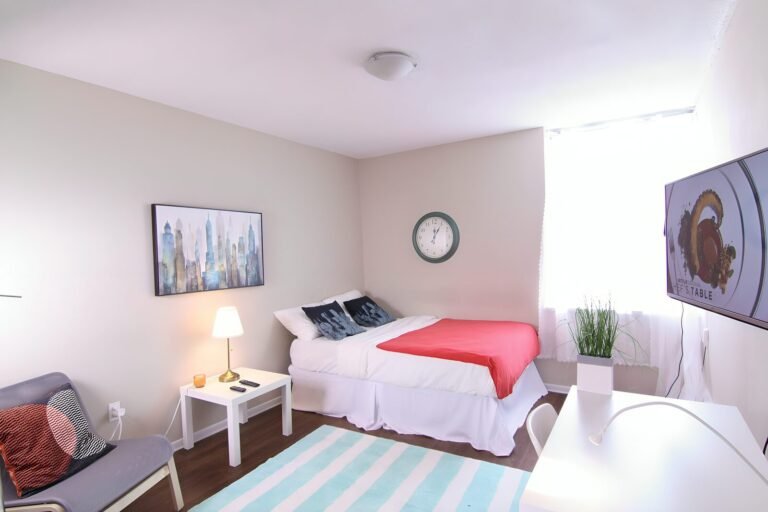

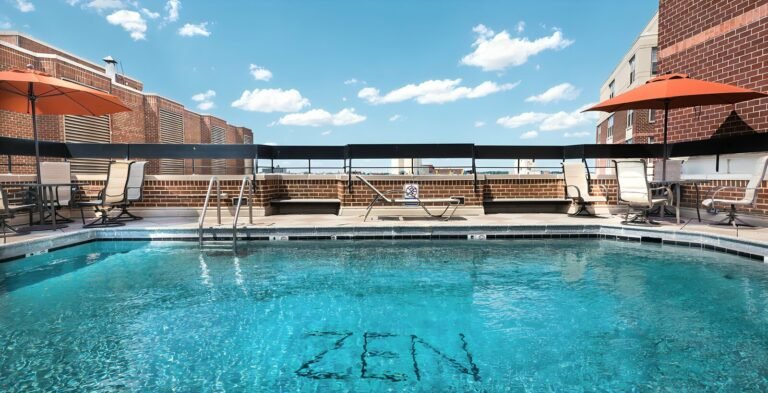


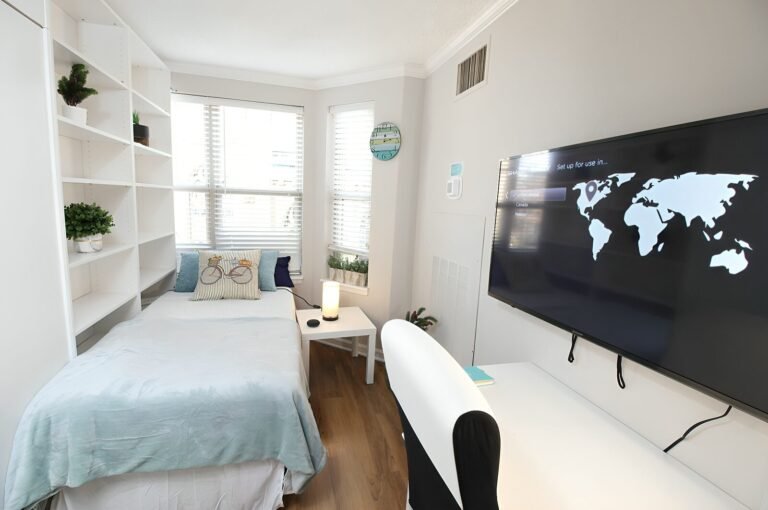

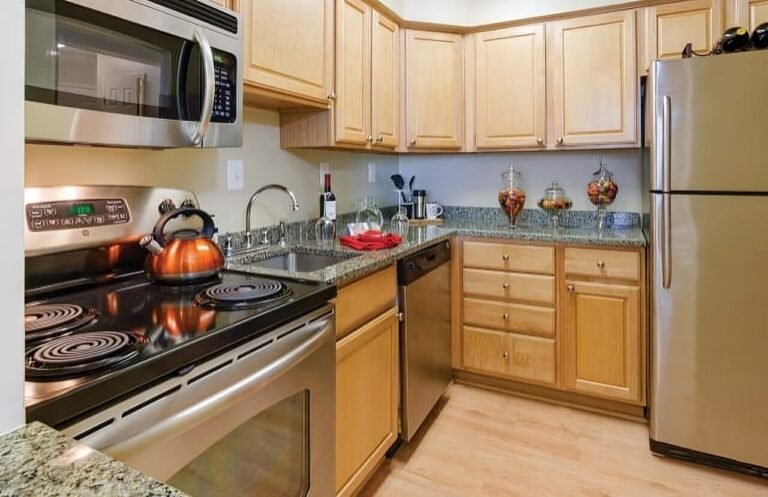

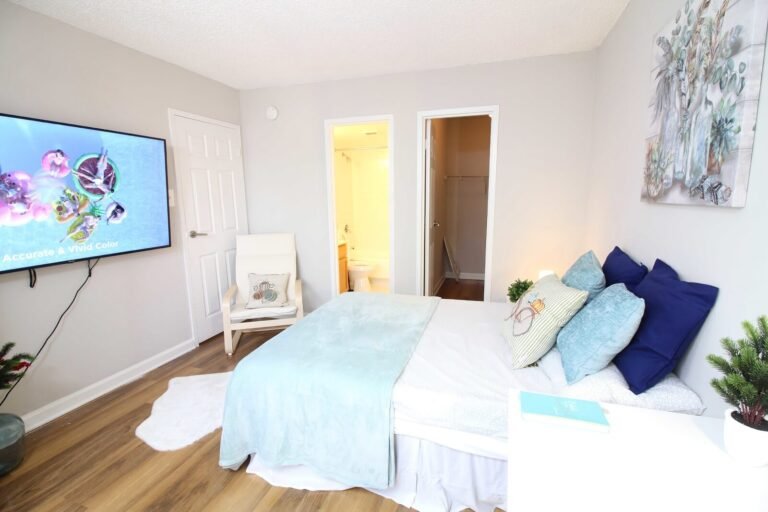

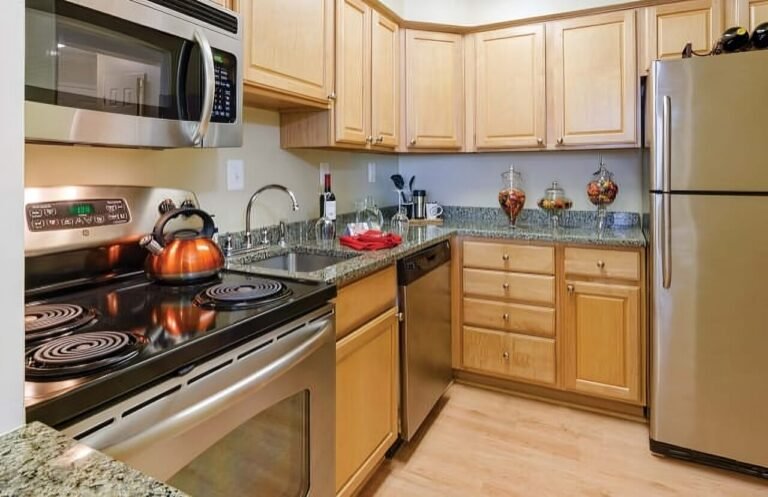

Ensuite room
Master Room & Ensuite Bath – Near Dupont Circle
Washington DC
- Beds: 4
- Baths: 2
+2 more at this address
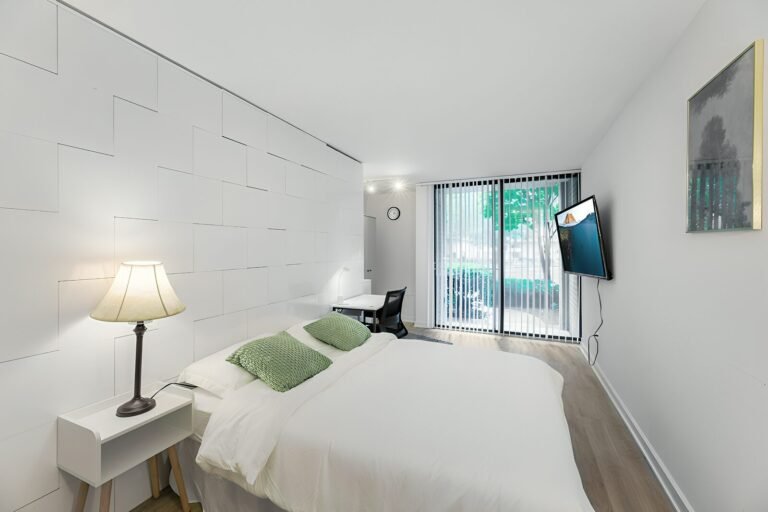

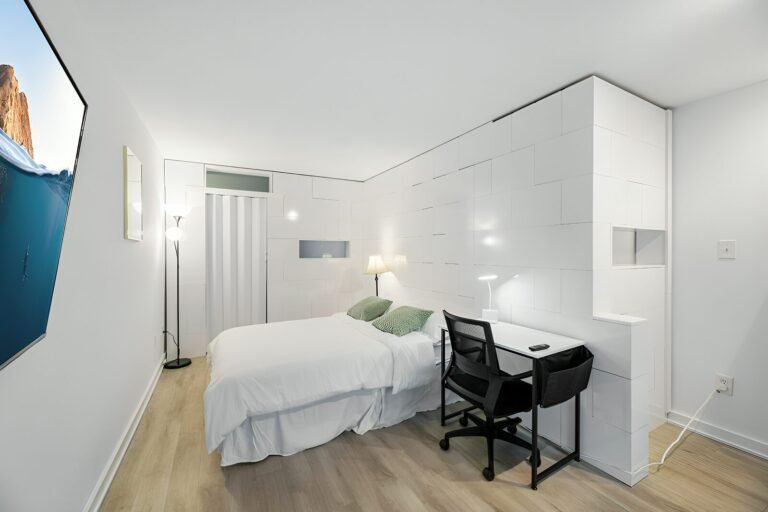
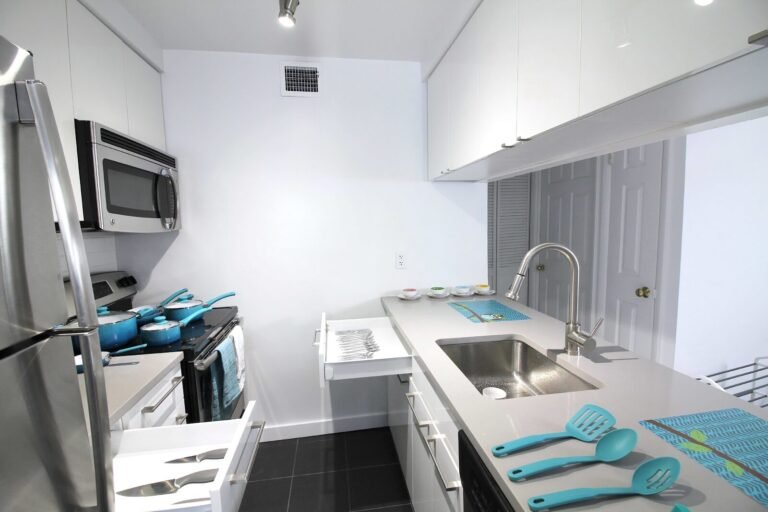
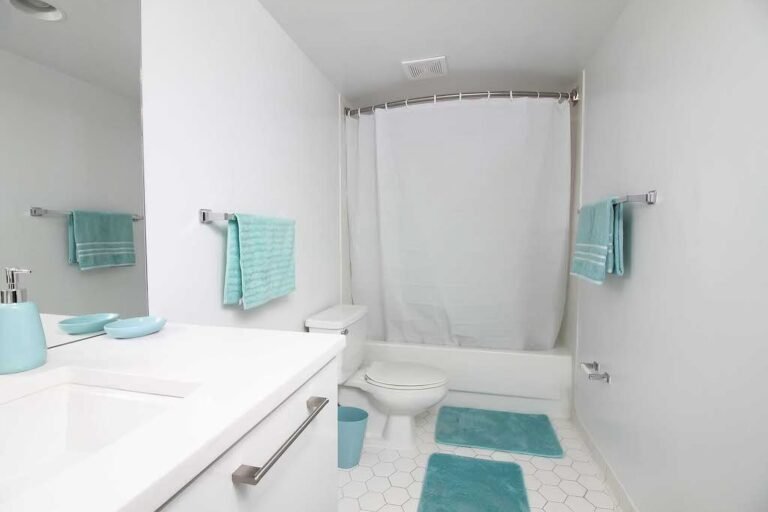


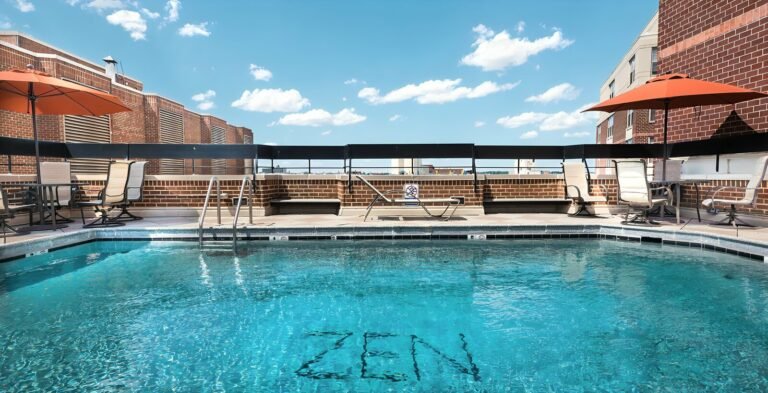


Ensuite room
Master Room & Ensuite Bath – Logan Circle
Washington DC
- Beds: 4
- Baths: 2
+3 more at this address


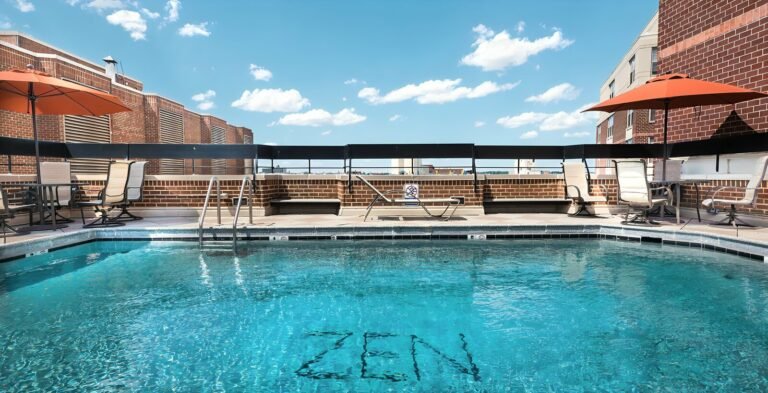


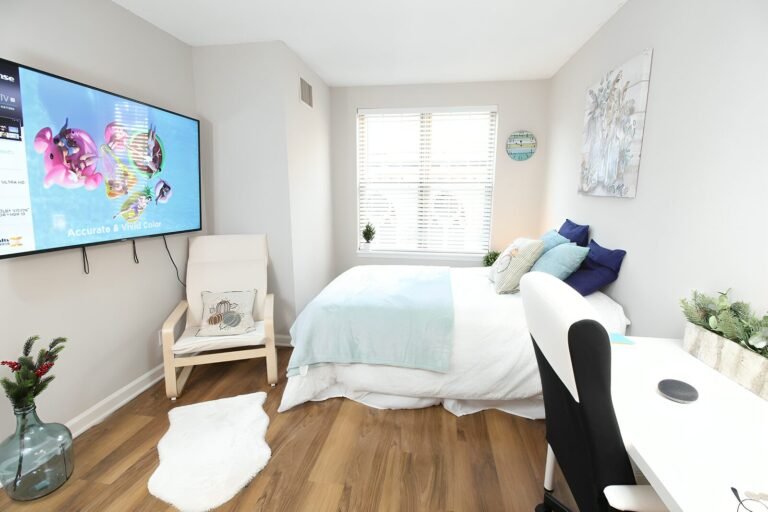
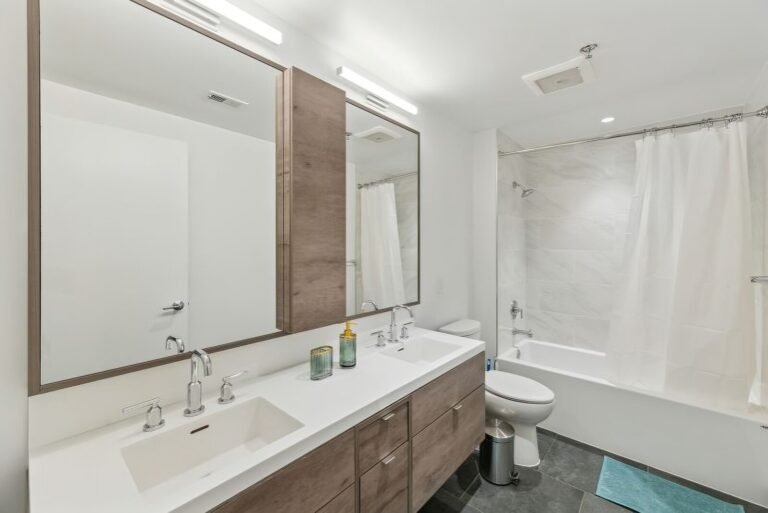
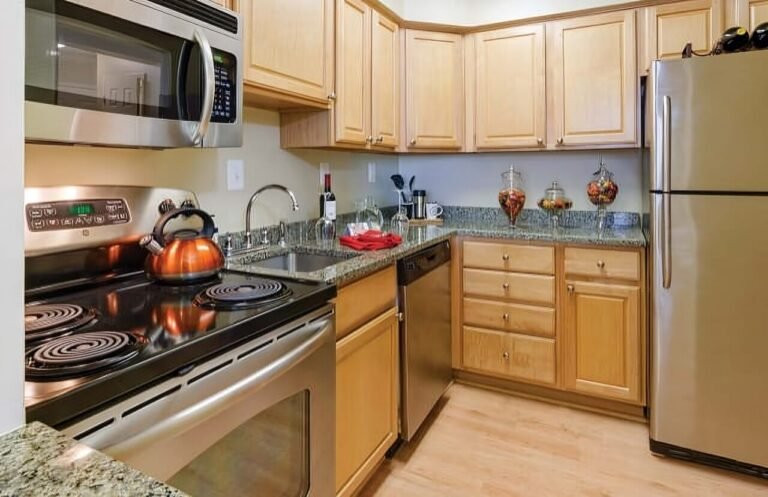

Private room
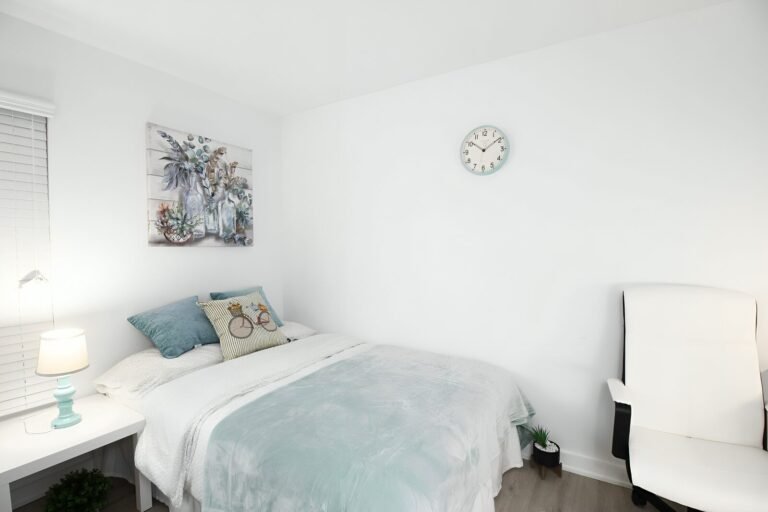
Deluxe Room – Near Dupont Circle
Washington DC
- Beds: 4
- Baths: 2
+2 more at this address
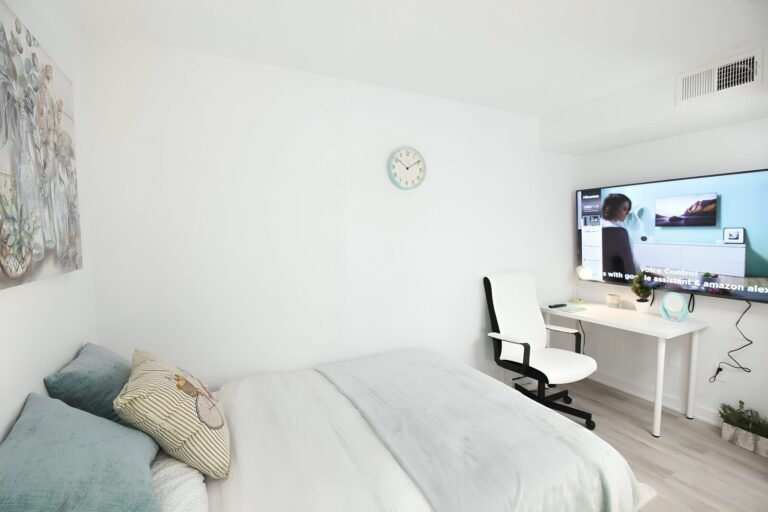
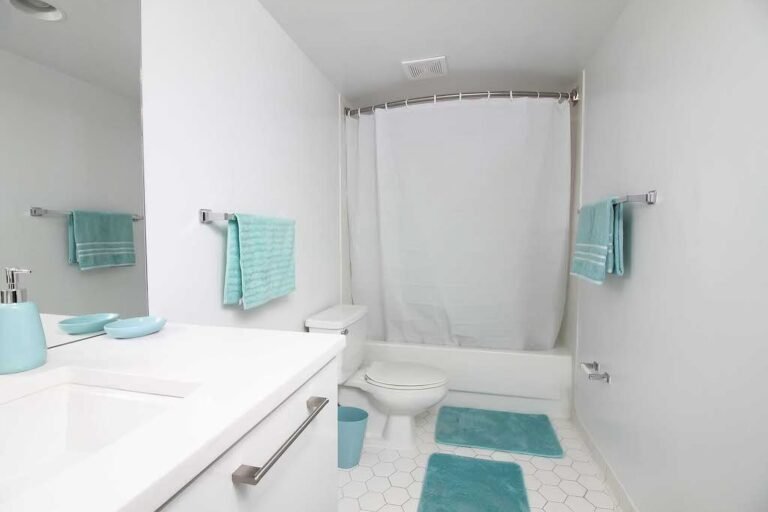

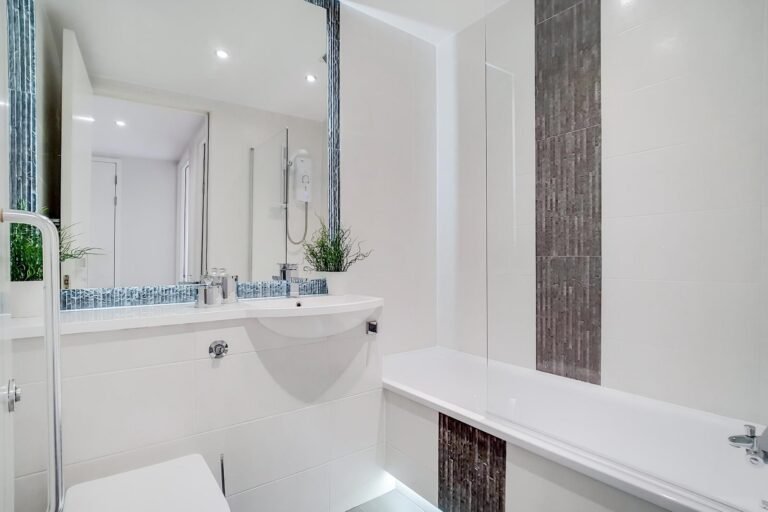
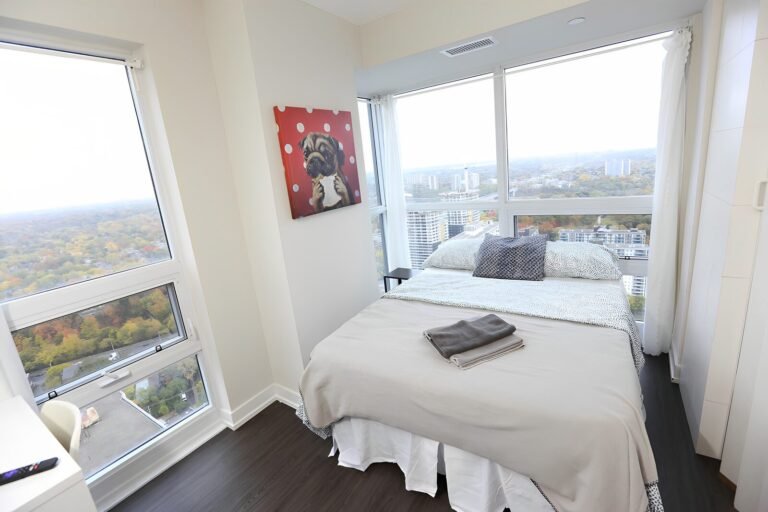




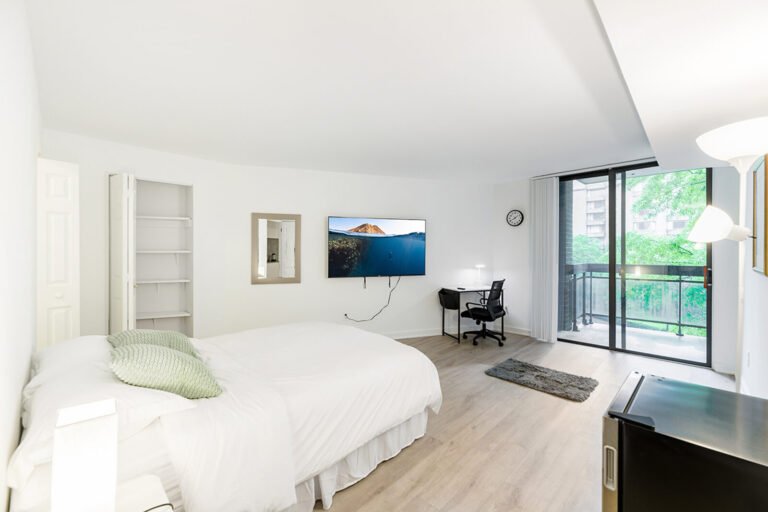
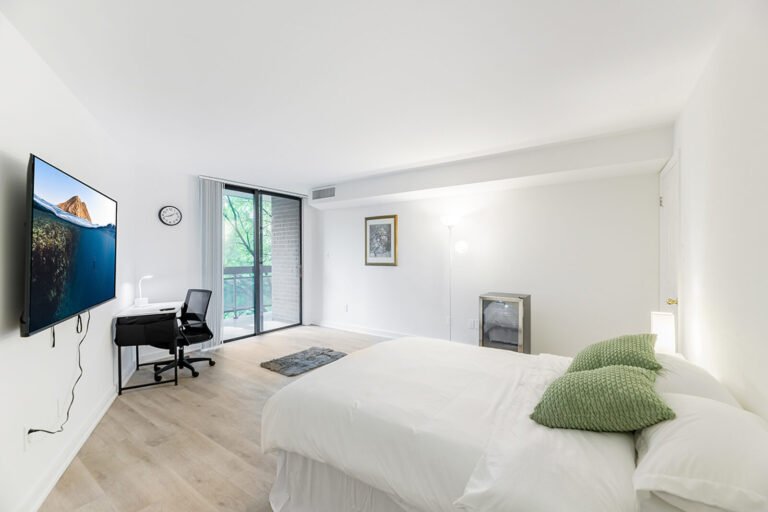
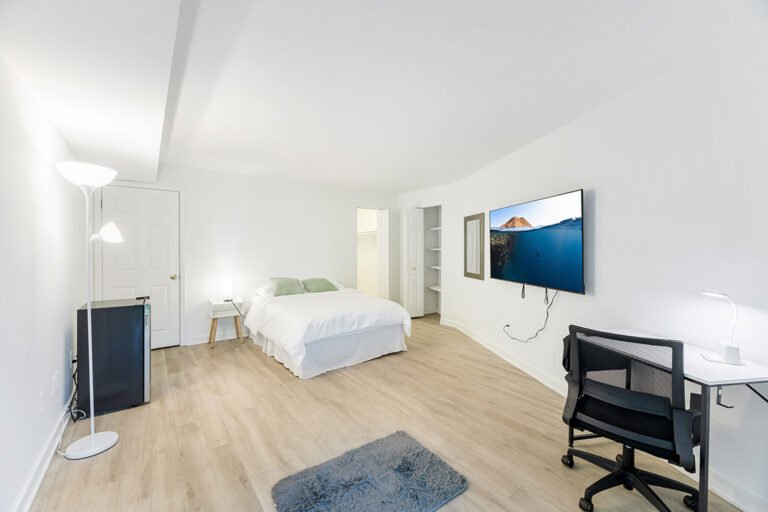

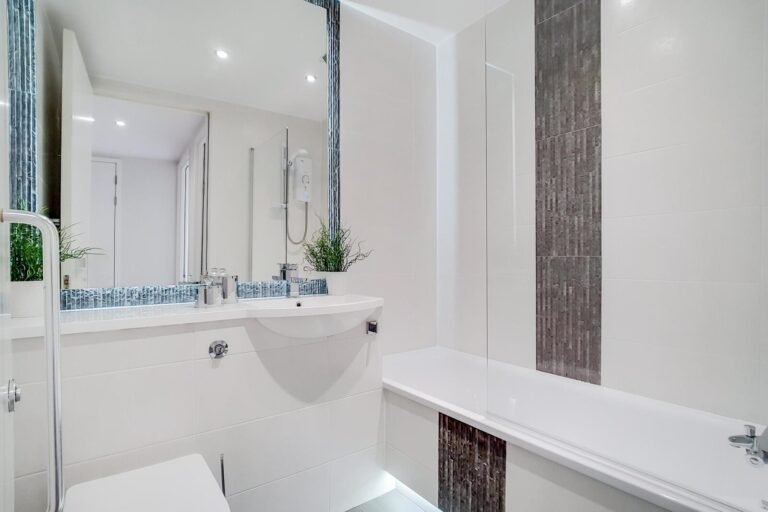
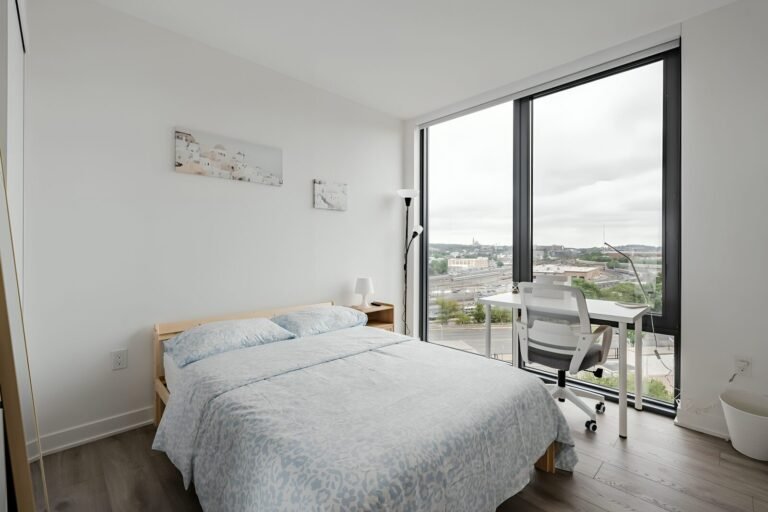
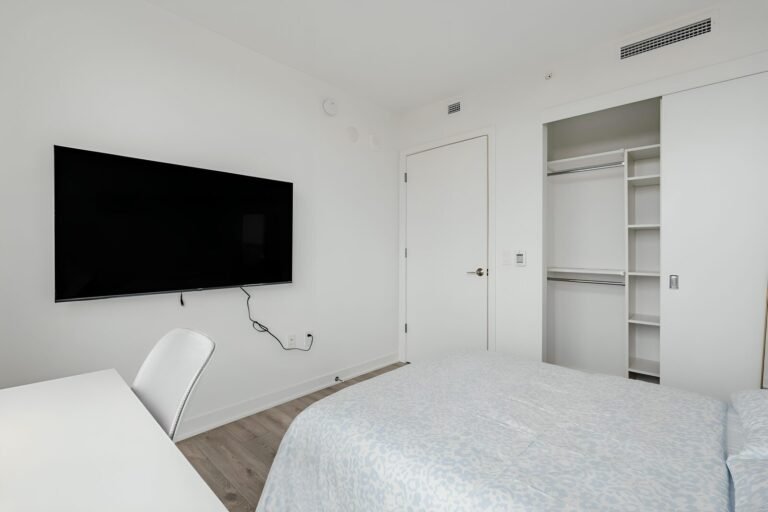

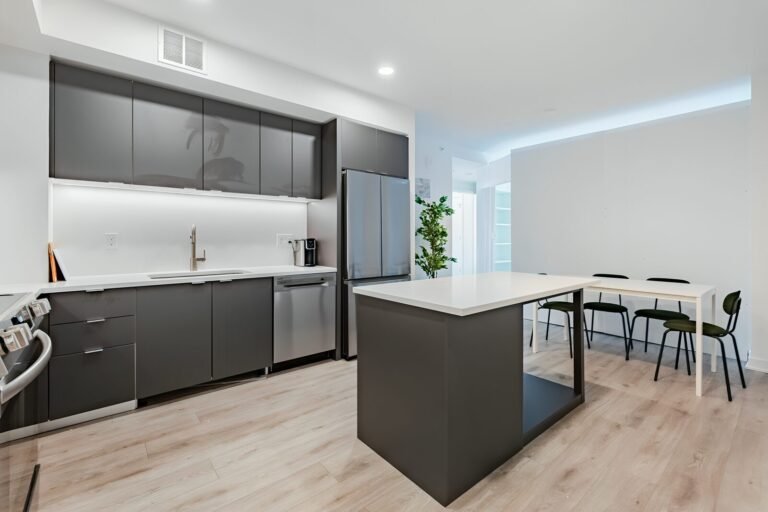
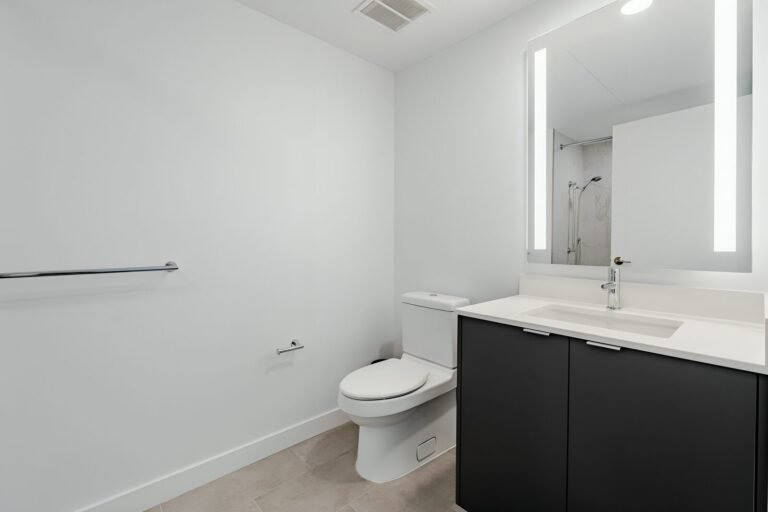
Rent by room type in Washington DC
| Room type | Rooms live now | From | Typical |
|---|---|---|---|
| Private room | 15 | $1,105/month | $1,408/month |
| Ensuite room | 4 | $1,733/month | $1,777/month |
11 rooms at or below $1,600/month right now.
Live listings on Rentser today. Rooms priced by the week are shown as a monthly equivalent (weekly × 52 ÷ 12). Updated every hour.
Shared Living in Washington DC: 2026 Community-Focused Guide
Looking for shared living in Washington DC? Whether you're seeking intentional community in America's federal capital, joining established co-living buildings like Common Living DC + Bondhouse, transitioning from solo studio to cost-sharing + policy-political community, or planning multi-year cohabitation with federal...
Why Choose Shared Living in Washington DC
DC's diverse + federal + diplomatic + policy culture makes the city America's premier policy-political shared living destination. Co-living building operators (Common Living DC, Bondhouse, Quarters DC, NESTpick) operate growing DC shared building stock. Federal government employs 380,000+ across executive branch + Congress + judicial + independent agencies creating Canada's most stable shared housing demand. DC's 175+ foreign embassies create distinct diplomatic community shared houses.
WMATA Metro 6-line system supports shared living mobility — housemates with diverse work schedules can manage Capitol Hill commutes (Red/Orange/Silver), Foggy Bottom federal commutes (Blue/Orange), K Street lobbying commutes (Red), and embassy district commutes (Red). DC's continuous year-round turnover supports multi-year shared lease commitments.
DC's professional ecosystem — federal Public Service, K Street lobbying, international affairs (State + USAID + World Bank + IMF + 175+ embassies), healthcare (NIH + Walter Reed + Georgetown Medical), education (Georgetown + GWU + Howard + American + Catholic) — supports working professionals choosing community + cost-sharing over isolated solo living.
Compared to Boston or NYC, DC offers concentrated policy + international affairs networking, federal employment stability + benefits, established co-living building stock, Office of the Tenant Advocate free legal counsel UNIQUE among US cities — at the cost of premium rent reflecting federal income tiers, Congressional intern competition (June-August), federal building height restrictions limiting housing supply, and DC city income tax.
Best Washington DC Neighborhoods for Shared Living
| Neighborhood | Per-person Rent (USD) | Best for | Walk Score |
|---|---|---|---|
| Dupont Circle | $1,400 | embassy row | 98/100 |
| Adams Morgan | $1,250 | international restaurants | 95/100 |
| Columbia Heights | $1,150 | diverse Latin heritage | 95/100 |
| Petworth | $1,050 | residential brownstones | 88/100 |
| H Street NE | $1,200 | trendy bars + restaurants | 88/100 |
| Shaw | $1,300 | U Street jazz heritage | 95/100 |
| Navy Yard | $1,450 | Nationals stadium area | 88/100 |
| Tenleytown | $1,200 | near American University | 88/100 |
Petworth ($1,000-$1,100)
Walk Score 88/100 • Transit Score 80/100. Northeast DC Green Line. Best for budget-conscious + Howard University + downtown firm + cultural diversity shared living.
Columbia Heights ($1,100-$1,200)
Walk Score 95/100 • Transit Score 90/100. North-central DC Green Line + DCUSA shopping. Heritage brownstones + newer mid-rise. Best for downtown finance + tech + Latino cultural community + walkable shared living.
Tenleytown ($1,150-$1,250)
Walk Score 88/100 • Transit Score 85/100. Northwest DC Red Line American University. Best for American University + Foggy Bottom + academic + residential quiet shared living.
H Street NE ($1,150-$1,250)
Walk Score 88/100 • Transit Score 85/100. Eastern DC streetcar + Atlas Performing Arts. Best for upper-year + Catholic University + arts + creative industry shared living.
Adams Morgan ($1,200-$1,300)
Walk Score 95/100 • Transit Score 88/100. Central DC 18th Street nightlife + international restaurants. Best for downtown finance + tech + GWU + nightlife + international community shared living.
Shaw ($1,250-$1,350)
Walk Score 95/100 • Transit Score 90/100. Historic Black DC Green Line + U Street jazz heritage. Best for downtown firms + historic Black DC + walkable + entertainment shared living.
Dupont Circle ($1,350-$1,450)
Walk Score 98/100 • Transit Score 92/100. Iconic DC Red Line + embassy row. Best for senior professionals + lobbyists + international affairs + LGBTQ+ + premium shared living.
Navy Yard ($1,400-$1,500)
Walk Score 88/100 • Transit Score 85/100. Southeast DC Green Line + Nationals Park. Best for federal Capitol Hill + policy graduate students + young professional + government employer shared living.
Types of Shared Living in Washington DC
House types
Traditional House Share
DC rowhouses + walkup apartments + pre-war buildings converted to private bedrooms + shared kitchen + shared living room. Typical DC: 3-5 housemates, 12-month leases, $1,000-$1,500 per room. Pattern dominant in Petworth + Columbia Heights + Shaw + Adams Morgan.
Federal Public Service Employee Share
DC's distinctive pattern — federal employees create distinct shared houses focused on federal work community + stable career + transit subsidy + extended healthcare. Often 2-4 federal employees, 12-24 month commitments. $1,100-$1,400 per room in Petworth + Columbia Heights + Tenleytown + Brookland.
Diplomatic Community Share
175+ foreign embassies + missions create distinct diplomatic community shared houses. Often international + bilingual + cultural exchange. $1,300-$1,500 per room in Dupont Circle + Adams Morgan + Tenleytown.
Congressional + Lobbying Share
Distinctive DC pattern — Congressional staff + K Street lobbyists + policy professionals create distinct shared houses focused on policy-political community. $1,200-$1,500 per room across all neighborhoods, especially Capitol Hill + Dupont + Logan Circle.
International Affairs Professional Share
State Department + USAID + World Bank + IMF + think tank workers create distinct shared houses focused on international affairs + policy + foreign language community. $1,200-$1,500 per room in Dupont + Adams Morgan + Foggy Bottom-adjacent.
Academic + Graduate Community Share
Georgetown + GWU + Howard + American + Catholic graduate students + faculty + medical staff create distinct academic shared houses. $1,100-$1,400 per room neighborhood-dependent.
Co-Housing Community
DC Cooperative Housing Council supports housing cooperatives. 3+ year commitments + governance participation. $900-$1,300 per share.
Average Costs + Cost-Sharing Benefits
| Type | Range | Median | Notes |
|---|---|---|---|
| Room in shared house | $1,050–$1,450 | $1,250 | Utilities split, often incl. |
| Studio (solo alt.) | $1,785–$2,415 | $2,100 | Solo, no cost-share |
| 1-bedroom (couple) | $2,082–$2,817 | $2,450 | Utilities extra |
Cost-sharing benefits vs solo DC living: - Utility split $30-$70/person vs $100-$200 solo - Internet split $15-$25/person vs $60-$100 solo - DC parking permit + parking sharing - Federal employee transit subsidy + healthcare often shareable - Cooking + grocery sharing $100-$200/month per person - DC city income tax shared advantage
Sustainability advantage: DC shared living reduces per-capita carbon footprint 40-60%.
Community advantage: Federal employee shared community + diplomatic international community + Congressional + lobbying policy community + international affairs networking create unique DC shared living community unmatched by solo studios.
Building Community in Washington DC Shared Living
House Agreements: cleaning + chore rotation, common area rules, guest policies, shared expense calculations, federal employee benefit sharing, Congressional intern season coordination, parking permit sharing.
House Meetings: monthly, often featuring policy discussions.
Federal Public Service Community: Federal employee shared houses develop work + career traditions — Public Service Recognition Week, federal holidays + national service celebrations.
Diplomatic + International Affairs Programming: Diplomatic shared houses celebrate international holidays + national days + bilateral relations + cultural exchange. International Affairs Forum-style discussions.
Congressional + Policy Programming: Policy professional shared houses host briefings + analysis discussions + Capitol Hill insider conversations.
Cultural Programming: African American + Latino + Asian-American + Caribbean cultural celebrations.
Conflict Resolution: OFFICE OF THE TENANT ADVOCATE (UNIQUE — free legal counsel for tenant-landlord disputes among US cities) + DC Tenant Bill of Rights + DC Housing Justice Coalition.
Sustainability Practices: Sustainability-focused shared houses emphasize: shared composting, community gardens, bike maintenance, transit advocacy.
Federal Employee Stability Support: Federal shared houses support transit subsidy + benefits + parking permit sharing.
Community Resources: Office of the Tenant Advocate, DC Tenant Bill of Rights, DC Cooperative Housing Council.
How to Find Shared Living in Washington DC
Step 1: Define your community + lifestyle priorities. Federal Public Service community? Diplomatic + international affairs community? Congressional + lobbying community? Bilingual + multicultural? Healthcare professional + shift coordination?
Filter by price and room type.
Step 3: Prepare application + community interview. Quality DC shared houses interview beyond credit check — community values, federal/diplomatic/policy work alignment, cultural sensitivity, Congressional intern season coordination commitment.
Step 4: Verify DC-specific lease terms + community structure. Confirm rent stabilization status (significant — pre-1976 + 5+ units capped). Confirm DC Tenant Bill of Rights compliance. Verify parking permit availability + Office of the Tenant Advocate (OTA) protections.
All Washington DC room rental guides
Compare every Washington DC rental type — student, working-professional, shared, furnished, studio, and budget options.
Washington DCStudent HousingWashington DCRent a RoomWashington DCFurnished Rooms on RentWashington DCStudio on RentWashington DCFind a RoomWashington DCStudent AccommodationWashington DCStudent RentalsWashington DCStudent LivingWashington DCRooms on RentWashington DCShared Rooms on RentWashington DCFind a Room on RentWashington DCStudio Apartment
About this guide: Updated quarterly using DC Office of the Tenant Advocate + USD/month · Zillow Rent Index Q1 2026 + Apartm.
By the Rentser Editorial Team · Last updated June 2026 · For information only; consult a qualified attorney for legal advice.
Live · Washington DC
Rent a Room guide
Year-round availability, employer-hub commutes, and flexible leases for relocating professionals in Washington DC.
Quick links
- Renting in Washington DC: market guide
- People looking for a room in Washington DC
- Movers, cleaners and other services in Washington DC
More in Washington DC: Rooms for Rent in Washington DC · Student Housing in Washington DC · Studio Apartments in Washington DC · Find a Roommate in Washington DC · Coliving in Washington DC
Rooms for rent in other cities: Austin · Boston · New York
Frequently asked questions
Why is DC rent so high for a non-NYC city?
DC's premium reflects federal government + lobbying salaries pushing the upper tier, restricted housing supply (federal building height limit caps construction), 30,000 annual Congressional interns flooding summer demand, and 7 universities sharing the urban core. Median shared-room rents ($1,050-1,500) sit between Boston and NYC tiers.
Should I worry about DC's congressional intern season as a roommate?
Yes — plan around it. June-August brings ~30,000 interns hunting short-term roommate situations. If you're starting a 12-month lease in August/September, expect to compete with these short-term seekers. Off-cycle moves (December, May 1, July 1) face less competition. Many DC apartments specifically market summer-only sublets to interns at a premium.
Are broker fees standard in DC?
No — unlike Boston or NYC, most DC rentals do not charge tenant broker fees. Landlords cover realtor commissions when applicable. If a listing requests a 'finder's fee' or 'commission' from you, verify the building's standard practice — it's not the DC norm.
How does DC rent control work for new roommates?
DC's Rent Stabilization Program covers buildings built before 1976 with 5+ units — these have capped annual rent increases tied to CPI + small allowance. Newer buildings (post-1976) and small multi-family (<5 units) are NOT rent-controlled. As a new roommate joining an existing rent-stabilized lease, you may benefit from below-market rates locked in for sitting tenants.
Which DC neighborhoods are best for shared rooms under $1,200/month?
Petworth ($1,050), Columbia Heights ($1,150), H Street NE ($1,200), and Tenleytown ($1,200) are the consistent value tier. Green Line corridor (Columbia Heights → Petworth → Brookland) offers transit-accessible affordability. Many feature row houses with 3-4 bedroom shared layouts popular with young professionals.
How is DC different from Boston for student roommate search?
DC has 7 major universities clustered in the urban core (Georgetown, GWU, Howard, American, Catholic, Gallaudet, UDC) versus Boston's 50+ scattered across metro. DC student demand is more concentrated by university (Tenleytown for American, Foggy Bottom for GWU). DC also has international affairs + policy student segments distinct from Boston's biotech + healthcare student mix. DC has NO Boston-style broker fee burden.
How much does shared living cost per person in Washington DC?
Per Zillow Rent Index Q1 2026 + Apartments.com DC market trends, a room in a Washington DC shared house runs $1,050–$1,450 USD/month, median $1,250 — roughly 40-55% less than a $2,100 studio once you split utilities, internet, and shared supplies across housemates.
How do house chores and shared expenses work in Washington DC shared living?
Most established Washington DC community houses run a written house agreement: a chore rotation (cleaning, trash, common-area upkeep), a shared-expense system (split utilities + internet + household supplies, often via a shared app), and a regular house meeting to resolve issues. Ask about these norms before you move in — house culture fit matters more than the room itself.