
Rooms for Rent in Toronto
Rent starts from CA$953/month
For Rent
CA$1,375/month
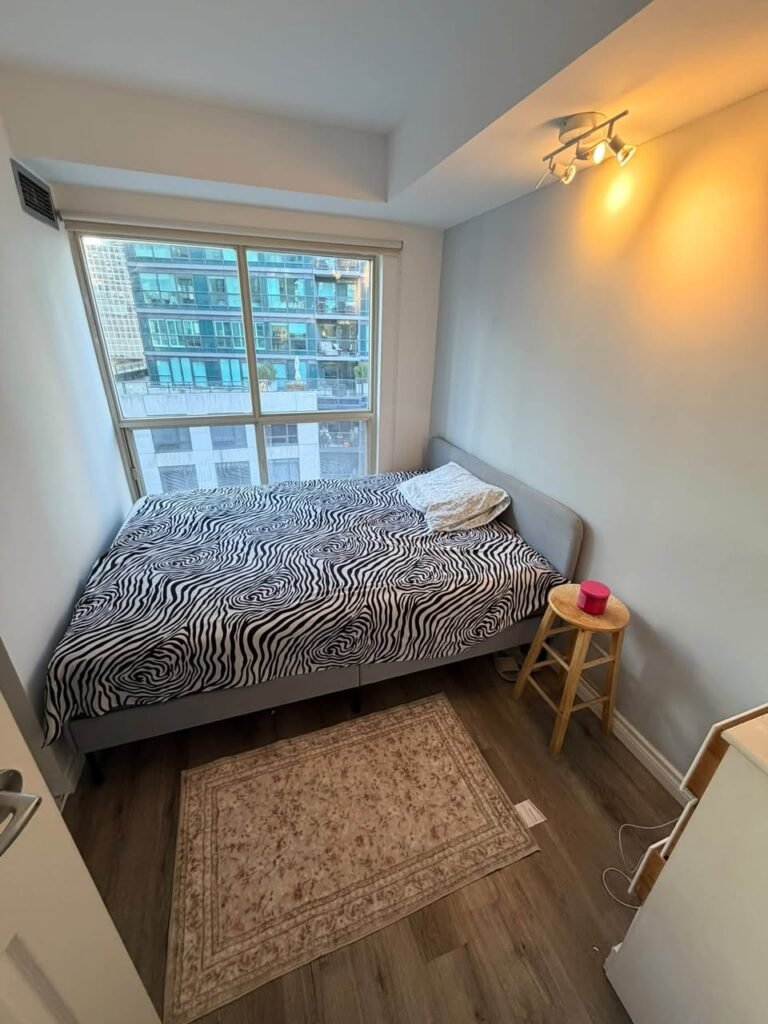
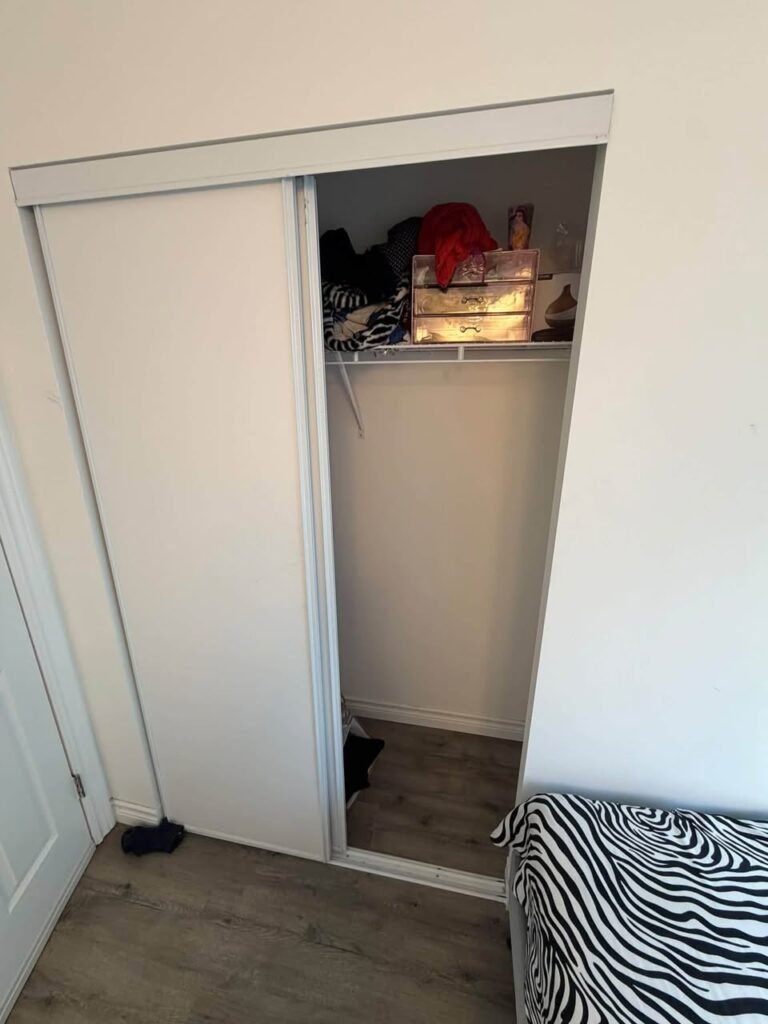
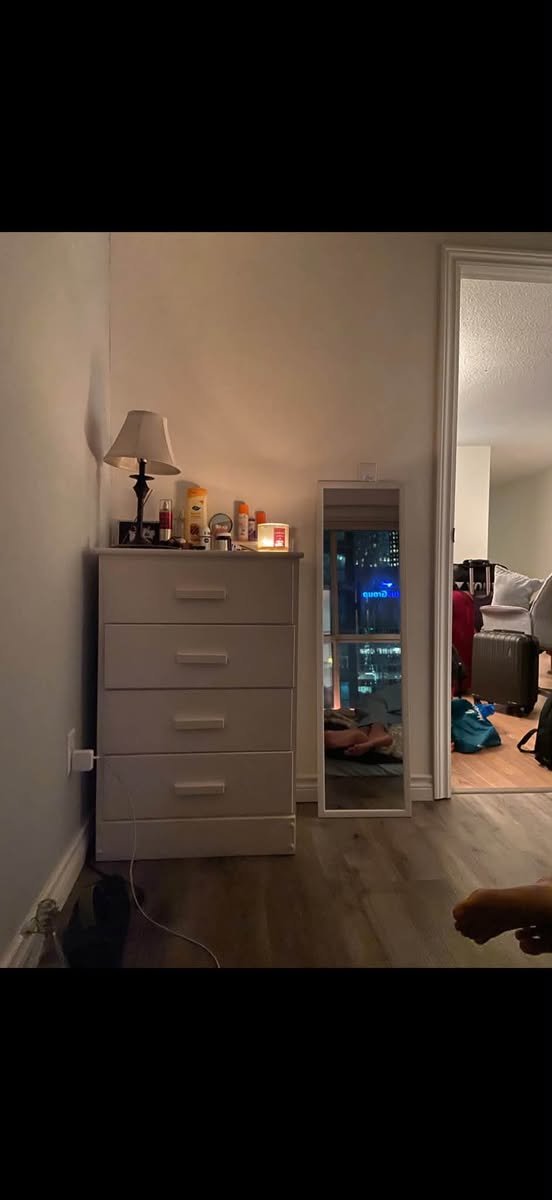
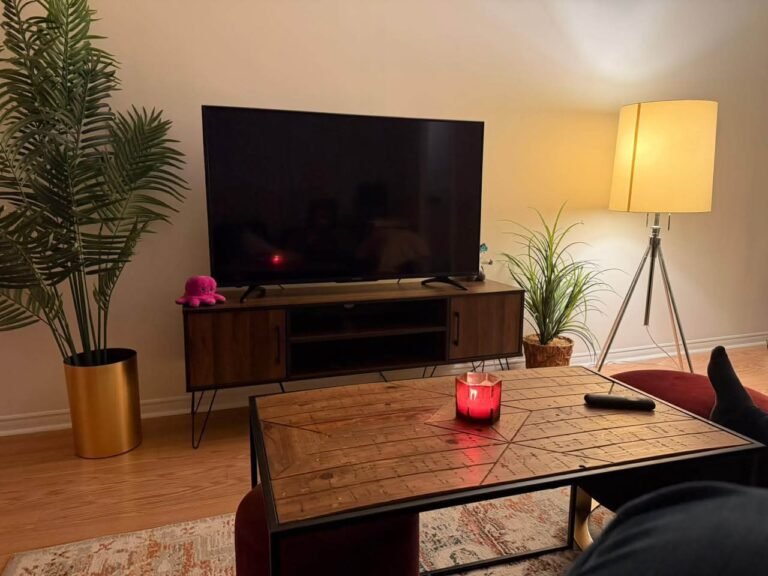

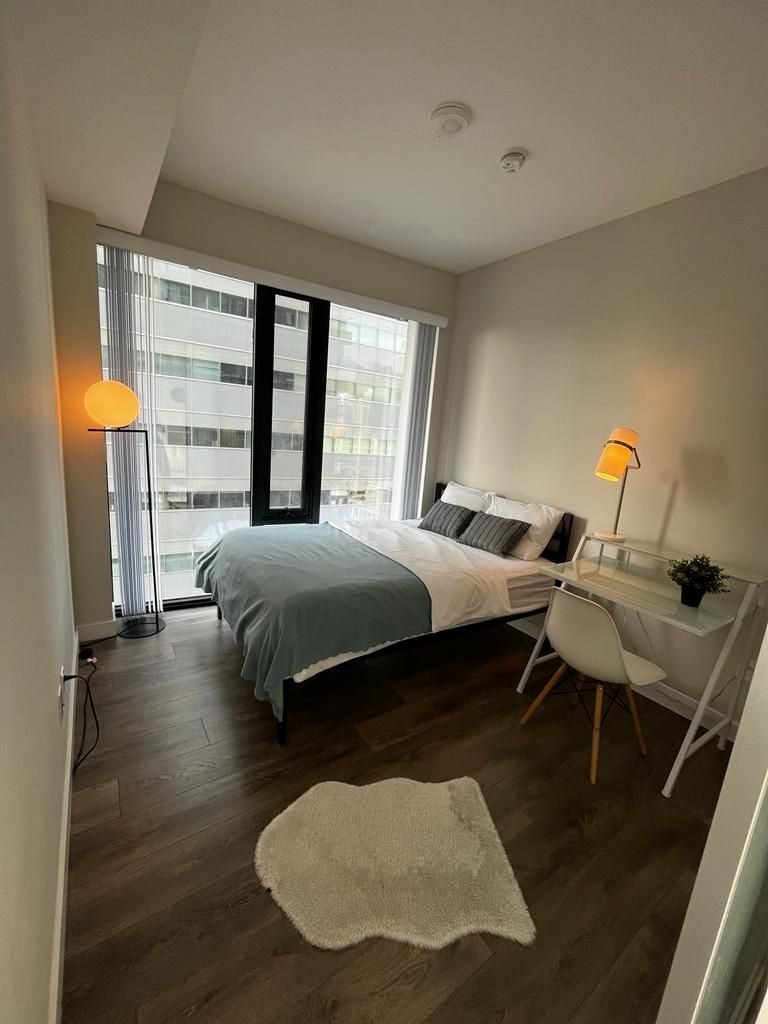
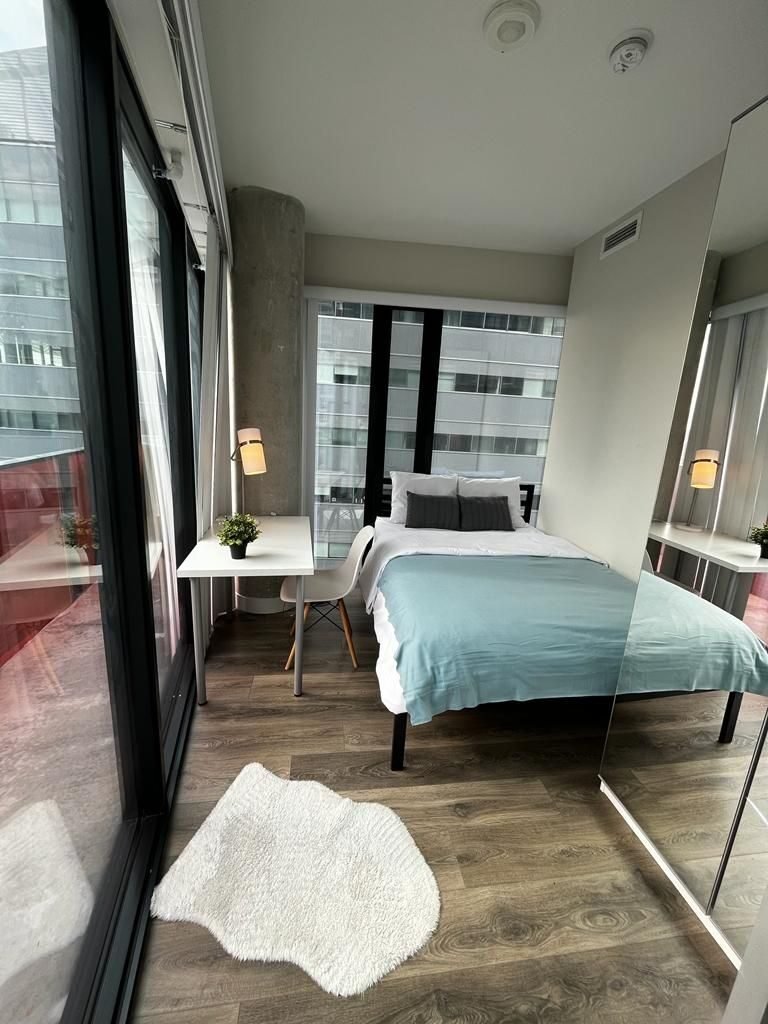
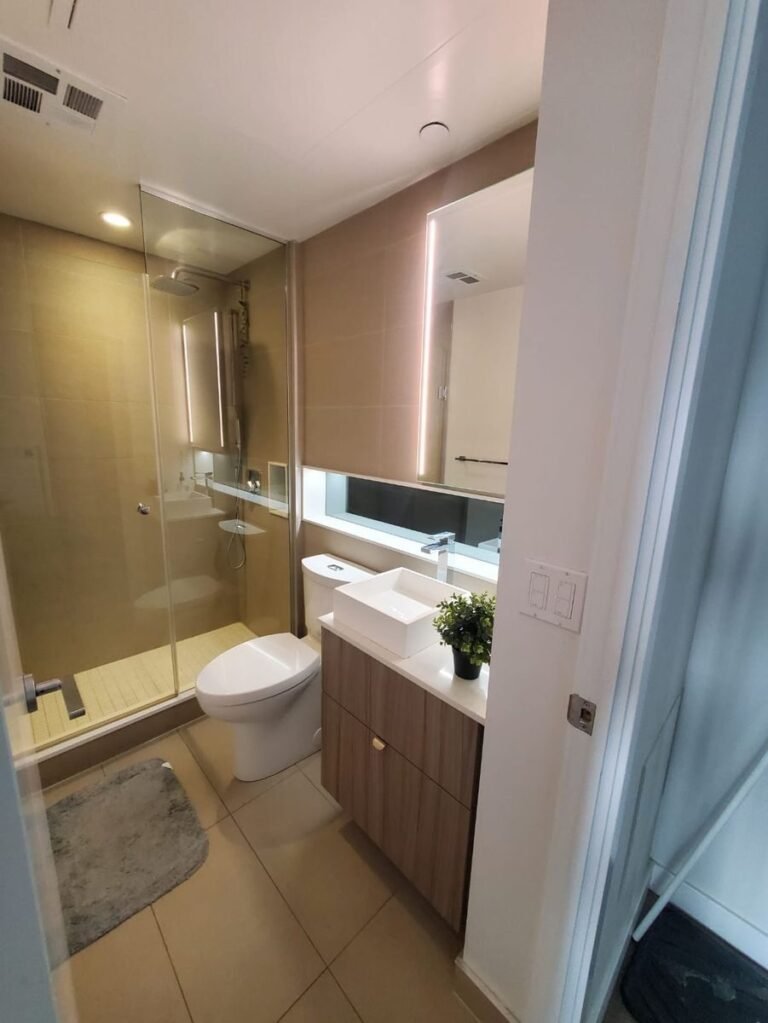

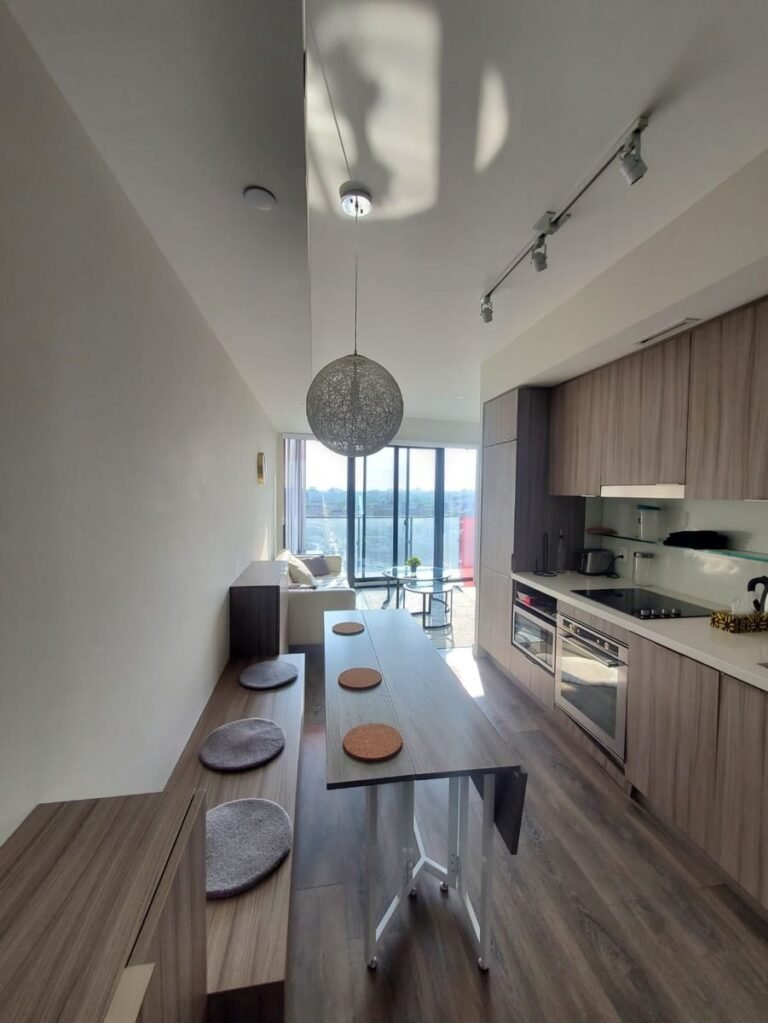
Private room
Deluxe Room – The Queen, 215 Queen St W
Toronto
- Beds: 3
- Baths: 2
+1 more at this address
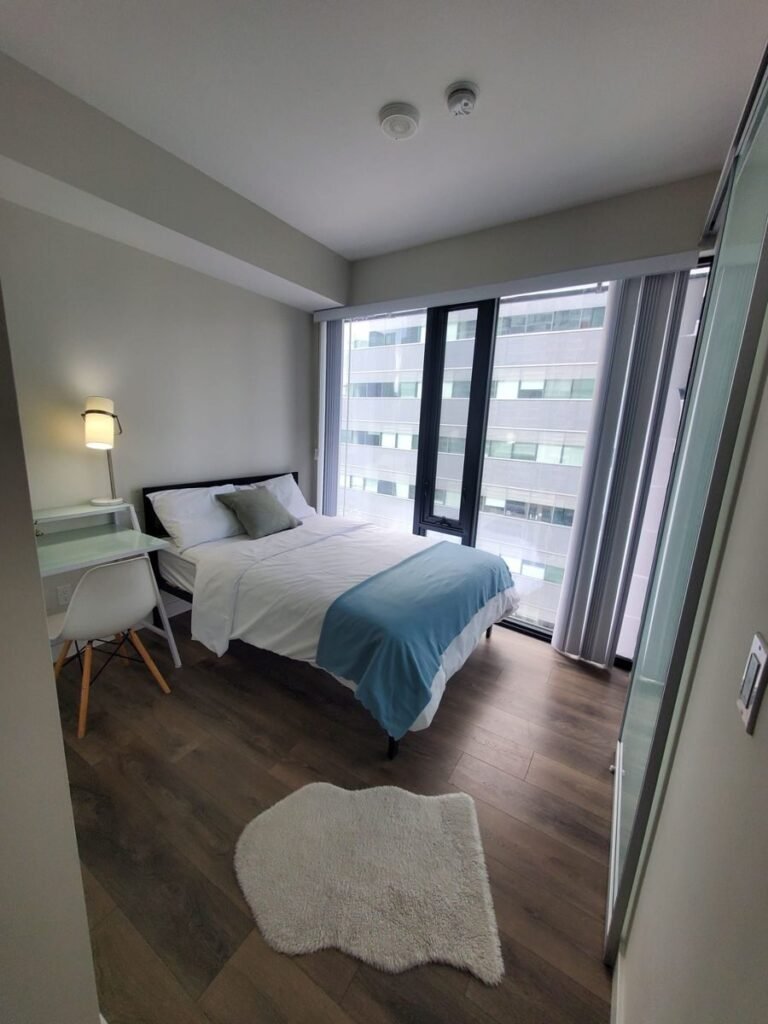
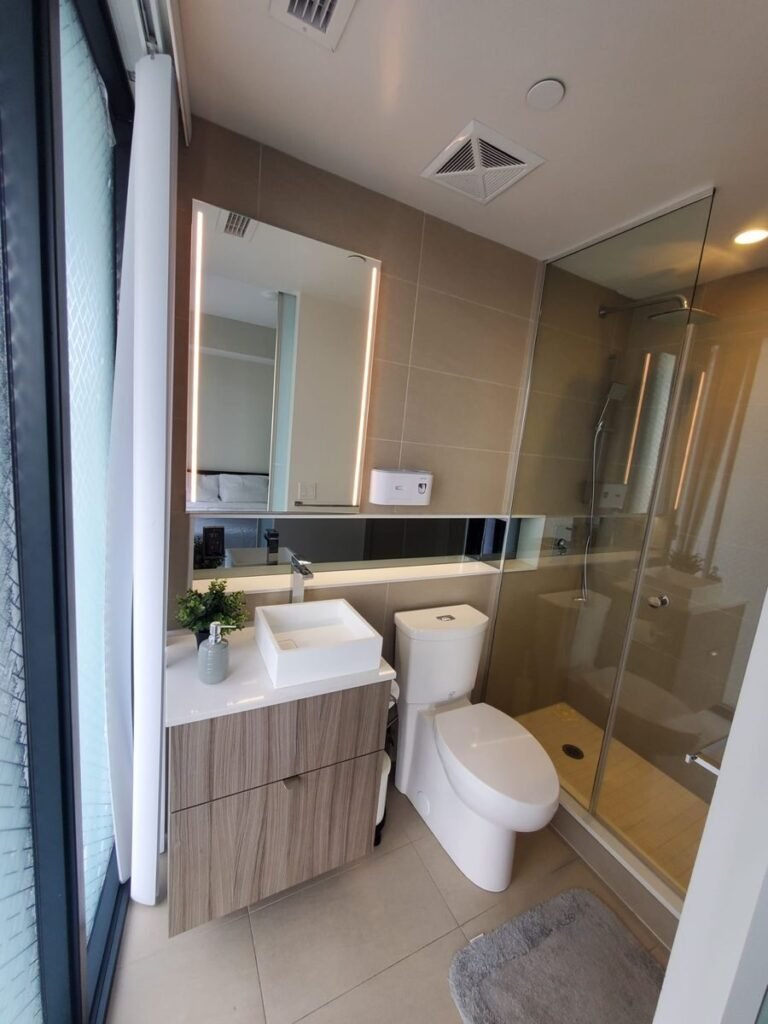
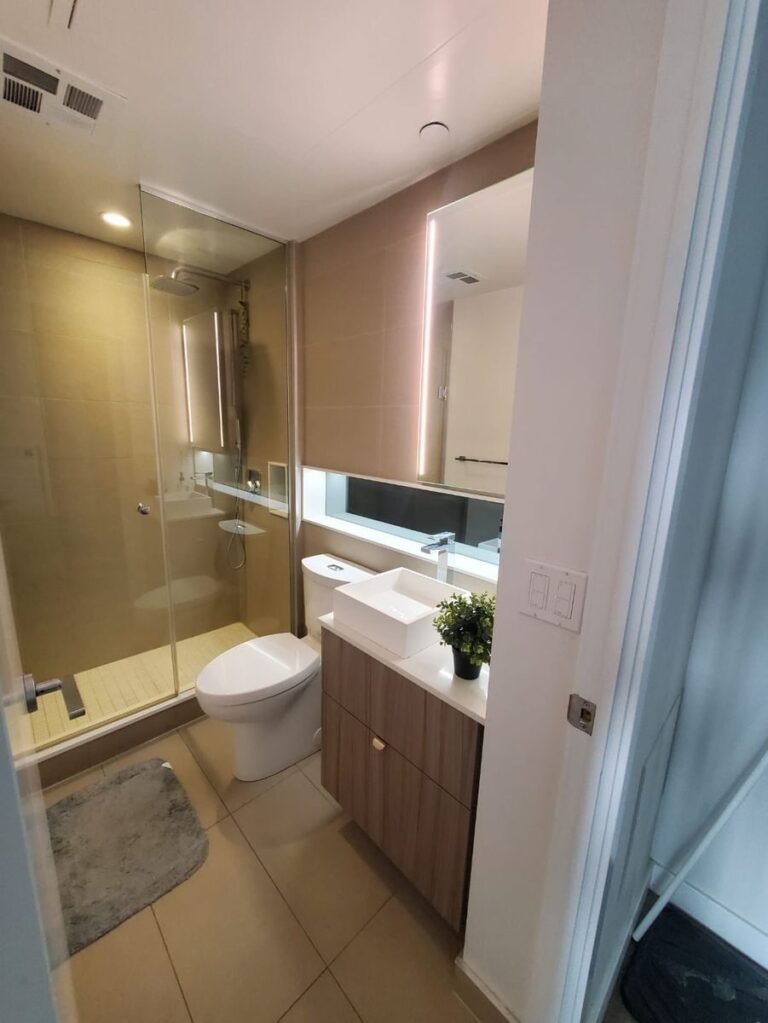
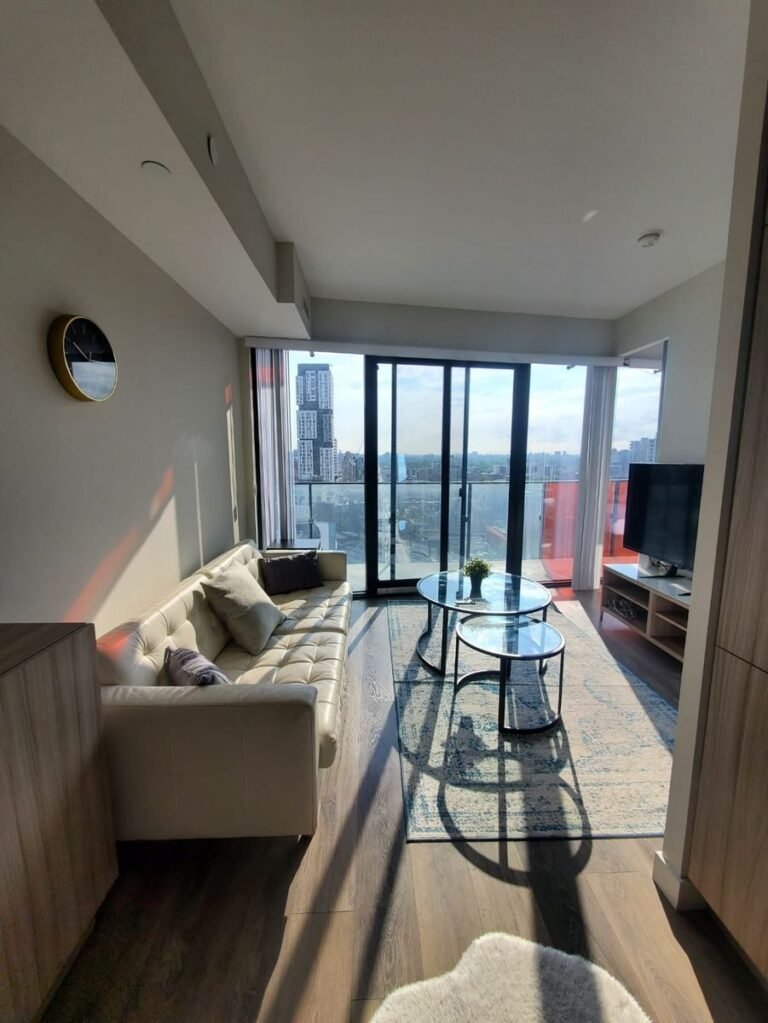

Ensuite room
Master Room & Ensuite Bath – The Queen, 215 Queen St W
Toronto
- Beds: 3
- Baths: 2
+1 more at this address
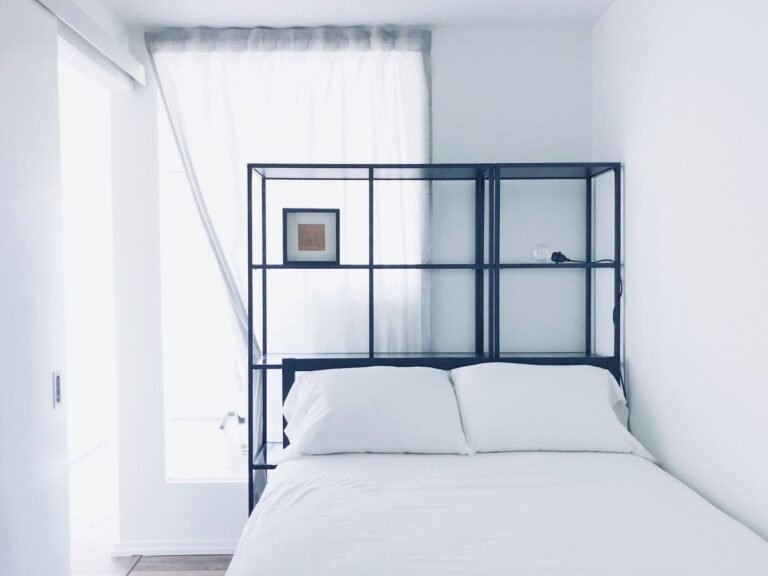
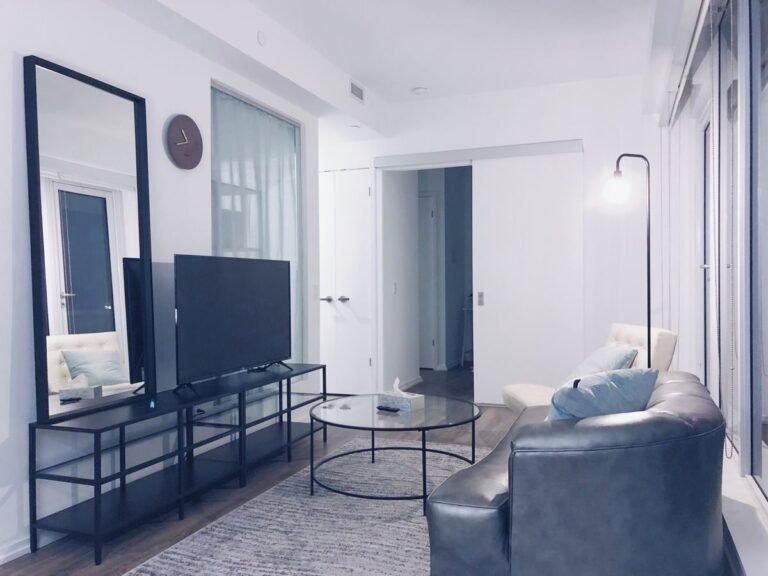

Private room
Private Basic – The Yonge, 197 Yonge St
Toronto
- Beds: 3
- Baths: 2
+2 more at this address
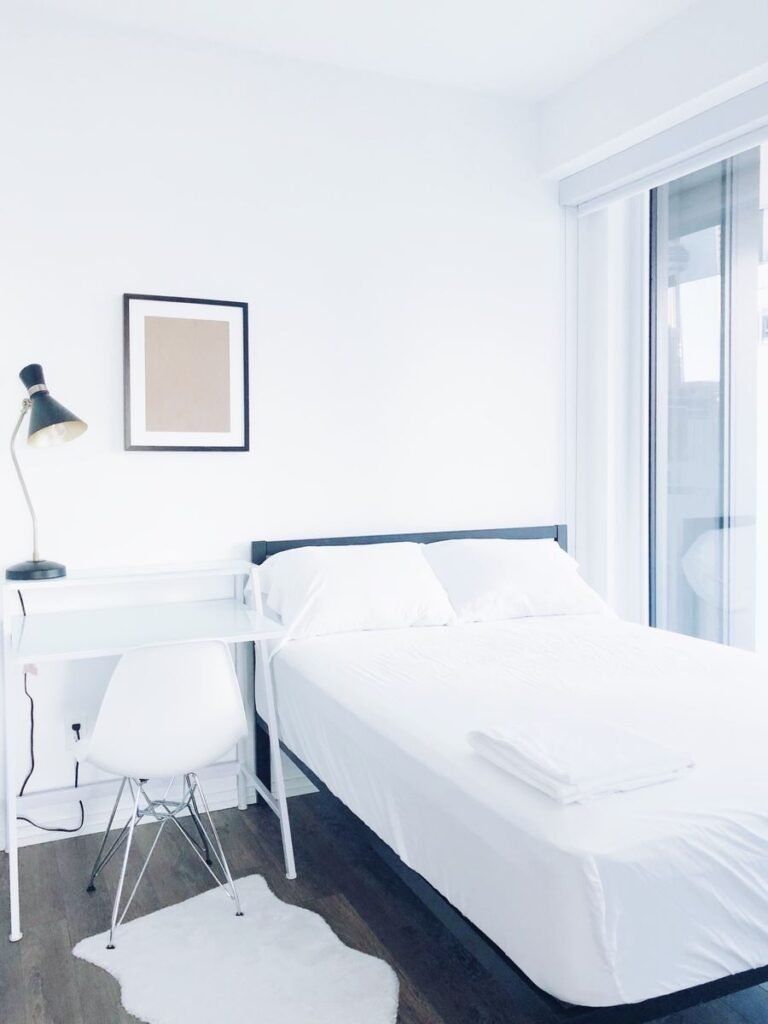
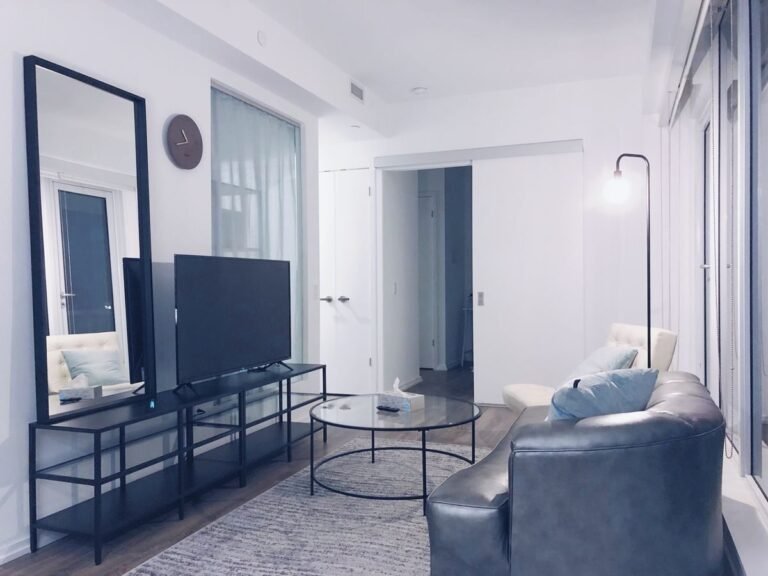
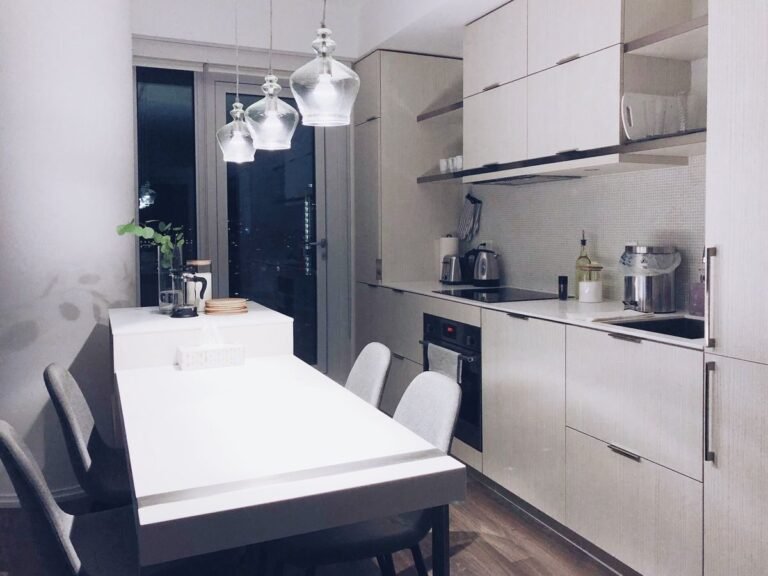
Private room
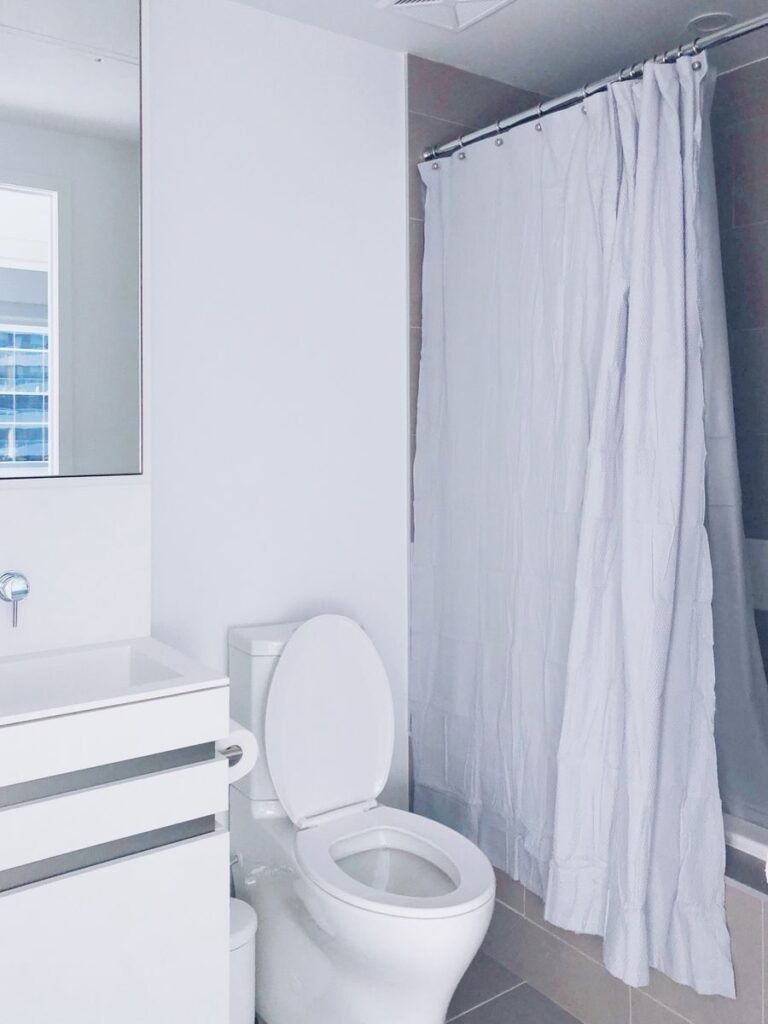
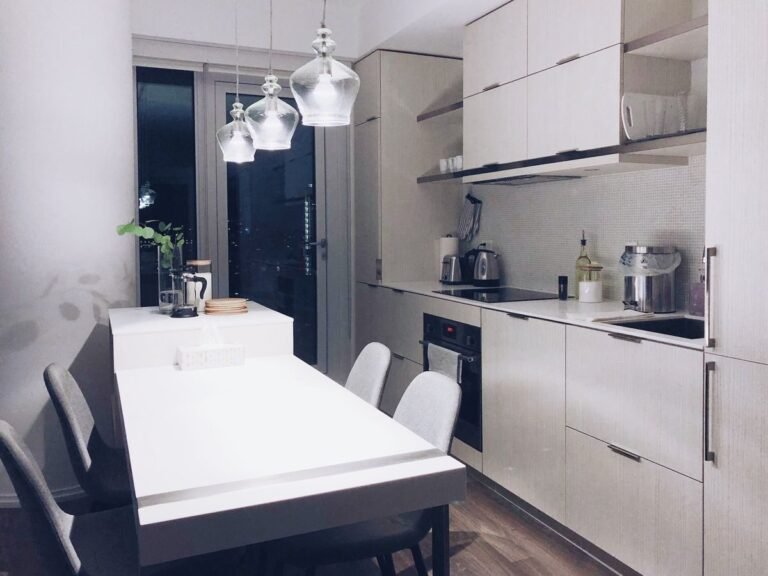
Deluxe Room (Male Only) – The Yonge, 197 Yonge St
Toronto
- Beds: 3
- Baths: 2
+2 more at this address
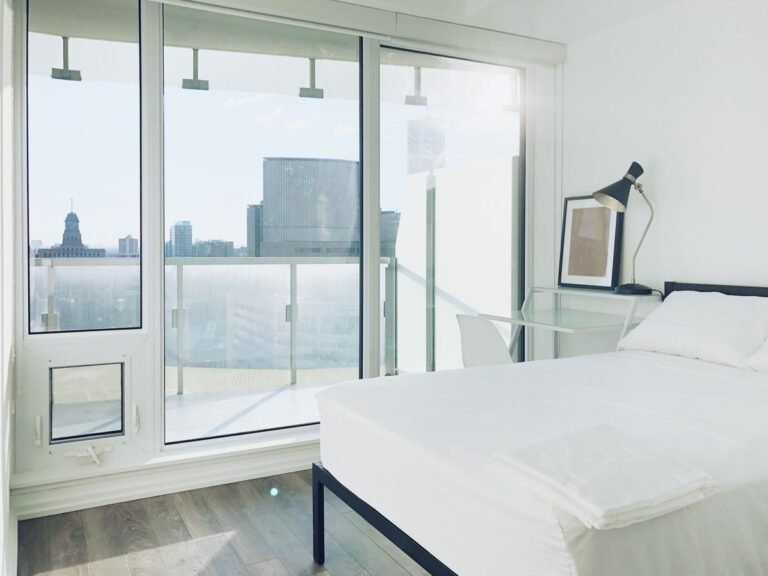
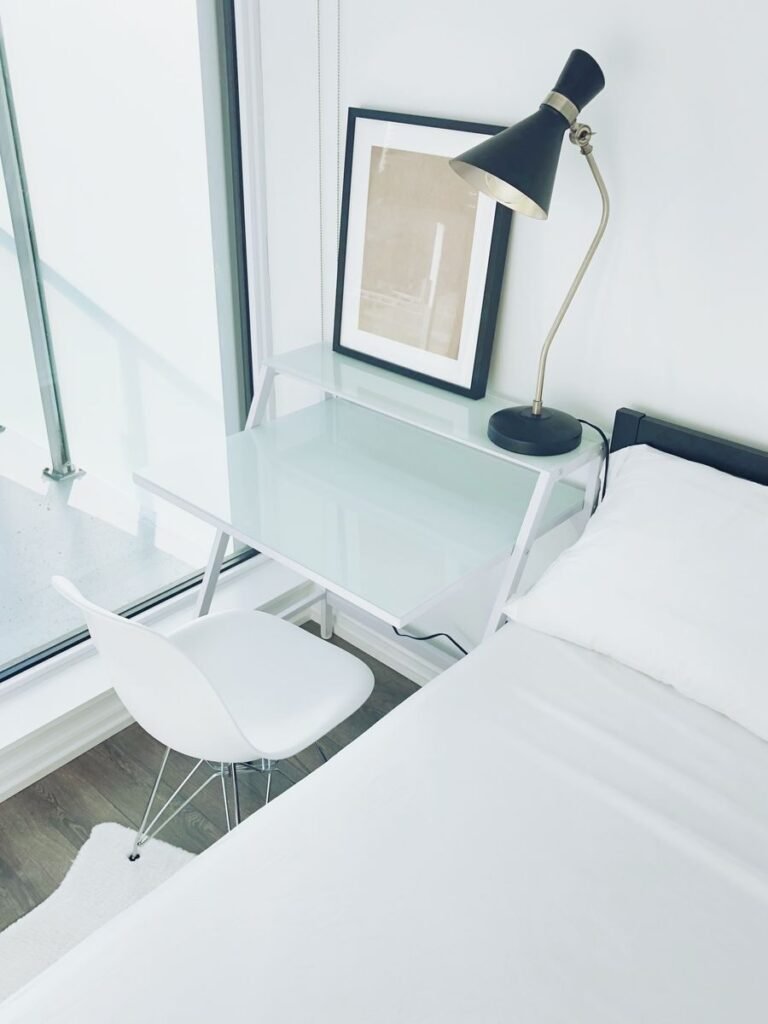

Ensuite room
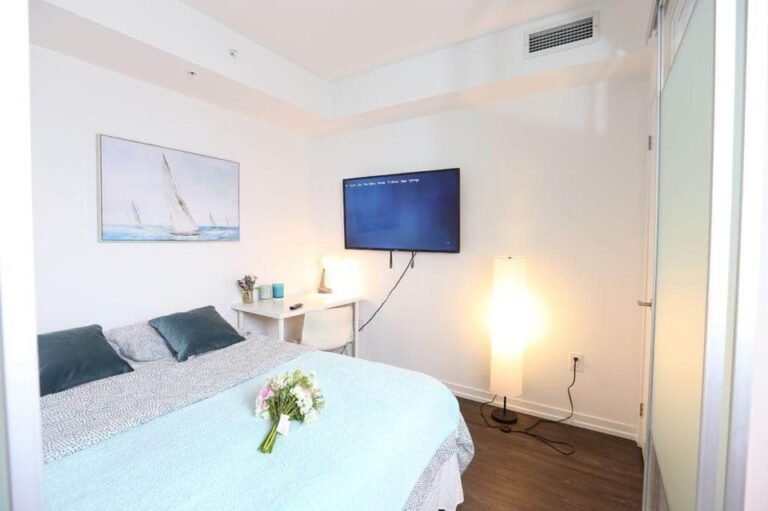
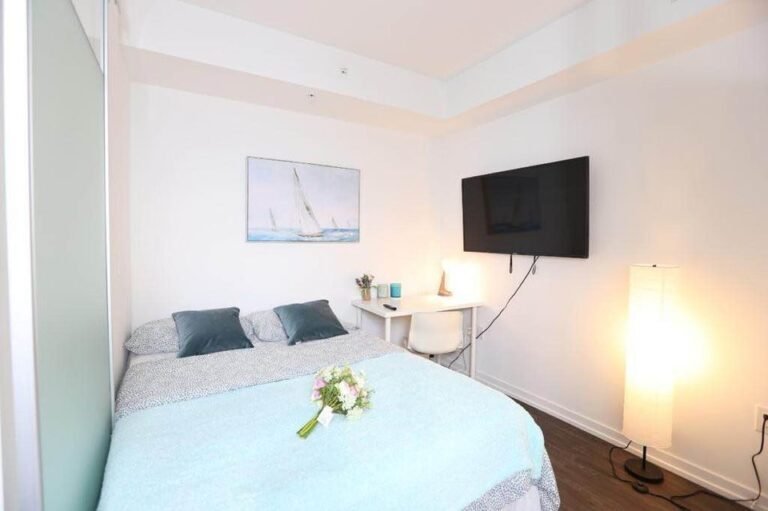
Master Room & Ensuite Bath (Male Only) – The Yonge, 197 Yonge St
Toronto
- Beds: 3
- Baths: 2
+2 more at this address
Private room
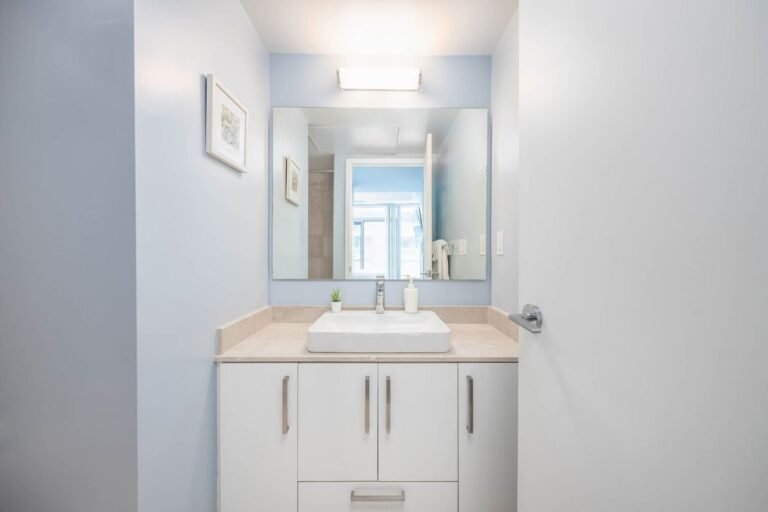
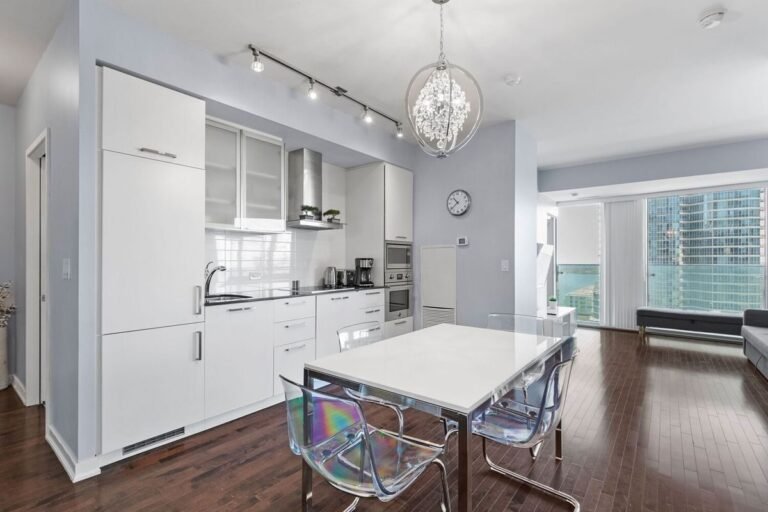
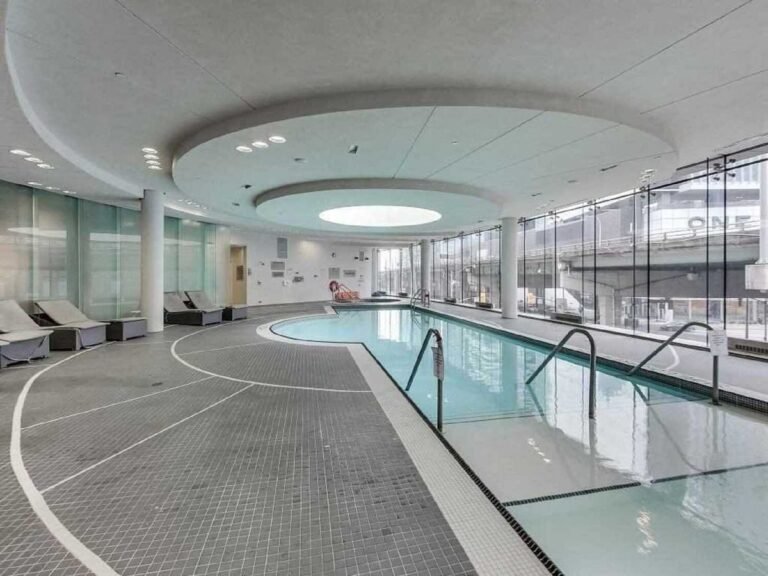
Private Basic – The York, 12 & 14 York St
Toronto
- Beds: 3
- Baths: 2
+3 more at this address
Private room
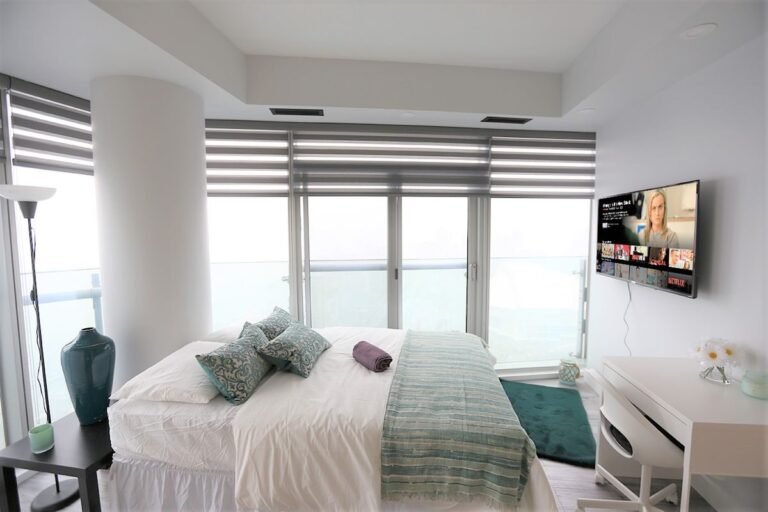
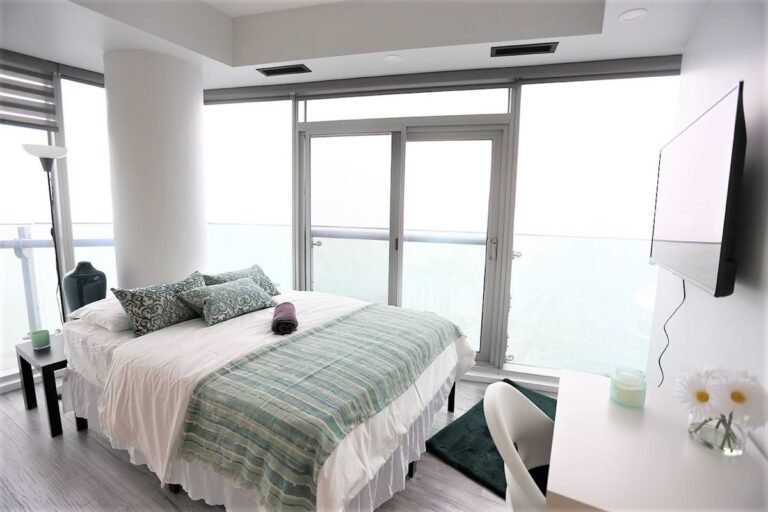
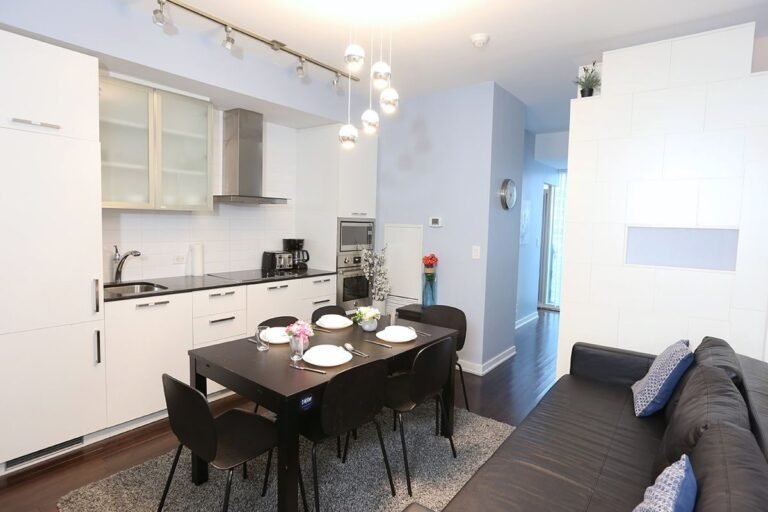
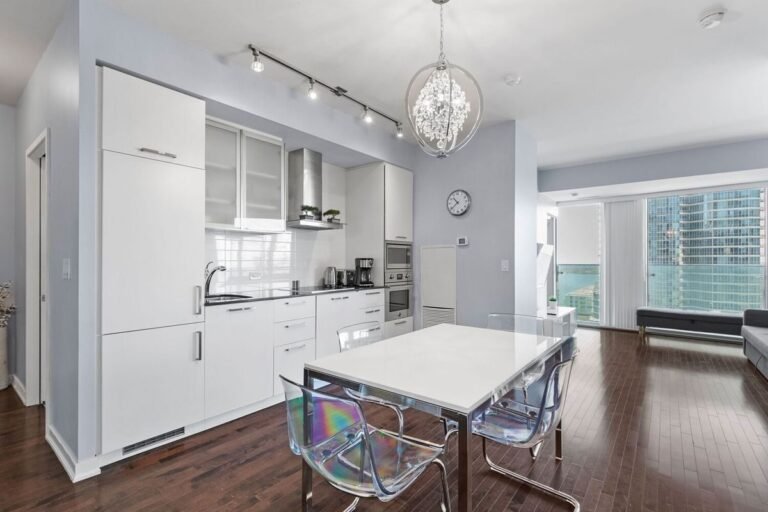
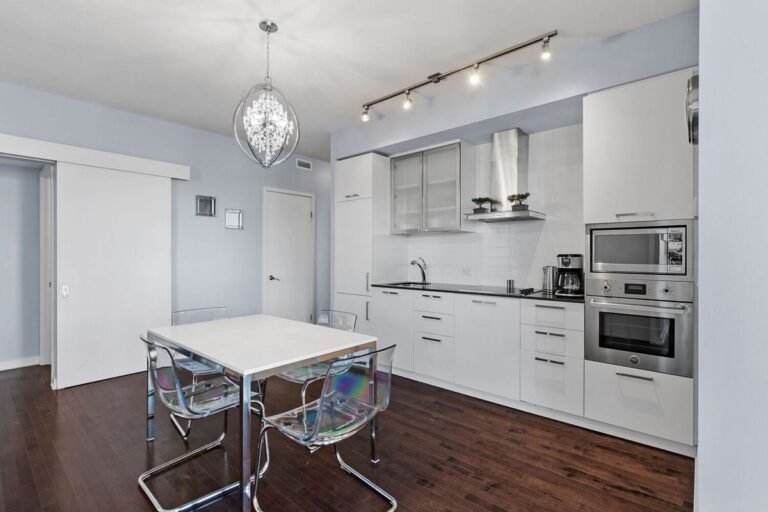
Flex Premium – The York, 12 & 14 York St
Toronto
- Beds: 3
- Baths: 2
+3 more at this address
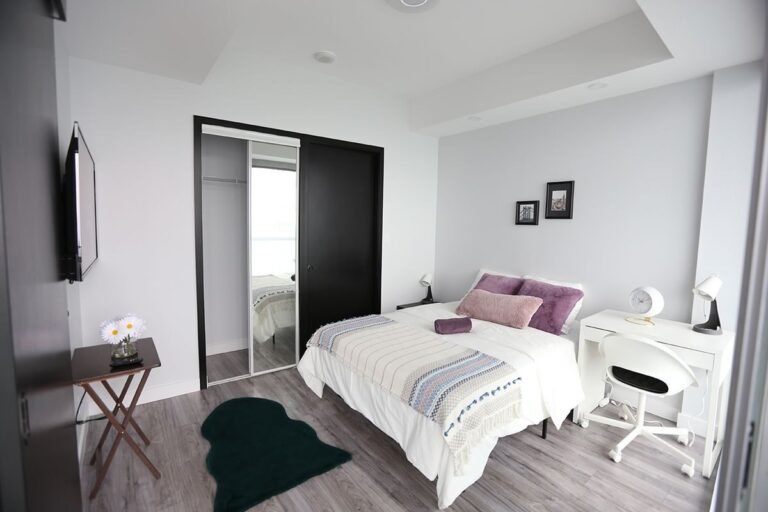

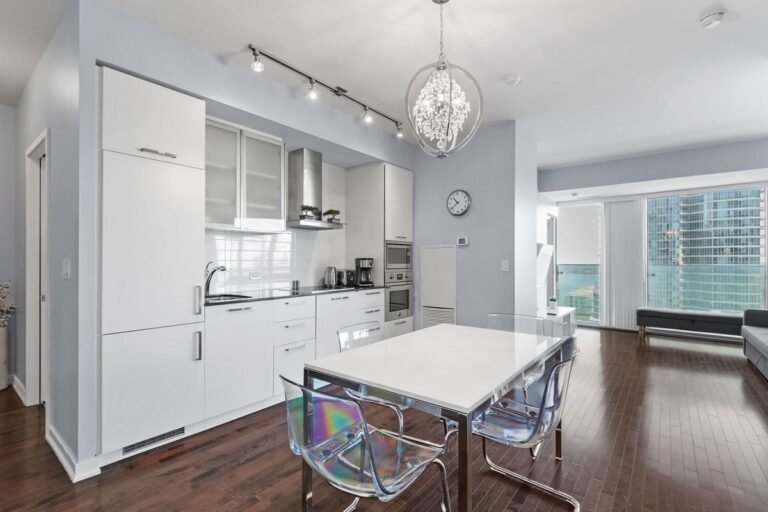
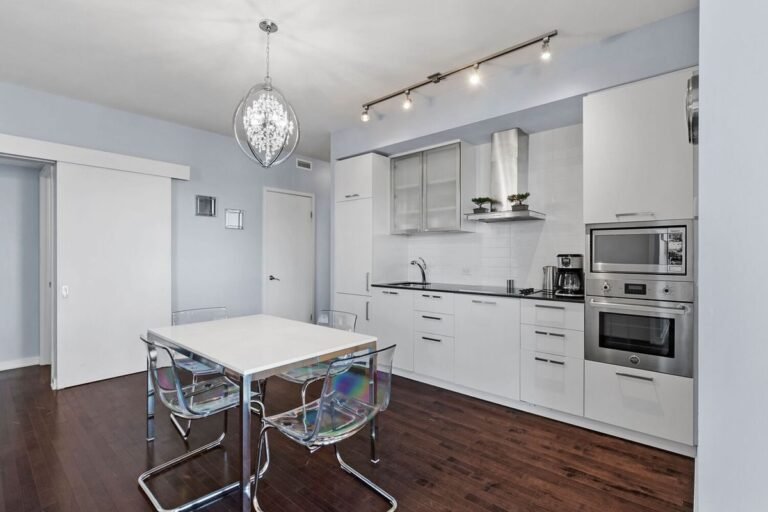

Private room
Deluxe Room – The York, 12 & 14 York St
Toronto
- Beds: 3
- Baths: 2
+3 more at this address
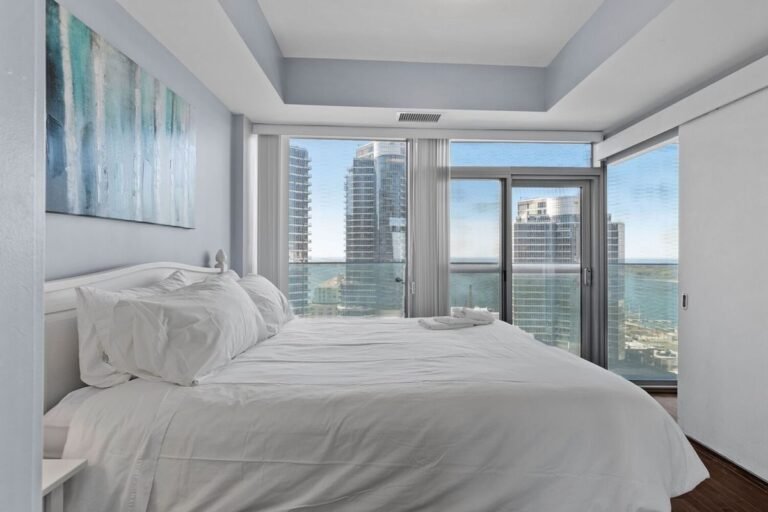
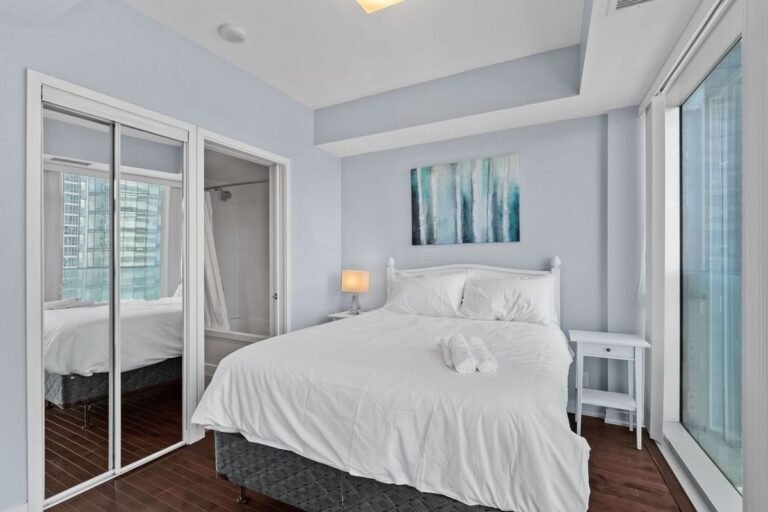

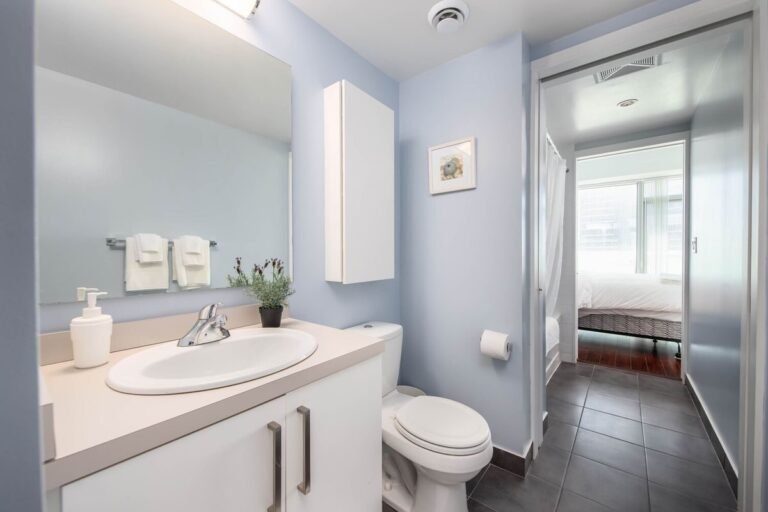

Ensuite room
Master Room & Ensuite Bath – The York, 12 & 14 York St
Toronto
- Beds: 3
- Baths: 2
+3 more at this address

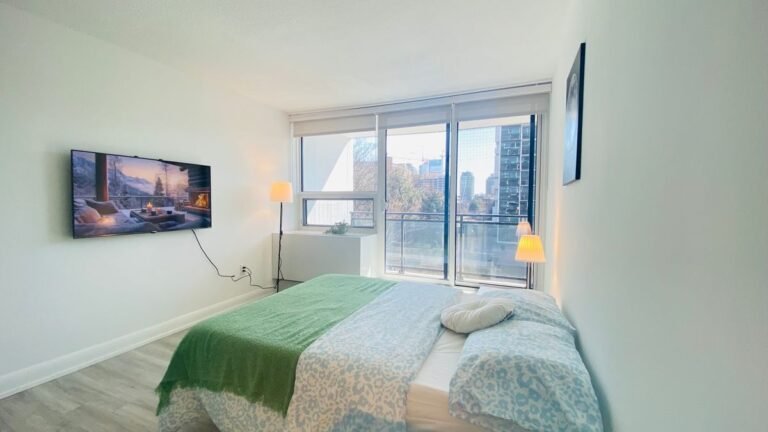


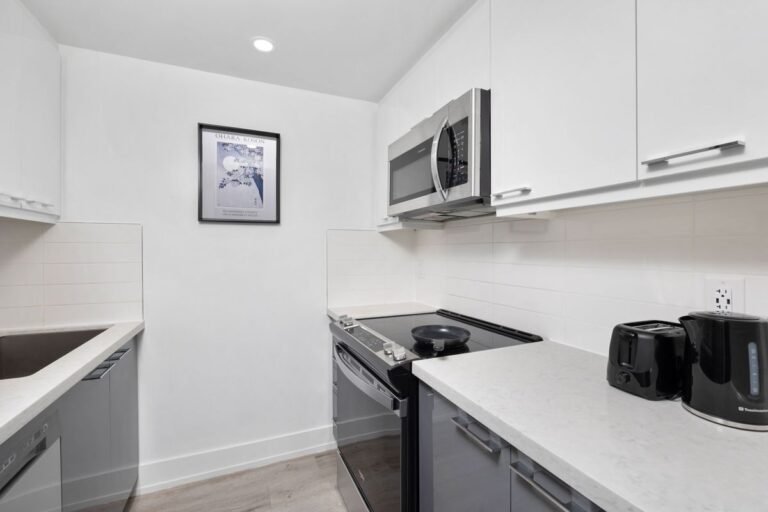
Private room
Deluxe Balcony – The Maddox, 201 Sherbourne St
Toronto
- Beds: 3
- Baths: 1
+2 more at this address
Rent by room type in Toronto
| Room type | Rooms live now | From | Typical |
|---|---|---|---|
| Private room | 28 | CA$953/month | CA$1,381/month |
| Ensuite room | 9 | CA$1,430/month | CA$1,972/month |
| Entire apartment | 3 | CA$2,250/month | CA$3,055/month |
| Entire house | 1 | CA$1,250/month | CA$1,250/month |
23 rooms at or below CA$1,500/month right now.
Live listings on Rentser today. Rooms priced by the week are shown as a monthly equivalent (weekly × 52 ÷ 12). Updated every hour.
Affordable Room Rentals in Toronto
Toronto is an exciting city, but finding affordable living options can be tough. If you’re looking for a budget-friendly way to live in the city, room rentals in Toronto are a great choice. Renting a room gives you the opportunity to live in prime locations while keeping costs low.
Are you a student, a young professional, or new to Toronto? On Rentser you can search rooms by budget and room type. On Rentser you can search rooms by budget and room type.
Why Choose Room Rentals in Toronto?
There are many benefits to renting a room in Toronto. Here are some reasons why this could be the right option for you:
1. Lower Rent Costs
Room rentals are more affordable than renting an entire apartment. You share the space and costs with roommates, which means you can live in desirable neighborhoods at a fraction of the price.
2. Flexible Living Arrangements
When you rent a room, you have more flexibility. You can choose to live in a shared apartment, house, or co-living space, depending on your preferences. Many room rentals offer short-term leases, perfect if you’re in Toronto for a few months.
3. Meet New People
Renting a room often means sharing the space with others. This gives you a chance to meet new people and create a community. Whether you’re a student or a young professional, living with roommates can be a fun and social experience.
4. Great Locations
Many room rentals in Toronto are located in central areas close to schools, workplaces, and public transportation. This makes commuting easy and gives you more time to enjoy everything the city has to offer.
Types of Room Rentals in Toronto
Toronto offers a variety of room rental options, each catering to different needs. Here are the most common types:
1. Rooms in Shared Apartments
One of the most common types of room rentals is renting a room in a shared apartment. You’ll have your own private space but share common areas like the kitchen, living room, and bathroom with other tenants. This is an affordable option, especially in central areas.
2. Rooms in Shared Houses
If you prefer a larger space, renting a room in a house might be a good fit. Houses usually offer more shared living space, like a bigger kitchen and yard. This is ideal if you want a quieter environment with fewer roommates than an apartment might offer.
3. Private Rooms in Apartments
For more privacy, you can rent a private room in an apartment. These rooms often come with their own bathroom and sometimes their own entrance. Renting a private room gives you the benefits of shared living without the full responsibility of an entire apartment.
4. Co-living Spaces
Co-living spaces are becoming more popular in Toronto. These are fully furnished homes or apartments where you rent a private room but share common areas with others. Co-living spaces often include utilities, internet, and even cleaning services. It’s a great choice for students or young professionals looking for convenience and community.
Best Neighborhoods for Room Rentals in Toronto
Toronto has many neighborhoods that are perfect for room rentals. Here are some of the best places to look:
1. Downtown Toronto
Downtown Toronto is at the heart of the city, with access to all the amenities and attractions. Renting a room downtown can be a bit more expensive, but it places you close to your work, school, and entertainment options. If you want to be in the middle of the action, downtown is the place to be.
2. Queen West
Queen West is a trendy neighborhood with a lively atmosphere. Known for its art scene and vibrant shops, this area is perfect for young professionals and creatives. Room rentals in Queen West are typically affordable, and you’ll enjoy the neighborhood’s eclectic vibe.
3. The Annex
The Annex is a charming neighborhood near the University of Toronto. It’s perfect for students looking for affordable room rentals close to campus. The area has many cafes, bookstores, and parks, giving it a cozy, academic feel. Room rentals in The Annex are popular among students and young professionals.
4. Scarborough
Scarborough offers a more budget-friendly alternative to downtown Toronto. It’s a quieter neighborhood with plenty of green space, making it perfect for those who prefer a suburban feel.
5. Yorkville
If you’re looking for an upscale neighborhood, Yorkville offers a high-end living experience. Room rentals here can be a bit costly. However, you’ll have excellent access to luxury shops, dining, and cultural attractions. It’s ideal for professionals who want to live close to the best that Toronto has to offer.
How Rentser works in Toronto
- Search by budget and room type. Every room shows its rent up front; filter by price and room type.
- Message hosts directly. Renters never pay on Rentser, and you write straight to the host or operator.
- Rooms listed by hosts are reviewed before they go live, and listings that end come off the site.
- Post a free room-wanted ad. Hosts with a room in Toronto can message you, and we email you new rooms that fit your budget.
1. Reviewed Host Listings
Rooms listed by hosts on Rentser are reviewed before they go live, and listings that end come off the site.
2. Easy-to-Use Search Filters
Rentser’s search filters allow you to find rooms that meet your specific needs. You can filter by location, price, amenities, and type of rental. This helps you find the perfect room in the right neighborhood.
4. Service Providers
Need help with moving or cleaning? Rentser also lists local service providers who can help with your move-in. From movers to cleaners, Rentser has you covered.
Tips for Renting a Room in Toronto
Here are some tips to help you find the best room rental in Toronto:
1. Set Your Budget
Before you begin your search, decide how much you’re willing to spend on rent each month. Remember, rent is only one part of your expenses. Also think about utilities, transportation, and food costs.
- Start Early
The rental market in Toronto can be competitive. Start your search early to give yourself enough time to find a room that suits your needs and budget.
3. Visit the Property
Whenever possible, try to visit the property before committing. This allows you to assess the room’s condition and get a feel for the living situation.
4. Be Flexible
If you’re open to different neighborhoods or types of rooms, you’ll have more options to choose from. Consider looking in areas that are slightly farther from downtown but still well-connected by public transit.
Find Your Ideal Room Rental in Toronto with Rentser
Renting a room in Toronto is a great way to live in the city without paying high rent. On Rentser you can search rooms in Toronto’s best neighborhoods by budget and room type.
Start your search today and find your next room rental in Toronto!
- Renting in Toronto: market guide
- People looking for a room in Toronto
- Movers, cleaners and other services in Toronto
More in Toronto: Student Housing in Toronto · Studio Apartments in Toronto · Find a Roommate in Toronto · Shared Living in Toronto · Coliving in Toronto
Rooms for rent in other cities: Edmonton · Montreal · Ottawa · Vancouver
More Toronto rooms for rent guides
Find a Room in Toronto: 2026 Complete Search Guide
Looking to find a room in Toronto? Whether you're a first-time renter arriving from outside Canada, an out-of-town professional planning your relocation, a recent graduate transitioning from family home to independent living, or simply researching your options before committing, finding the right room in Toronto means...
Why Find a Room in Toronto
The choice between renting a room versus renting a solo studio reshapes your entire Toronto living experience. Solo studios in Toronto cost $1,950-$2,250 CAD/month (median). Shared rooms run $850-$1,350 CAD/month — roughly half. For most first-time Toronto renters, this 40-50% cost difference is decisive.
Cost-sharing benefits beyond rent: - Utilities split between 3-4 housemates ($30-50/person vs $100-150 solo) - Internet split ($15-25/person vs $60-110 solo) - Cooking + grocery sharing reduces food costs $100-200/month per person - Shared streaming services + subscriptions = significant savings - Most Toronto shared houses have lived-in furniture; you bring your own bedroom items
Community + transition support: First-time Toronto renters often lack Canadian credit history, local references, and city knowledge. Shared housing provides built-in community — existing housemates can answer practical questions (TTC, neighborhood character, grocery stores, healthcare access). For international students + recent immigrants, this transition support is invaluable.
Trade-offs to acknowledge: - Less privacy than solo studio - Schedule coordination required for shared spaces - Roommate conflict possibility - Less flexibility if you want to invite frequent guests - House rules + cleaning rotation expectations
When to choose room rental: - Budget under $1,800/month - Open to community + shared cooking - First-time Toronto renter wanting transition support - Working professional balancing work-life-budget - International student or recent graduate
When to choose studio instead: - Strong privacy preference - Established savings + high income - Hosting frequent visitors important - Working from home with concentration needs - Lived in Toronto previously and know the rhythms
For most first-time Toronto renters, finding a room first + transitioning to studio later (or staying in shared housing long-term) is the practical path.
Employer hubs
Manufacturing
Key districtManufacturingNearby areasLiberty Village · Yonge-Eglinton · AnnexSectorManufacturing
Insurance + Professional Services
Key districtInsurance + Professional ServicesNearby areasAnnex · Kensington Market · Little ItalySectorInsurance + Professional Services
International Trade
Key districtInternational TradeNearby areasLittle Italy · East York · ScarboroughSectorInternational Trade
Best Toronto Neighborhoods to Search
| Neighborhood | Room Rent (CAD) | Best for | Walk Score |
|---|---|---|---|
| Annex | $1,200 | directly adjacent University of Toront | 95/100 |
| Kensington Market | $1,100 | bohemian heritage district | 95/100 |
| Little Italy | $1,150 | College Street West | 93/100 |
| East York | $900 | Bloor-Danforth subway access | 75/100 |
| Scarborough | $850 | east end Toronto | 65/100 |
| North York | $950 | Yonge-Sheppard corridor | 80/100 |
| Liberty Village | $1,300 | tech-creative live-work loft district | 92/100 |
| Yonge-Eglinton | $1,250 | midtown business district | 90/100 |
The right Toronto neighborhood for your room search depends on your employer/school location, budget, and lifestyle priorities. Here are eight areas where rooms are most commonly available, with search-specific guidance.
Scarborough ($800-$900)
Walk Score 65/100 • Transit Score 70/100. Diverse east end suburb. Largest concentration of multi-bedroom homes converted to shared rooms in Toronto. SRT + bus to downtown 35-50 min. Many landlords list within cultural community networks. Best for budget-conscious searchers comfortable with cultural-community shared housing + 35-50 min commute.
East York ($850-$950)
Walk Score 75/100 • Transit Score 78/100. East Toronto Bloor-Danforth subway corridor. Heritage homes converted to shared houses. Good for first-time renters wanting subway access + Greek + Asian + Italian neighborhood mix at moderate cost.
North York ($900-$1,000)
Walk Score 80/100 • Transit Score 82/100. North-central Toronto Yonge-Sheppard. Modern condo + heritage shared houses. Many condo developments have explicit room rental policies. Best for searchers wanting subway-direct + modern condo amenities + multicultural community.
Kensington Market ($1,050-$1,150)
Walk Score 95/100 • Transit Score 90/100. Bohemian heritage district adjacent to UofT. Heritage Victorian shared houses dominate. Listings spread across creative networks (artist collectives, music venues, design studios). Best for creative class + arts students searching within community.
Little Italy ($1,100-$1,200)
Walk Score 93/100 • Transit Score 88/100. College Street West corridor. Italian heritage + modern mid-rise. Listings often spread through tech employer Slack channels + meetup networks. Best for tech corridor + creative + young professional searchers.
Annex ($1,150-$1,250)
Walk Score 95/100 • Transit Score 92/100. Adjacent to UofT St. George + subway. Heritage Victorian shared houses dominate. Listings spread through UofT housing office, alumni networks, MaRS Slack. Best for UofT + MaRS + Bay Street working professionals + grad students searching established academic neighborhood.
Yonge-Eglinton ($1,200-$1,300)
Walk Score 90/100 • Transit Score 90/100. Midtown business district, anchored by new Eglinton Crosstown LRT (2026). Modern condos + co-living buildings (Common, Quarters, Roost). Co-living building search through operator websites + monthly turnover. Best for established working professional searchers wanting modern condo + co-living + transit + walkability.
Liberty Village ($1,250-$1,350)
Walk Score 92/100 • Transit Score 85/100. Tech-creative loft district along King West. Premium pricing. Listings spread through Toronto-Waterloo tech corridor networks + LinkedIn + meetup events. Best for established tech + creative + finance professionals + premium income searchers.
Where to Search for Rooms in Toronto
Toronto room search spans multiple channels. Smart searchers use 3-4 simultaneously:
Online Curated Platforms (Recommended)
- Padmapper + Zumper — Toronto rental aggregators
- Facebook Marketplace — high inventory but mixed quality; verify carefully
- Kijiji Toronto — established Canadian classifieds; older + diverse listings
- Craigslist Toronto — declining but heritage listings
- roomies.com — roommate matching platform
University Housing Offices
- University of Toronto Off-Campus Housing — largest active rental listing database in Canadian academia. Open to non-UofT students/professionals + Toronto residents.
- York University Off-Campus Housing
- Toronto Metropolitan University Off-Campus Housing
- OCAD University Housing
- George Brown + Humber College Off-Campus
These university offices verify landlord listings + roommate matching support. International student + recent immigrant friendly.
Co-Living Building Operators (Direct)
- Common Living (multiple Toronto buildings)
- Quarters Toronto
- Roost Toronto
- NESTpick Toronto
Search operators directly through their websites for current vacancies. Co-living buildings have turnkey arrangements with monthly memberships.
Cultural Community Networks
- South Asian community housing networks (Toronto South Asian groups, mosque + temple + community centre networks)
- Chinese + Korean housing networks (Cathay Pacific + Korean community organizations + cultural centres)
- Filipino community housing networks
- Caribbean + African community networks
- Latin American + European community networks
Each major Toronto cultural community has informal + formal housing networks. International students + recent immigrants benefit significantly.
Tech + Professional Networks
- Toronto tech Slack workspaces (Toronto Tech, Toronto JS, etc.)
- Bay Street + finance professional networks (CFA Toronto, MBA alumni networks)
- Creative + design networks (Toronto Designers Slack, OCAD alumni, Toronto Film + TV networks)
- LinkedIn Toronto rental groups
- Meetup.com housing-focused events
Working professional searchers often find quality rooms through employer + professional networks.
Offline + In-Person
- Posting boards at universities, libraries, community centres
- Cultural community newspapers (Canadian Immigrant, Toronto Star Greater Toronto sections)
- Word of mouth from existing Toronto residents
- Walking through neighborhood + spotting "Room for Rent" signs
Browse room listings on Rentser and message landlords directly.
What to Look For in a Room
| Type | Range | Median | Notes |
|---|---|---|---|
| Room in shared (3-4 BR) | $850–$1,300 | $1,150 | Most common, utilities vary |
| Studio (solo alt.) | $1,657–$2,242 | $1,950 | Private, ~2x room cost |
| 1-bedroom | $1,912–$2,587 | $2,250 | Separate bedroom |
When viewing Toronto rooms, evaluate beyond the room itself. Use this checklist:
Physical Room (5 items) - [ ] Adequate size for your belongings (most Toronto rooms 80-150 sq ft) - [ ] Window functional + natural light source - [ ] Closet/storage space adequate - [ ] Bed quality (if furnished) + mattress condition - [ ] Heating + AC functionality (essential for Toronto winters/summers)
Shared Common Areas (4 items) - [ ] Kitchen functional + clean + stocked basic appliances - [ ] Living room/common area for community - [ ] Bathroom condition + privacy/scheduling expectations - [ ] Laundry facility (in-unit, in-building, or laundromat distance)
Building + Neighborhood (5 items) - [ ] Building security (locked entry, intercom system) - [ ] Mail handling + parcel delivery procedures - [ ] Neighborhood safety walking at night - [ ] TTC station distance + commute time to your destination - [ ] Grocery + pharmacy + healthcare proximity (10-15 min walking ideal)
Housemates + Community (4 items) - [ ] Interview existing housemates separately (not just landlord) - [ ] Discuss cleaning + chore expectations - [ ] Discuss quiet hours + guest policies - [ ] Confirm lease terms align with your commitment intent
Lease + Cost (5 items) - [ ] Confirm Ontario last-month-rent-only deposit (no first + last + security stack) - [ ] Verify utility-inclusion status (heat, water, electric) - [ ] Internet inclusion + speed verification - [ ] Confirm Toronto-specific renewal terms (rent control status: pre-2018 buildings cap at 2.5%) - [ ] Move-in date alignment + any prorated rent if mid-month
Documentation Needed (3 items) - [ ] Government ID + proof of identity - [ ] Employer letter or income proof (Canadian credit history if available, otherwise 6-month rent upfront option) - [ ] Previous landlord reference letter (or character reference if first-time renter)
Red Flags + Scams to Avoid
Toronto's rental market attracts both legitimate landlords + scammers. Recognize warning signs:
Listing Red Flags:
- Significantly below market rate — Toronto room rentals below $700 CAD in central neighborhoods are likely scam or undisclosed problem
- Urgency pressure — "Decide today" or "Other applicants waiting" — legitimate landlords give viewing time
- Wire transfer or cryptocurrency requests — never wire money or send crypto for deposits
- No in-person viewing possible — landlord "out of town" or "traveling" is classic scam pattern
- No written lease provided — legitimate Toronto landlords always have written Ontario standard lease
- Cash-only requirements — cash for deposits is risky; insist on certified cheque or bank draft with receipt
Viewing Red Flags:
- Existing housemates seem unhappy — interview them privately
- Maintenance issues clearly long-standing — broken fixtures, water damage, mold
- Building entry security weak — broken intercom, unlocked exterior doors
- No neighbors visible — empty buildings or hidden room layouts may indicate illegal subdivisions
Lease Red Flags:
- Non-standard lease form — Toronto landlords use Ontario standard lease (LTB Form N1). Custom forms hide concerns
- Excessive deposit demands — Ontario law: last-month-rent-only (no first + last + security stack)
- Vague tenant responsibilities — clear specific responsibilities + landlord responsibilities
- No clear exit notice procedures — should be 60 days written notice for fixed-term lease
- Unlimited rent increases — verify rent control status (pre-2018 building cap at 2.5%)
Communication Red Flags:
- Landlord won't provide identity verification (driver's license, photo of ID)
- Landlord references unavailable — legitimate landlords have happy past tenants
- Sudden change in lease terms post-application — bait-and-switch scam pattern
Where to Report:
- Ontario Landlord and Tenant Board (free dispute resolution)
- Toronto Police for fraud
- Better Business Bureau for documented scammers
How to Apply + Secure a Room in Toronto
Toronto's competitive market (0.9% vacancy) means complete applications close deals fastest. Here's the application strategy:
Step 1: Pre-Prepare Application Packet
Bring to first viewing: - Government ID - Employer letter confirming employment + salary - Last 2-3 paystubs - Bank statements showing savings (3-month history) - Credit check authorization (Equifax + TransUnion Canada) - Previous landlord references (2 years preferred) - Character references if first-time renter - Filled-in Ontario standard lease application
Step 2: Move Quickly on Quality Listings
Toronto's competitive market means quality listings close within 24-48 hours. If you've viewed the room + verified the landlord + want it, apply immediately. Hesitation often loses the room.
Step 3: Negotiate Strategically
- For pre-2018 buildings (rent-controlled), confirm renewal terms aligned with 2.5% guideline
- Negotiate utility-inclusion if not standard
- Confirm move-in date alignment
- Request written copy of house rules + cleaning rotation
- Request landlord/property management contact for repairs
Step 4: Verify Application Status + Move-In Date
After application acceptance: - Confirm written lease provided + signed - Confirm move-in date + deposit return procedure - Confirm first month rent payment method + receipt - Confirm utility setup procedures (Toronto Hydro, Enbridge gas, internet provider) - Confirm renter's insurance setup ($120-180/year)
All Toronto room rental guides
Compare every Toronto rental type — student, working-professional, shared, furnished, studio, and budget options.
TorontoStudent HousingTorontoRent a RoomTorontoShared LivingTorontoFurnished Rooms on RentTorontoStudio on RentTorontoStudent AccommodationTorontoStudent RentalsTorontoStudent LivingTorontoRooms on RentTorontoShared Rooms on RentTorontoFind a Room on RentTorontoStudio Apartment
About this guide: Updated quarterly using Ontario Landlord and Tenant Board + CAD/month · CMHC Rental Market Report Fall 2.
By the Rentser Editorial Team · Last updated June 2026 · For information only; consult a qualified attorney for legal advice.
Live · Toronto
Studio guide
Self-contained studios — privacy, no roommates, budget comparison for Toronto.
Quick links
Affordable Guide to Renting a Room in Toronto for Students and Professionals
Finding affordable housing in a big city can be overwhelming, and that’s especially true when it comes to renting a room in Toronto. With one of Canada’s most competitive rental markets, newcomers, students, and young professionals often struggle to balance cost, location, and comfort. In this guide, we’ll explore how to rent a room in Toronto without stress — from understanding average prices to choosing the right neighborhood and avoiding common rental mistakes.
Table of ContentsWhy Renting a Room in Toronto Makes Sense
Toronto is Canada’s largest city, home to diverse cultures, world-class universities, and a growing job market. But the cost of living is high, and renting an entire apartment can be too expensive for many. That’s why renting a room in Toronto is one of the smartest choices for students and professionals alike. It offers:
- Lower monthly expenses compared to apartments.
- Flexibility with shorter lease terms.
- Community living with shared spaces.
- Accessibility to transit, universities, and workplaces.
Average Cost of Renting a Room in Toronto
The cost depends on the neighborhood and amenities. On average:
- Shared room: $700 – $1,000 per month
- Private room in shared apartment: $900 – $1,400 per month
- Luxury/shared housing: $1,500 – $2,000+ per month
Pro Tip: If you’re renting a room in Toronto, consider all-inclusive options where utilities, internet, and laundry are covered in the price.
Best Neighborhoods for Renting a Room in TorontoWhen it comes to choosing the right neighborhood, Toronto offers a variety of options to fit different lifestyles and budgets.
1. Downtown Toronto
- Close to offices, nightlife, and transit.
- Higher rent ($1,200–$1,800).
- Best for young professionals.
2. The Annex
- Popular with University of Toronto students.
- Rooms range from $800–$1,200.
- Trendy cafes, bookstores, and a student-friendly vibe.
3. Scarborough
- More affordable housing.
- Rooms around $700–$1,000.
- Great for international students.
4. North York
- Family-friendly, quieter area.
- Room rentals average $900–$1,300.
- Excellent transit connections.
5. Etobicoke
- Affordable rooms starting at $750.
- Ideal for those seeking peaceful neighborhoods.
- Easy commute to downtown.
Before you move in, landlords usually ask for:
- Government-issued ID (passport, driver’s license)
- Proof of income (employment letter or pay stubs)
- References from previous landlords
- First and last month’s rent deposit
Since the rental market is competitive, scams do happen. Protect yourself with these steps:
- Visit the property in person before paying.
- Sign a written lease that outlines rent, deposits, and rules.
- Ask about utilities to avoid hidden costs.
- Verify landlord or roommate identities before committing.
- More affordable than apartments.
- Easy access to public transportation.
- Flexible leases for students and newcomers.
- Less privacy in shared spaces.
- Rent varies widely across neighborhoods.
- High competition — rooms get taken quickly.
- Choose neighborhoods outside downtown for lower rent.
- Share with multiple roommates to split costs.
- Look for sublets during summer — often cheaper.
- Negotiate rent if you’re signing a longer lease.
- Bundle utilities by asking for all-inclusive rentals.
Toronto is a city full of opportunities. you’ll have access to:
- Cultural diversity — explore Little Italy, Chinatown, and Greektown.
- Career opportunities in finance, tech, and healthcare.
- World-class education at U of T, Ryerson, and York University.
- Events and festivals year-round for every interest.
If you’re moving to Canada’s largest city, renting a room in Toronto is one of the best decisions you can make for affordability, flexibility, and community living. From exploring vibrant neighborhoods to managing rental costs, this guide ensures you’ll be well-prepared. Whether you’re a student, professional, or newcomer, Toronto offers something for everyone — and with the right approach, you can find the perfect room that fits your lifestyle.
Rooms on Rent in Toronto: 2026 Available Inventory + Filter Guide
Toronto Rooms Inventory Snapshot
Toronto's room rental market shows active inventory of approximately 8,200-12,500 listings at any given moment (June 2026 snapshot) across the Rentser platform alone, with private market sources adding another 15,000-25,000 listings across Kijiji, Facebook Marketplace, and TenantNet.
Price tier distribution (Toronto rooms on rent, all types):
- Budget tier ($700-$1,000): ~22% of inventory (Scarborough, Etobicoke, North York suburbs)
- Mid-range tier ($1,000-$1,400): ~52% of inventory (Annex, Kensington, East York, Yonge-Eglinton)
- Premium tier ($1,400-$2,500): ~26% of inventory (Liberty Village, King West, Yorkville studios)
Days-on-market averages:
- Budget tier (under $1,000): 7-14 days typically
- Mid-range tier: 14-21 days
- Premium tier: 21-35 days
Furnished vs unfurnished mix: Approximately 35% of Toronto private room listings include furnishings (mattress, desk, dresser); 65% are unfurnished. Coliving buildings and purpose-built student residences lean heavily furnished. Older shared houses in Annex/Kensington tend unfurnished. Most apartment-style rentals in Liberty Village/Yonge-Eglinton offer either option.
Lease length distribution:
- 12-month leases: ~58% of listings (predominant)
- 8-month academic-year leases (Sep-Apr): ~22% (heavy student-area focus)
- Month-to-month after fixed term: ~12% (university-adjacent flexibility)
- 6-month leases: ~8% (mix of contract workers + visiting graduate students)
Active inventory updates every 4 hours on Rentser, with new listings averaging 40-80 per day in Toronto market.
Employer hubs
5 Filter Criteria That Matter Most
4. Furnished vs Unfurnished
35% of Toronto private room listings include furnishing — typically mattress, desk, dresser, and closet. Furnished options carry $50-$200/month premium but eliminate $1,500-$3,000 one-time furniture purchase costs. Furnished works well for:
- International students arriving without belongings
- Short-term renters (under 8 months stays)
- Relocators traveling light
- Students who'll be moving again in 8-12 months
Unfurnished suits established residents with existing furniture or those preferring personalized setup. See Furnished Rooms in Toronto for furnished-specific guide.
5. Lifestyle Preference
The fifth criterion is the most personal — what lifestyle you want:
- Community-focused / shared culture: Coliving spaces or community-focused private rentals → Toronto Shared Living or Toronto Coliving
- Solo-focused / privacy-essential: Studio rooms or apartments → Toronto Studio on Rent or Toronto Studio Apartment
- Roommate-matched: Compatibility-aware matching → Toronto Roommate Finder
- Working professional: Lease-flexibility focused → Toronto Rent a Room
Lifestyle filter cross-references with all other filters. A community-focused budget-tier renter naturally lands in shared houses in East York or Junction. A solo-focused premium-tier renter naturally selects Liberty Village studios.
Top 5 Room Type Categories in Toronto
Category 2: Apartment-Style Private Bedroom (~22% of inventory)
Private bedroom in 2-3 bedroom apartment building. Modern condo buildings in Yonge-Eglinton, Liberty Village, King West. Price range: $1,200-$1,800. Lease: 12-month standard. Amenities common: Building gym, concierge, in-suite laundry. Best for: Working professionals on Bay Street internships or graduate stipend programs.
Category 3: Studio Room (Efficiency-Style) (~14% of inventory)
Self-contained room with private bathroom + kitchenette. Often in older Annex/Cabbagetown buildings or newer purpose-built student housing. Price range: $1,300-$2,000. Lease: Mix of 8 and 12-month. Best for: Solo students or working professionals prioritizing privacy + minimal cleaning. See Studio on Rent.
Category 4: Furnished Room (~12% of inventory)
Move-in-ready bedroom with bed, desk, dresser, closet. Sometimes also linens + cookware (concept "fully furnished"). Price range: $1,200-$1,800. Lease: Mix. Best for: International students arriving without belongings or relocators. See Furnished Rooms.
Category 5: Coliving Space (~7% of inventory)
Professionally-managed shared housing with curated communities, included utilities + cleaning + concierge. Buildings include Common Toronto (multiple locations), Outpost Club, Quarters Toronto. Price range: $1,400-$2,200. Lease: Often month-to-month with longer commitment discounts. Best for: New-to-Toronto professionals wanting easy onboarding + community. See Toronto Coliving.
How to Browse + Narrow Criteria
Practical search workflow:
Step 1: Set budget ceiling realistic to lifestyle (Toronto Student Living framework) — Calculate total monthly budget first, allocate 50-65% to housing, set rent ceiling. For $2,200 total budget: $1,200-$1,400 rent ceiling.
Step 2: Choose lease length — Academic students often default to 8-month if available (summer flexibility) or 12-month for stability. Working professionals choose 12-month. Contract/visiting graduate students consider month-to-month.
Step 3: Decide privacy level — Shared bedroom (extreme budget) → private room in shared house (most common) → studio room (privacy + efficiency) → studio apartment (full apartment privacy).
Step 4: Pick 2-3 candidate neighborhoods — Consider transit time to employer/university, neighborhood character, amenity preferences. Toronto example: working at Bay Street + UofT student → Annex/Kensington (walking distance to both). Working at Liberty Village + downtown evening social → King West.
Step 5: Filter by furnished/unfurnished — Furnished: international students, short stays, relocators. Unfurnished: established residents, longer-term commitments.
Step 6: Set up alerts for new listings matching criteria — Rentser alerts allow saved searches with daily notifications. Reduces missed-opportunity risk in fast-moving Toronto market.
Ask about: utility costs, lease length flexibility, pet policy, guest policy, neighborhood lifestyle. Schedule viewings.
Step 8: View, compare, decide — Toronto inventory moves quickly. Plan to view 3-5 properties within 1-2 weeks. Don't pressure-decide on first viewing if alternatives are scheduled.
Best Neighborhoods Across All Categories
Toronto's 8 most popular rental neighborhoods, with mixed-type rental availability:
Annex — Walk Score 94 + Transit Score 95. 60% private rooms in shared houses + 30% apartments + 10% studios. Price tier: Mid to high-mid ($1,150-$1,450). Lifestyle: Academic + intellectual + UofT-adjacent. Cross-link: Student Housing for deeper student detail.
Kensington Market — Walk Score 94 + Transit Score 88. 55% shared houses + 35% apartments + 10% studios. Price tier: Mid ($1,000-$1,300). Lifestyle: Multicultural + walkable + bohemian. Cross-link: Rent a Room for adult professional context.
Yonge-Eglinton — Walk Score 90 + Transit Score 95. 70% apartments + 25% shared houses + 5% studios. Price tier: Mid to high-mid ($1,100-$1,400). Lifestyle: Subway + young professional + transit-essential. Cross-link: Furnished Rooms for relocator context.
Liberty Village — Walk Score 88 + Transit Score 81. 80% apartments + 15% studios + 5% shared houses. Price tier: High ($1,400-$2,000). Lifestyle: Tech corridor + modern + amenity-rich. Cross-link: Studio Apartment for full-apartment focus.
East York — Walk Score 75 + Transit Score 80. 75% shared houses + 20% apartments + 5% studios. Price tier: Mid ($1,000-$1,250). Lifestyle: Quiet + family-friendly + budget. Cross-link: Shared Living for house-culture.
Scarborough — UTSC area — Walk Score 65 + Transit Score 70. 75% shared houses + 15% studios + 10% apartments. Price tier: Budget ($700-$1,000). Lifestyle: Multicultural + suburban + cost-extreme. Cross-link: Shared Rooms on Rent for extreme-budget context.
Yorkville + Bloor-Yorkville — Walk Score 93 + Transit Score 95. 65% apartments + 30% studios + 5% shared houses. Price tier: Premium ($1,800-$2,500). Lifestyle: Luxury + walking proximity to hospitals + Bay Street. Cross-link: Studio Apartment.
The Junction + Roncesvalles — Walk Score 85 + Transit Score 78. 60% shared houses + 30% apartments + 10% studios. Price tier: Mid ($1,050-$1,350). Lifestyle: Creative + emerging + alternative.
Common Search Mistakes
Mistake 1: Setting budget too tight — Leads to compromised neighborhood/safety. Toronto budget below $850 typically pushes Scarborough or Etobicoke outskirts (45-60 minute commute) or shared bedroom arrangements with privacy compromises. Better to add $100-$200/month rent budget for better location.
Mistake 2: Ignoring lease length flexibility — Academic-year students sometimes force-fit 12-month leases when 8-month would suit better. Working professionals sometimes default to 12-month not realizing month-to-month is available at slight premium. Match lease length to your actual stay timeline.
Mistake 3: Overlooking utilities-included status — Two $1,200 listings can have $150/month cost difference depending on utilities-included. Always confirm what's included before comparing.
Mistake 4: Pet/smoking restrictions not checked — Toronto landlords often restrict pets (especially in shared houses) or smoking. Confirm at viewing.
Mistake 5: Not verifying transit cost — Including transit ($156/month TTC pass + Uber supplement) in monthly housing budget comparison gives accurate apples-to-apples math.
Mistake 6: Not asking about lease end terms — Ontario RTA-compliant landlords cannot prevent month-to-month conversion, but some landlords pressure tenants to vacate. Confirm understanding upfront.
Mistake 7: First viewing offer pressure — Toronto inventory moves fast but pressure to decide same-day is a red flag. Most legitimate landlords give 1-3 days decision window.
Furnished Rooms in Toronto: 2026 Move-In Ready Guide
Looking for furnished rooms on rent in Toronto? Whether you're relocating for a Bay Street finance role on a 6-month assignment, joining Toronto-Waterloo tech corridor on a temporary visa, working as a film/TV production crew member on a project-based schedule, on a digital nomad rotation seeking 1-6 month Toronto base, or...
Why Furnished Rooms in Toronto
Toronto's relocator + assignment professional market makes furnished rooms exceptionally practical. Bay Street finance professionals on 3-6 month relocations, Toronto-Waterloo tech professionals on project-based assignments, film/TV production crews on project schedules, international consulting professionals on Canadian visa assignments, and digital nomads rotating through Canadian cities all benefit from move-in-ready furnished arrangements vs traditional unfurnished + furniture purchase + 12-month lease commitment.
Key advantages over unfurnished rentals: - No furniture purchasing (saves $2,000-$5,000 upfront + days of shopping/assembly) - No utility setup (avoid Toronto Hydro + Enbridge gas + internet provider negotiations) - No internet provider research + setup - Move-in-ready first day arrival - Short-to-medium-term lease flexibility (3-12 months) - All-inclusive monthly pricing - Often weekly housekeeping included - Community programming in co-living buildings
When furnished rooms make sense: - Job assignment 3-12 months Toronto - International visa temporary work - Digital nomad rotation - Graduate program with limited budget - Family transition + first independent move - Project-based film/TV/finance/consulting
When unfurnished rooms make more sense: - Long-term Toronto plan (2+ years) - Furniture personal preferences important - Established Toronto life with furniture collection - Permanent transition
Toronto's continuous year-round turnover supports flexible move-in dates for furnished rentals, especially in co-living buildings where monthly memberships replace traditional fixed-term leases.
Employer hubs
Best Toronto Neighborhoods for Furnished Rooms
| Neighborhood | Furnished Rent (CAD) | Best for | Walk Score |
|---|---|---|---|
| Annex | $1,440 | directly adjacent University of Toront | 95/100 |
| Kensington Market | $1,320 | bohemian heritage district | 95/100 |
| Little Italy | $1,380 | College Street West | 93/100 |
| East York | $1,080 | Bloor-Danforth subway access | 75/100 |
| Scarborough | $1,020 | east end Toronto | 65/100 |
| North York | $1,140 | Yonge-Sheppard corridor | 80/100 |
| Liberty Village | $1,560 | tech-creative live-work loft district | 92/100 |
| Yonge-Eglinton | $1,500 | midtown business district | 90/100 |
Scarborough ($1,200-$1,350)
Walk Score 65/100 • Transit Score 70/100. Eastern Toronto suburb. Furnished offering: Newer suburban shared houses + some condo conversions. Best for budget-conscious relocators + family-style + South Asian community + UTSC + York University-adjacent assignment professionals.
East York ($1,250-$1,400)
Walk Score 75/100 • Transit Score 78/100. East Toronto Bloor-Danforth subway. Furnished offering: Heritage homes converted + newer mid-rise furnished suites. Best for working professional relocators + subway-direct + Greek/Asian/Italian food + 15-20 min downtown commute.
North York ($1,300-$1,450)
Walk Score 80/100 • Transit Score 82/100. North-central Yonge-Sheppard. Furnished offering: Modern condos + co-living building expansion. Best for tech sector professionals on assignment + multicultural family + subway-direct.
Kensington Market ($1,400-$1,550)
Walk Score 95/100 • Transit Score 90/100. Bohemian heritage UofT-adjacent. Furnished offering: Heritage Victorian shared houses + creative class focus. Best for creative + arts professional relocators + UofT graduate + walkable cultural immersion.
Little Italy ($1,450-$1,600)
Walk Score 93/100 • Transit Score 88/100. College Street West. Furnished offering: Heritage homes + newer mid-rise. Best for working professional relocators + walkable + downtown employer access + cultural character.
Annex ($1,500-$1,700)
Walk Score 95/100 • Transit Score 92/100. UofT St. George-adjacent. Furnished offering: Heritage Victorian shared houses. Best for UofT-adjacent academic relocators + MaRS + Bay Street professionals + walking + intellectual community.
Yonge-Eglinton ($1,600-$1,800)
Walk Score 90/100 • Transit Score 90/100. Midtown business district + new Eglinton Crosstown LRT (opening 2026). Furnished offering: Modern condos + co-living buildings (Common Living, Quarters, Roost — strongest network). Best for midtown professional relocators + tech + finance + walkable + modern building amenities.
Liberty Village ($1,700-$2,000)
Walk Score 92/100 • Transit Score 85/100. Tech-creative loft district King West. Furnished offering: Premium co-living buildings + warehouse conversions + modern condos. Best for senior tech + creative + finance relocators with premium income + lifestyle priority + Bay Street + Toronto-Waterloo tech proximity.
Lease Terms + Cost Structure
Furnished Room Lease Structures:
- Co-Living Building Membership (most flexible) — Monthly memberships from $1,200-$2,000 CAD. 1-month, 3-month, 6-month, 12-month options. All utilities + WiFi + housekeeping + community programming included. Common Living, Quarters, Roost, NESTpick operate Toronto co-living buildings.
- Short-Term Furnished Rental — 3-6 month leases, $1,400-$1,900 CAD. Typically include utilities + WiFi. Some include housekeeping. Pattern in Yonge-Eglinton + Liberty Village + Annex.
- Medium-Term Furnished Rental — 6-12 month leases, $1,300-$1,800 CAD. Most common arrangement for relocators. Utilities + WiFi included.
- Long-Term Furnished Rental — 12+ month leases, $1,250-$1,700 CAD. Slightly lower per-month than short-term. Pattern in heritage homes + traditional shared houses.
- All-Inclusive vs Utilities-Tenant-Paid — Most furnished rooms include utilities + WiFi (premium pricing reflects). Some traditional shared house furnished options may exclude utilities (verify before signing).
Typical inclusions: - Furniture (bed, mattress, dresser, desk + chair, closet/storage) - Linens + kitchen supplies (in some arrangements) - Utilities (heating, electric, water) - WiFi (typically 100+ Mbps) - Housekeeping (weekly in co-living buildings; bi-weekly in mid-tier) - Community programming (co-living buildings) - Bike storage / parking (varies)
Ontario Lease Norms (Same as Theme 2): - Last-month-rent-only deposit (Ontario unique) - Ontario RTA rent control (pre-2018 buildings cap at 2.5%) - No broker fees - 60-day notice to vacate fixed-term lease - Strong tenant protections via LTB
Furnished Premium vs Unfurnished: Furnished rooms typically cost $200-$500 CAD more per month than unfurnished equivalent. Premium reflects: furniture amortization, utilities inclusion, WiFi inclusion, housekeeping, community programming, move-in convenience. Math typically favors furnished for 3-12 month stays vs unfurnished + furniture purchase + utility setup.
Average Costs for Toronto Furnished Rooms
| Type | Range | Median | Notes |
|---|---|---|---|
| Furnished room | $977–$1,625 | $1,380 | Furniture + utilities + WiFi |
| Unfurnished room | $850–$1,300 | $1,150 | + your own furniture/setup |
| Furnished studio | $2,145–$2,632 | $2,340 | Solo, fully furnished |
Typical Furnished Premium vs Unfurnished: - Scarborough: +$200 vs unfurnished - East York: +$250 - Annex: +$300 - Yonge-Eglinton: +$400 - Liberty Village: +$500
Cost-Saving Analysis: 6-Month Toronto Assignment Math
Unfurnished 6-month traditional ($1,200/month room): - Rent: $7,200 (6 × $1,200) - Furniture purchase: $2,500 - Utility setup: $200 - Internet setup: $150 - Time/hassle: 1-2 days - Total: $10,050 for 6 months
Furnished co-living 6-month ($1,600/month): - All-inclusive: $9,600 (6 × $1,600) - Zero setup time - Move-in-ready first day - Total: $9,600 for 6 months — $450 SAVINGS + days of time
Furnished math favorable for 3-12 month assignments. Long-term residents benefit from unfurnished.
What's Included in Furnished Rentals
Standard Furniture (most furnished arrangements include): - Queen or full bed + mattress - Dresser/wardrobe - Desk + ergonomic chair - Closet/storage - Linens (sheets, blankets, pillows) — varies - Bath linens — varies
Premium Furnished (co-living buildings): - Premium mattress (Casper, Endy, etc.) - Premium furniture (West Elm, IKEA quality) - Smart TV in common areas - Kitchen supplies (cookware, dishware, utensils) - Coffee maker + small appliances
Utilities + Services Included: - Heating + electric + water - High-speed WiFi (100+ Mbps standard) - Cable/streaming (some arrangements) - Housekeeping (weekly in co-living, bi-weekly mid-tier) - Laundry facility (in-building or in-unit) - Bike storage - Some parking
Community Programming (co-living buildings): - Welcome events for new residents - Weekly community dinners - Workout/yoga programs - Networking events - Holiday celebrations
What's NOT typically included: - Personal items (electronics, books, decor) - Specialty cookware (if you cook elaborately) - Premium subscriptions (streaming, gym) - Vehicle parking (often extra fee) - Pet fee/deposit if applicable
How to Find Furnished Rooms in Toronto
Step 1: Define your assignment + lifestyle priorities. Length of Toronto stay (3 vs 6 vs 12 months)? Co-living community vs traditional shared house? Specific employer proximity? Budget tier? Furniture quality expectations?
Filter by price and room type. Message landlords + co-living operators directly about lease terms.
Step 3: Co-Living Operator Direct Search: - Common Living Toronto (multiple buildings) - Quarters Toronto - Roost Toronto - NESTpick Toronto
Browse operator websites for current vacancies. Co-living buildings offer most flexible memberships.
Step 4: Verify lease terms + all-inclusive pricing. Confirm exactly what's included (furniture quality, utilities, WiFi speed, housekeeping frequency, community programming). Confirm move-in date + exit notice for short-term assignments. Confirm Ontario LTB compliance + last-month-rent-only deposit.
Rent a Room guide
Year-round unfurnished rooms, employer-hub commutes, and 12-month leases in Toronto.
Quick links
Frequently asked questions
Are utilities included in Toronto room rentals?
Yes. Most Rentser listings include Wi‑Fi, water, electricity, and heating in one simple rent payment.
Are the rooms furnished?
Absolutely. Most rooms are fully furnished with essentials like a bed, desk, and storage — perfect for students and working professionals.
Is it safe to rent a room in Toronto as a newcomer?
Take the usual precautions: view the room before you pay anything, never send money before a viewing, and keep the conversation on Rentser until you have met. Rooms listed by hosts on Rentser are reviewed before they go live.
What are the best neighborhoods in Toronto for room rentals?
Top areas include Downtown, Kensington Market, The Annex, Queen West, and Liberty Village.
How does Ontario rent control work for Toronto roommates?
Ontario's Residential Tenancies Act caps annual rent increases for buildings first occupied before November 15, 2018 (2026 guideline: 2.5%). Newer buildings (post-Nov 2018) are exempt - creating Toronto's two-tier rental market where pre-2018 buildings have below-market locked-in rents and post-2018 buildings face full market pricing. As a roommate joining an existing pre-2018 lease, you may benefit from below-market rates.
Why is Toronto rent so high compared to Ottawa or Montreal?
Toronto's premium reflects Canada's largest economic concentration (Bay Street finance + tech + film production + manufacturing), massive international immigration (47% of residents born outside Canada), GTA-wide housing supply shortage, and continuous rental demand year-round. Average shared-room rates ($850-$1,500 CAD) are 2x Montreal ($500-$900) and 1.3-1.5x Ottawa ($700-$1,000).
When is the best time to find a Toronto roommate?
August-September drives peak demand around UofT, York, TMU (Ryerson), OCAD, George Brown semester starts. May-July offers off-cycle value windows. Toronto's continuous year-round turnover (unlike Quebec's July 1) provides more flexibility - you can move any month with adequate planning. December-February has thinner inventory but motivated landlords.
Are international students common as Toronto roommates?
Yes - massively. Toronto hosts approximately 75,000+ international students across UofT alone (largest international student population in Canada). International student percentage at major Toronto universities ranges from 21-35%. Mandarin, Punjabi, Korean, Spanish, Tagalog, Arabic are common roommate-matching languages. Many landlords specifically market to international students with deposit-only arrangements.
Which Toronto neighborhoods are best for shared rooms under $1,000 CAD/month?
East York ($800-$1,000), Scarborough ($800-$950), and parts of North York offer the most affordable shared-room tier. Subway/LRT access varies - verify TTC commute times before signing leases. East York has Bloor-Danforth subway; Scarborough has SRT + bus connectivity (Eglinton Crosstown LRT opening will improve access). North York has Yonge Line subway access.
What should I budget for a rooms in Toronto?
Per CMHC Rental Market Report Fall 2025 + Rentals.ca Toronto Q1 2026 + Toronto Regional Real Estate Board, expect roughly $850–$1,300 CAD/month. Always confirm what utilities and fees are included before committing.
How do I get started with rooms on rent in Toronto?
Browse live Toronto listings on Rentser, message landlords directly, and confirm all terms before committing.
How much more do furnished rooms cost in Toronto?
Furnished rooms in Toronto typically run 15-25% above unfurnished — roughly $977–$1,625 CAD/month vs $850–$1,300 unfurnished. The premium covers furniture, utilities, WiFi, and often housekeeping — and saves the upfront cost + hassle of buying and reselling furniture for a short or uncertain stay.