
Student Housing in Toronto
Rent starts from CA$953/month
For Rent
CA$1,375/month
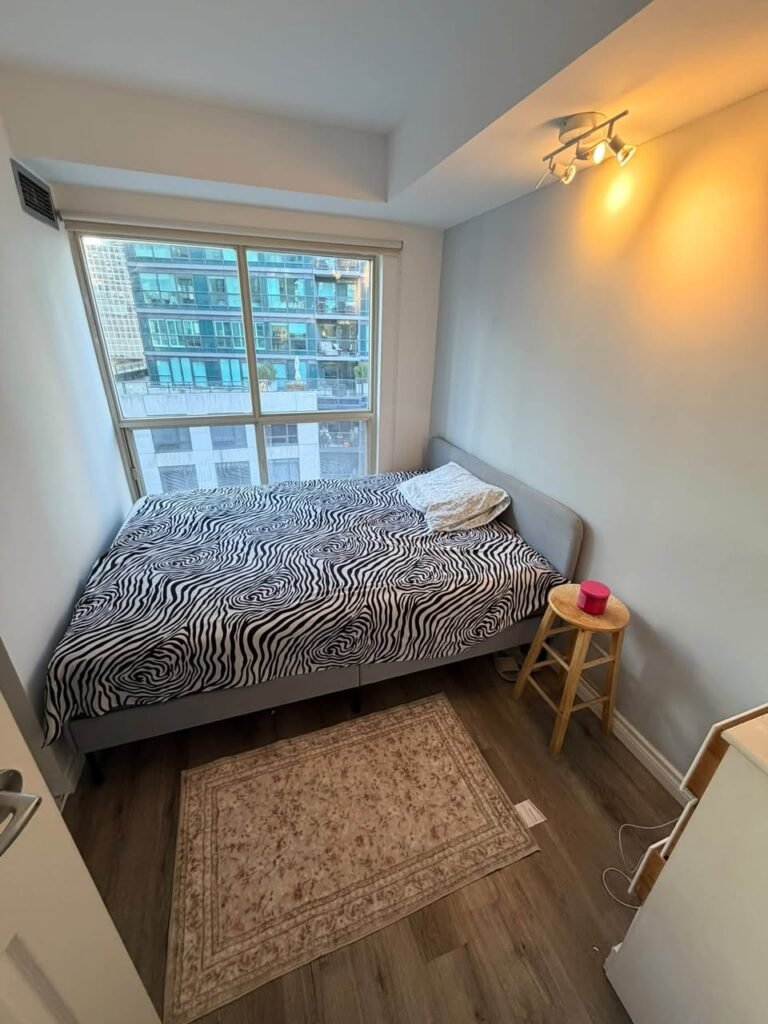
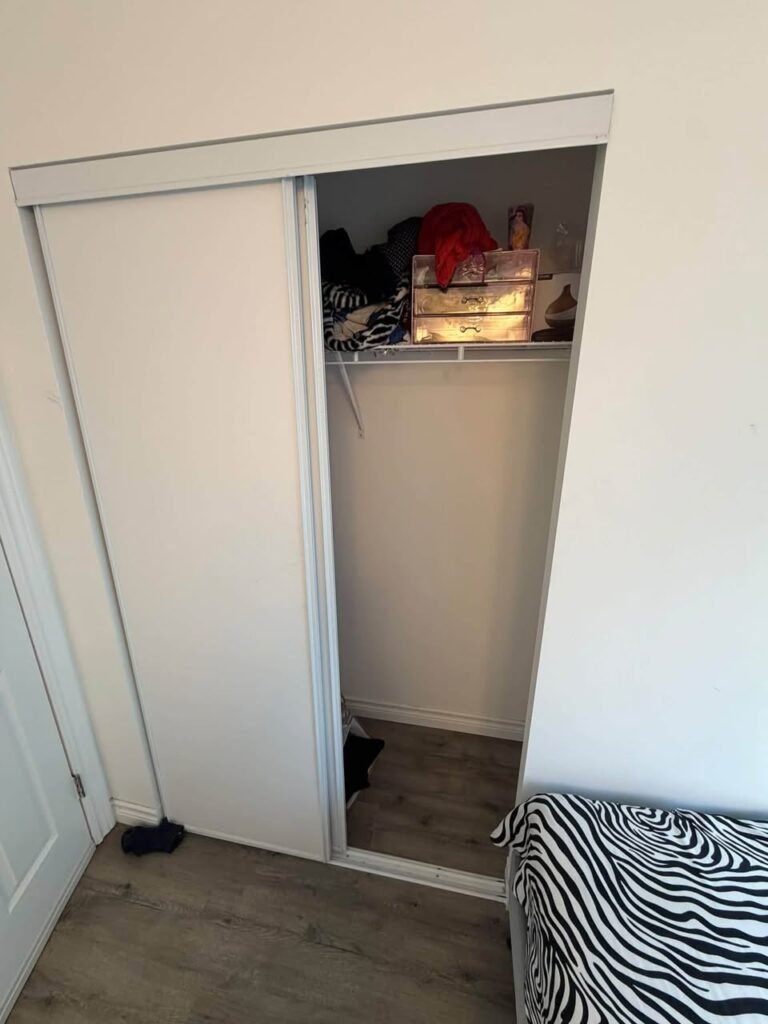
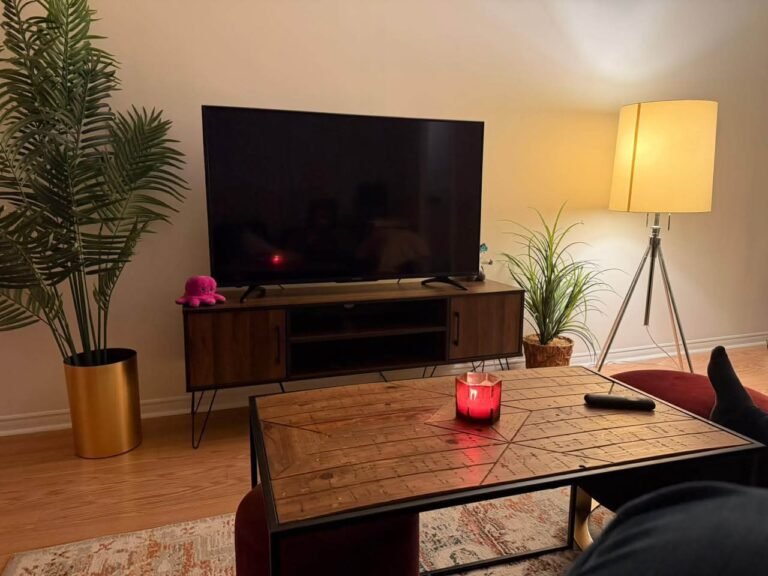

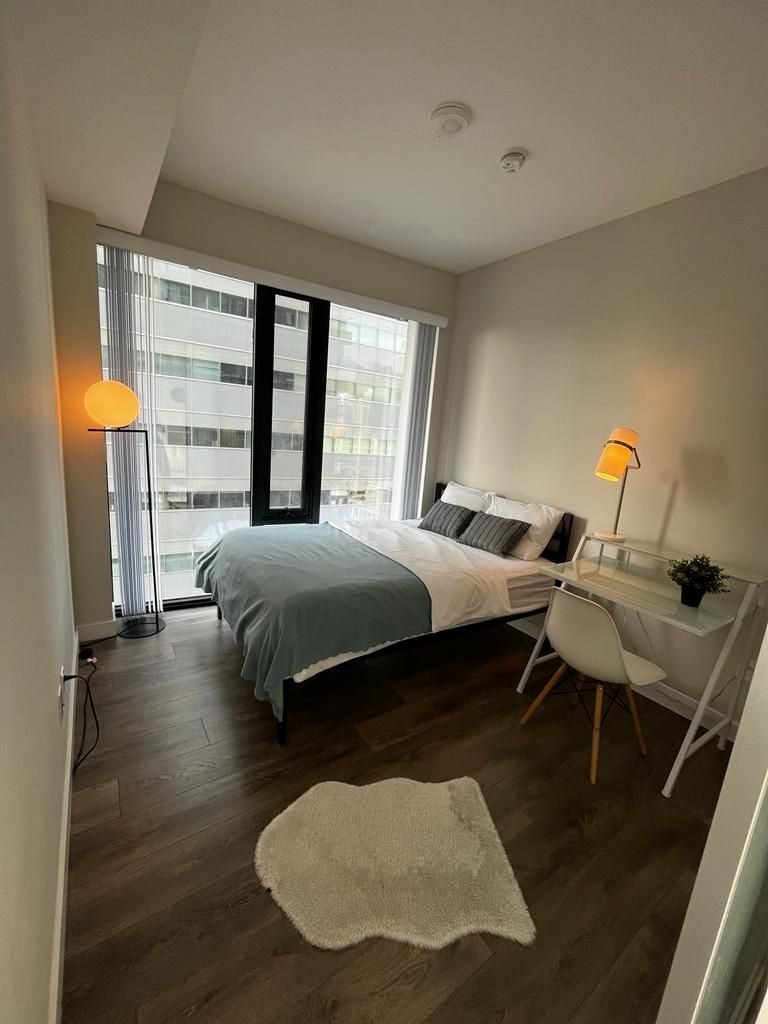
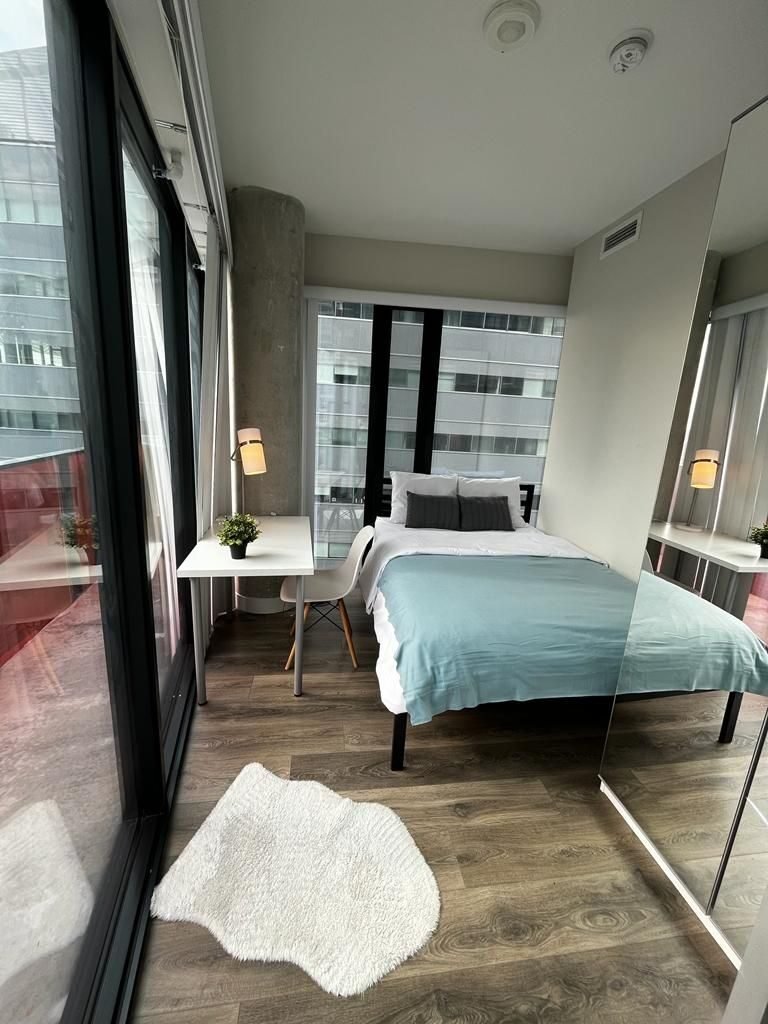
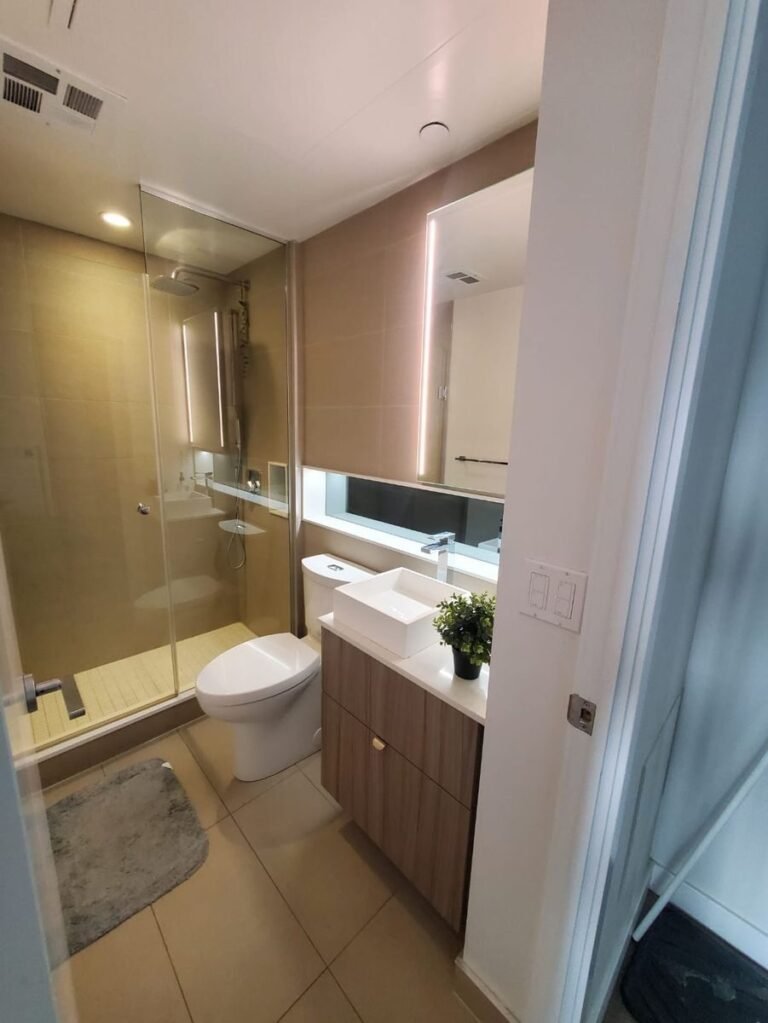

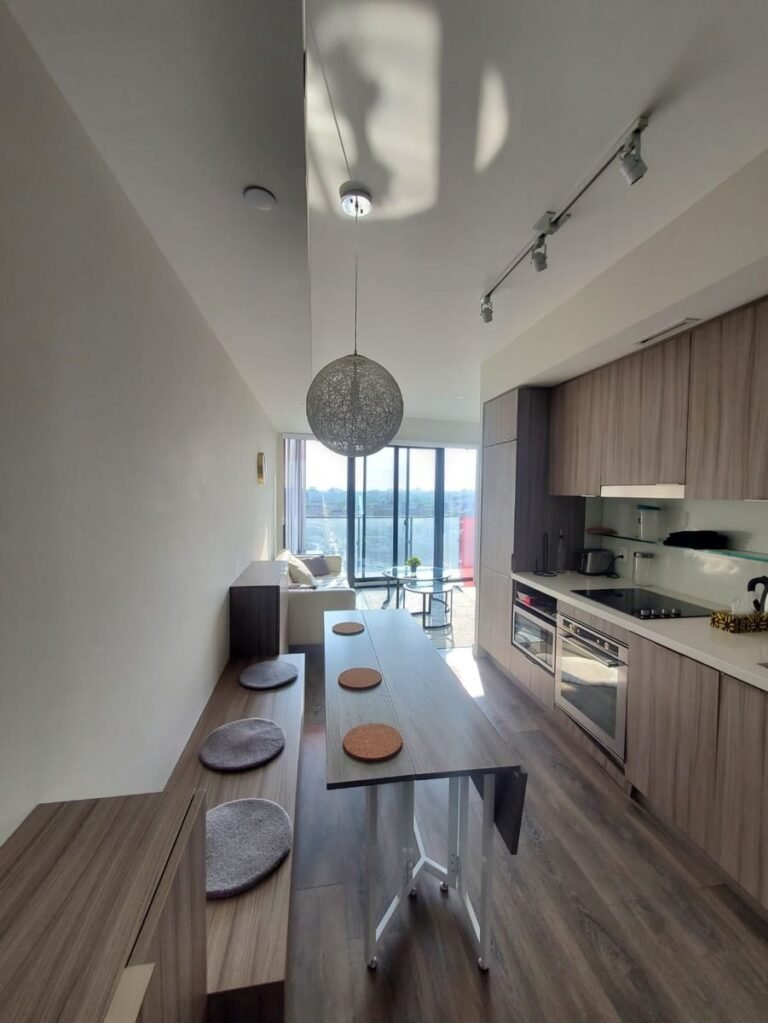
Private room
Deluxe Room – The Queen, 215 Queen St W
Toronto
- Beds: 3
- Baths: 2
+1 more at this address
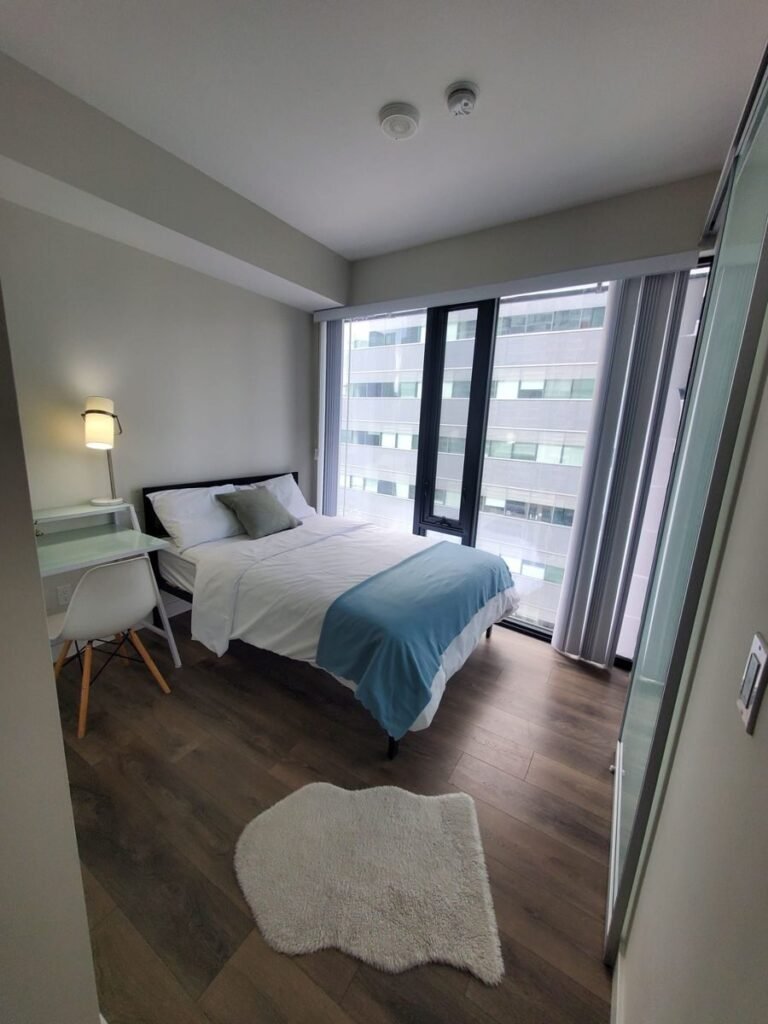
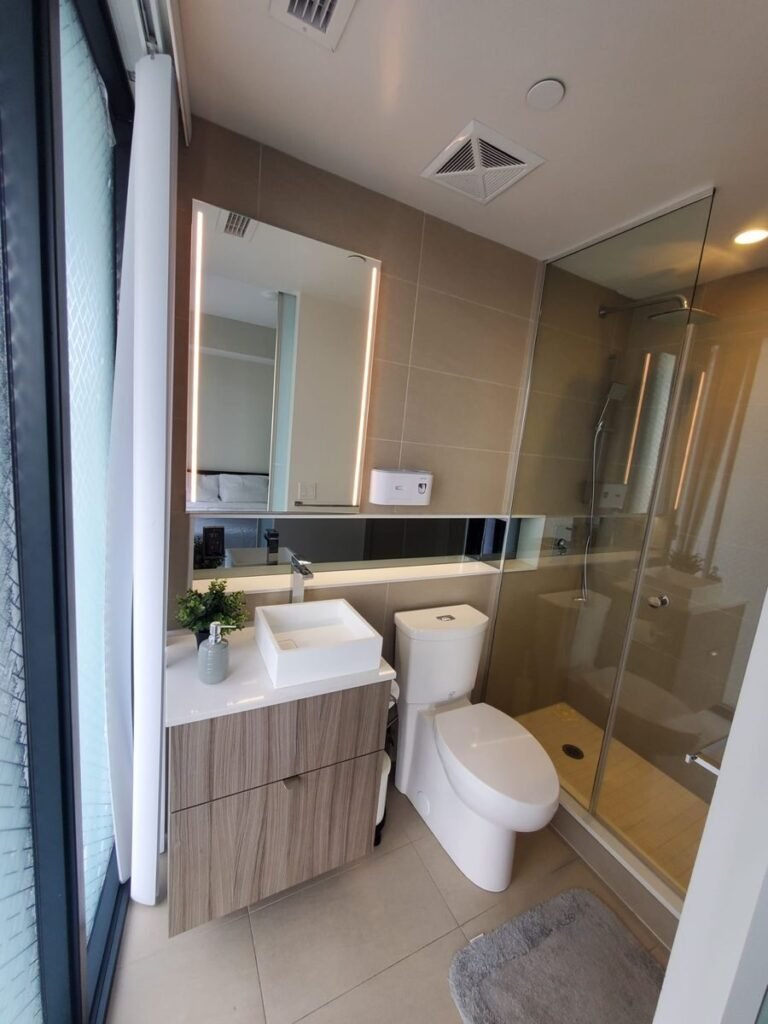
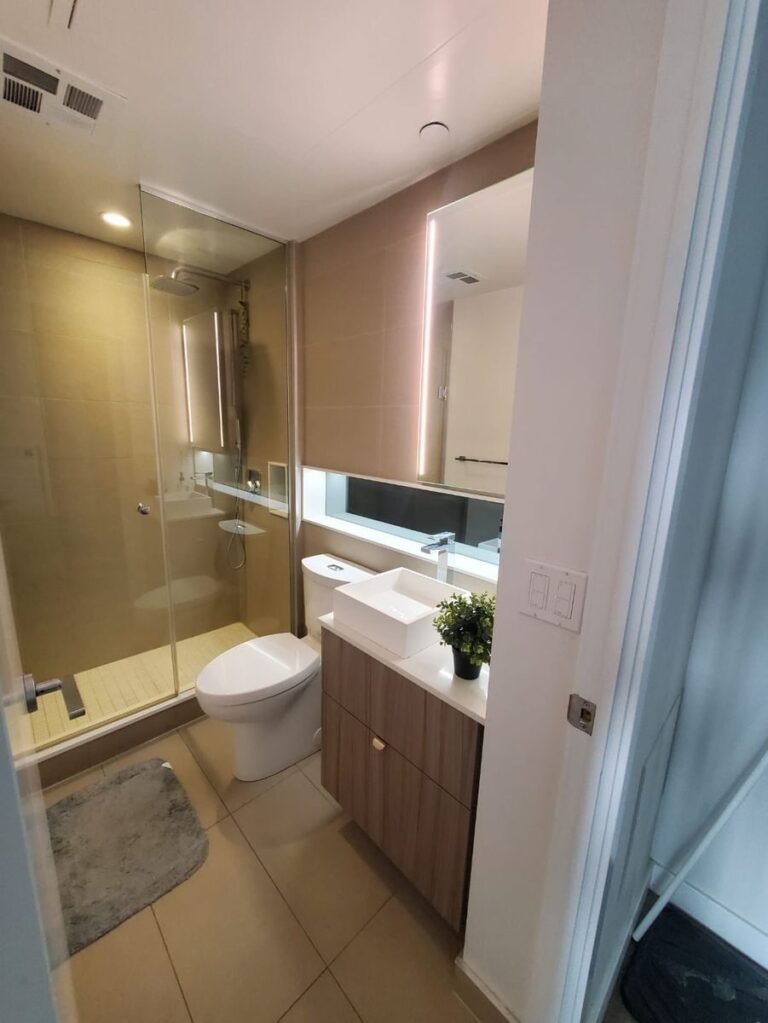
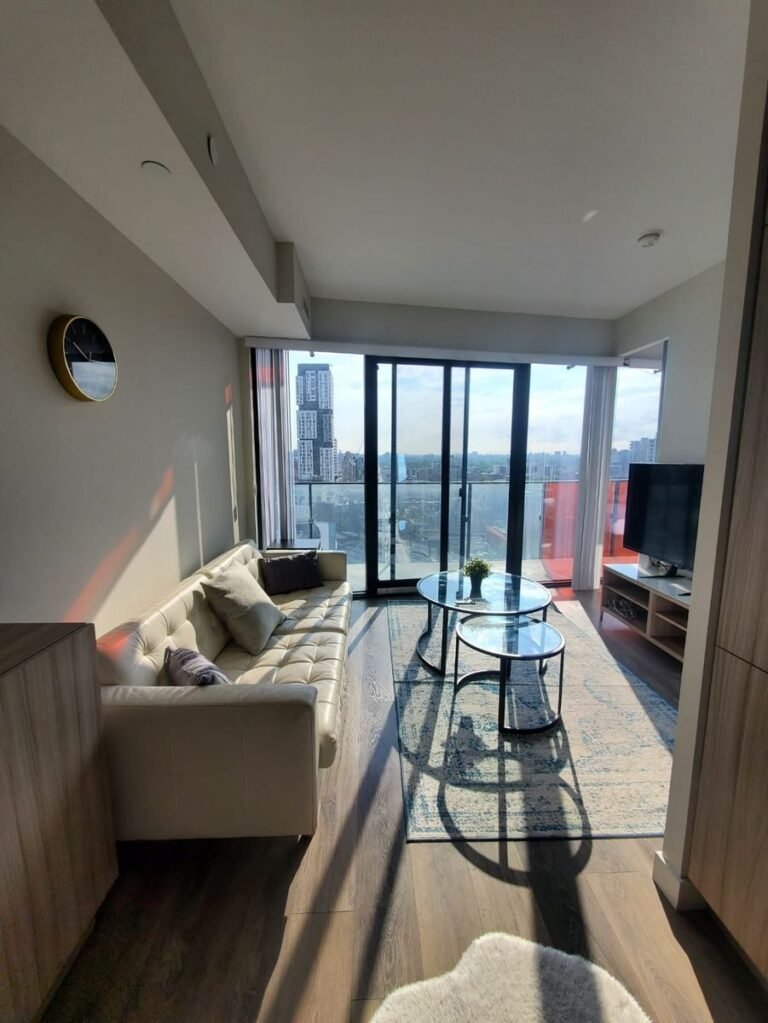

Ensuite room
Master Room & Ensuite Bath – The Queen, 215 Queen St W
Toronto
- Beds: 3
- Baths: 2
+1 more at this address
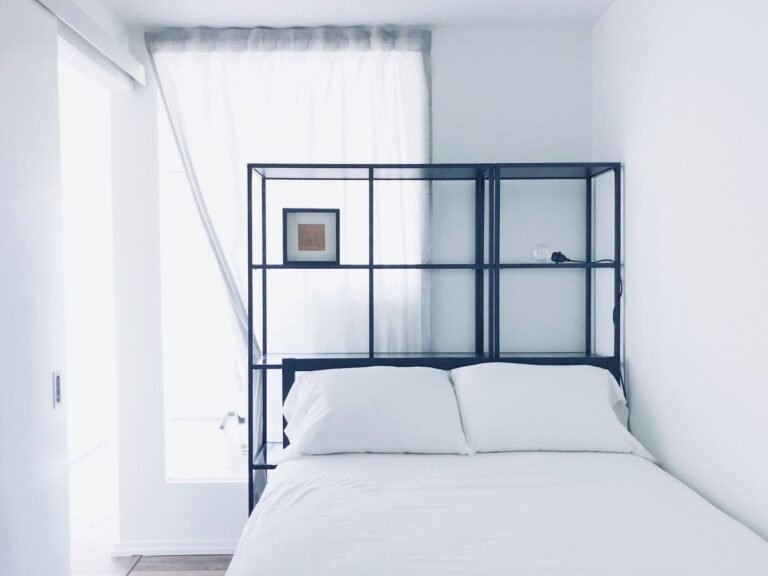
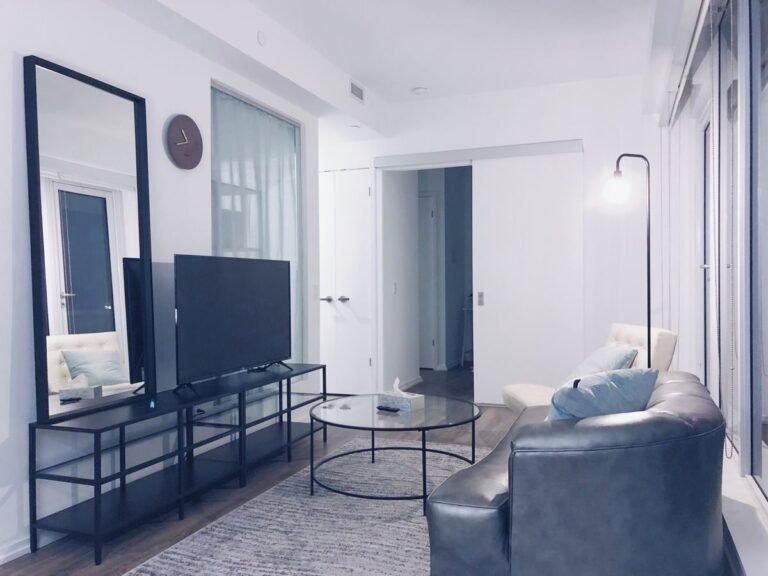

Private room
Private Basic – The Yonge, 197 Yonge St
Toronto
- Beds: 3
- Baths: 2
+2 more at this address
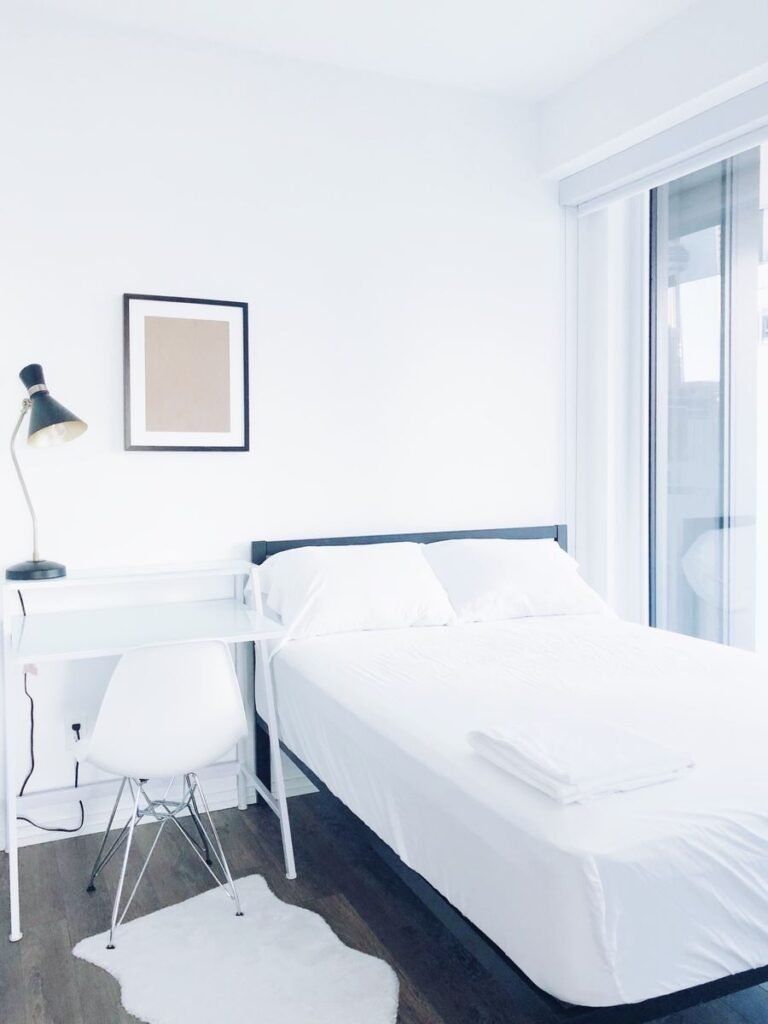
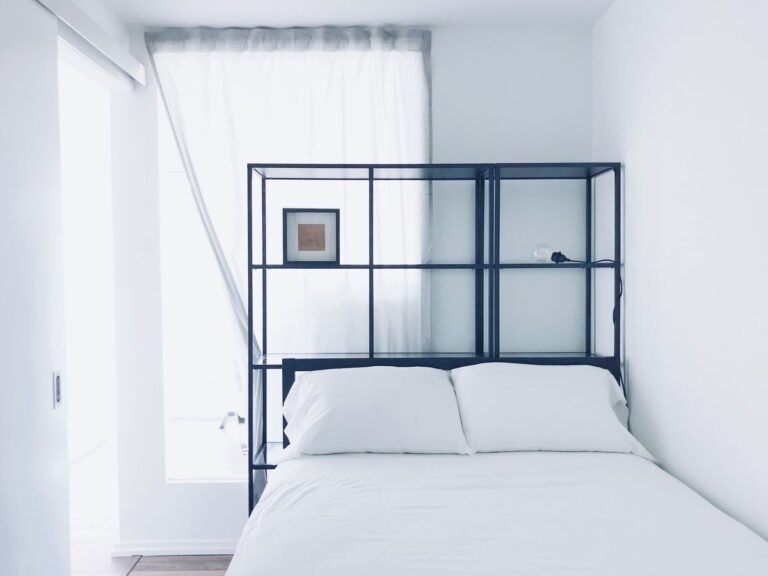
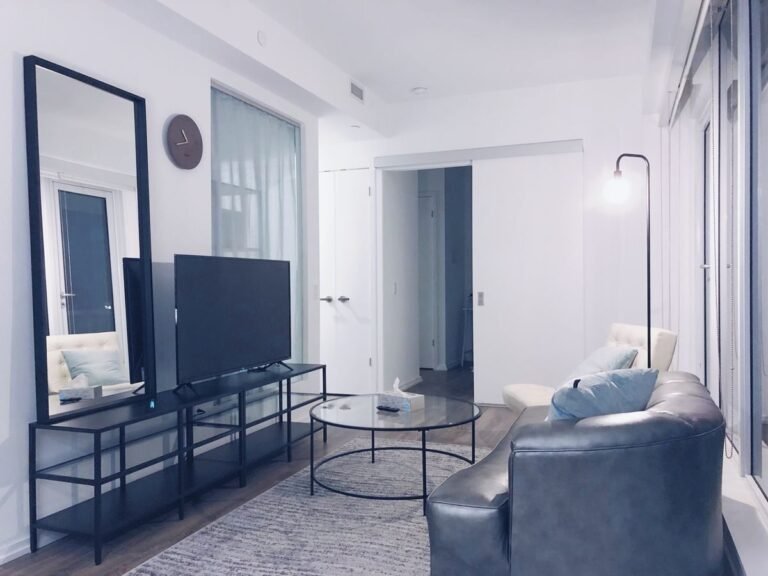
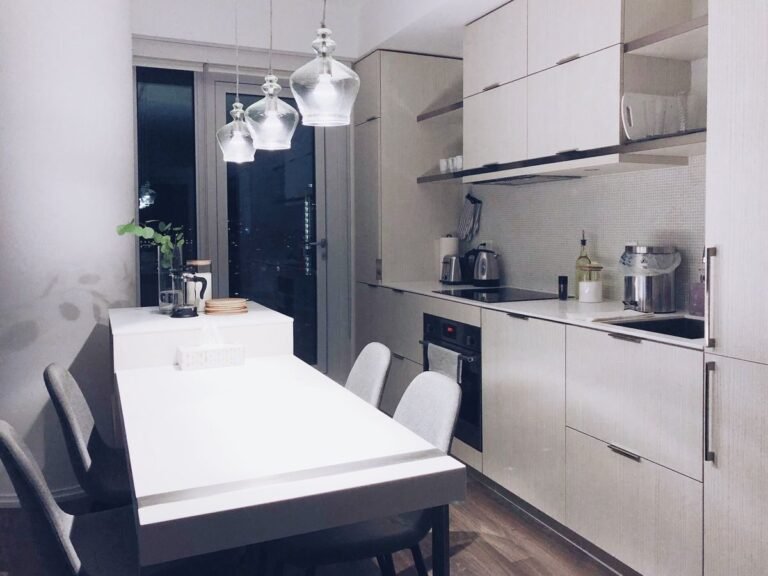
Private room
Deluxe Room (Male Only) – The Yonge, 197 Yonge St
Toronto
- Beds: 3
- Baths: 2
+2 more at this address
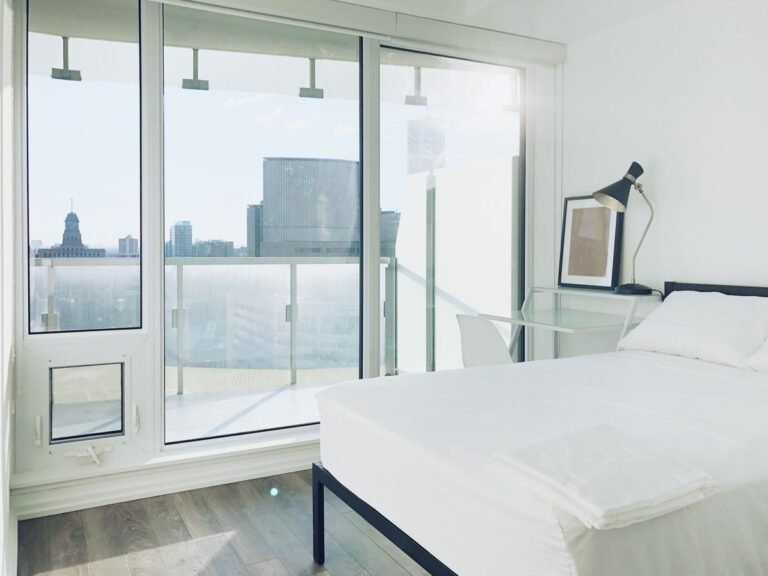
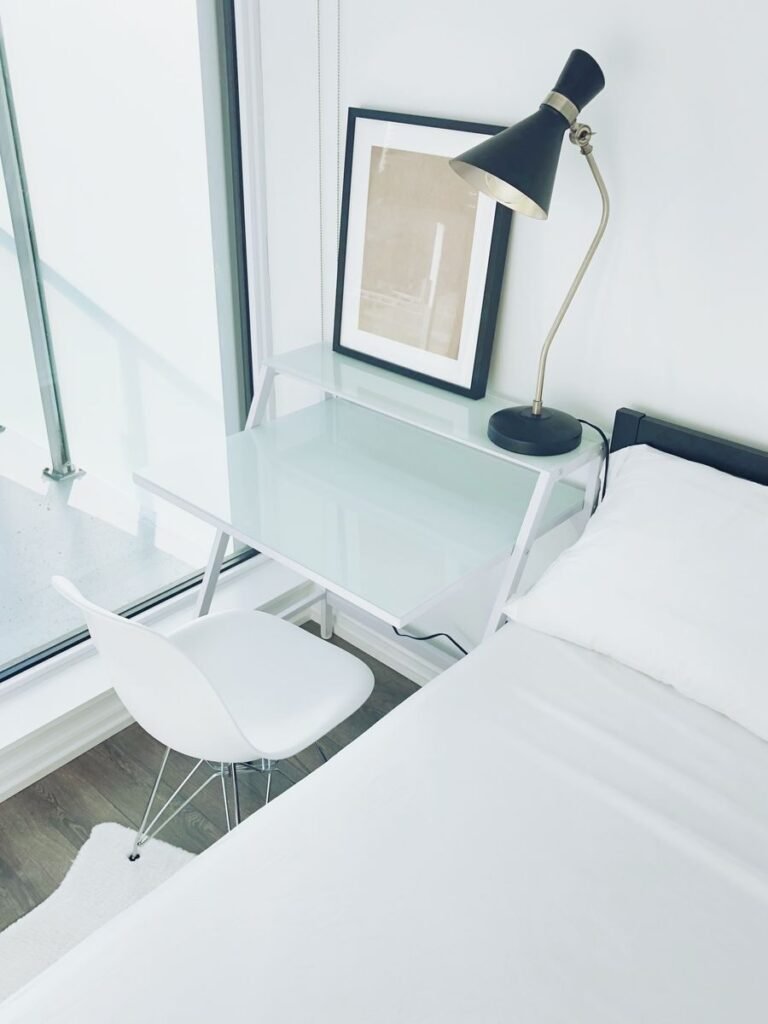
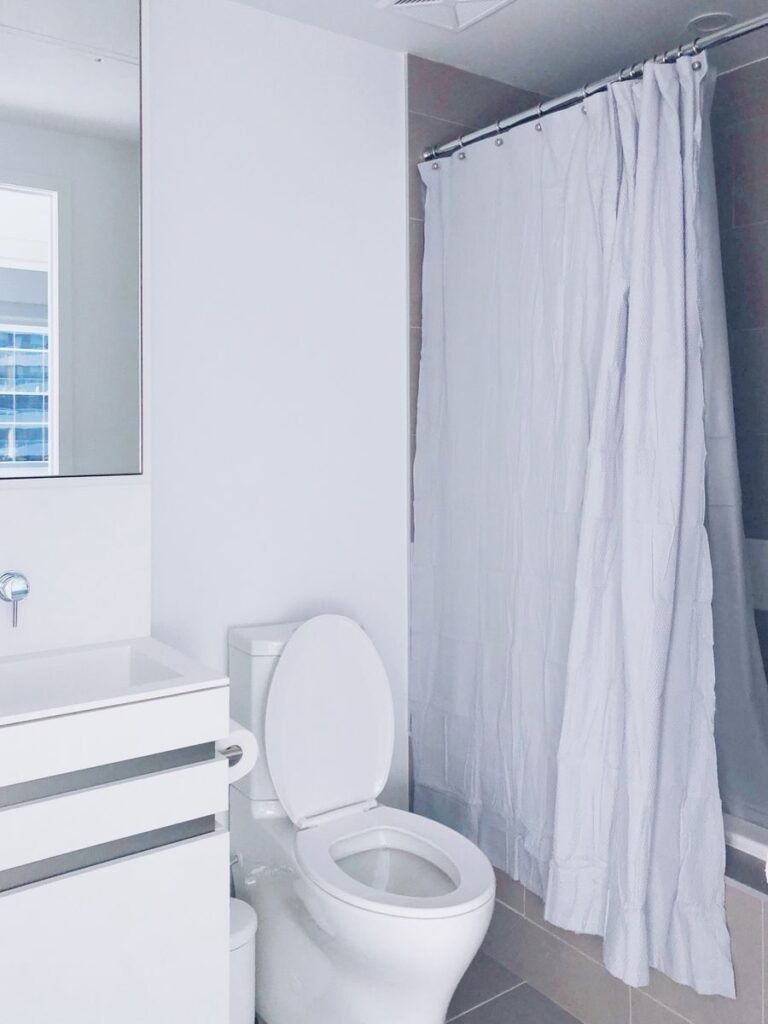

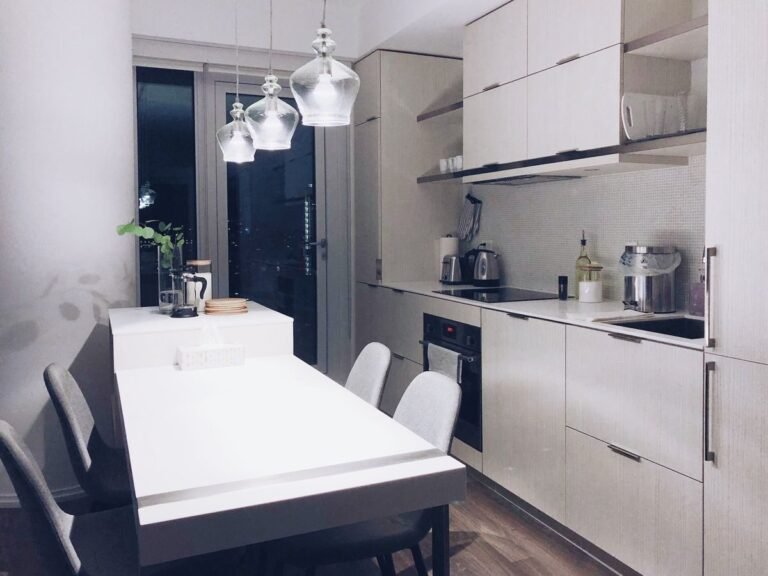
Ensuite room
Master Room & Ensuite Bath (Male Only) – The Yonge, 197 Yonge St
Toronto
- Beds: 3
- Baths: 2
+2 more at this address
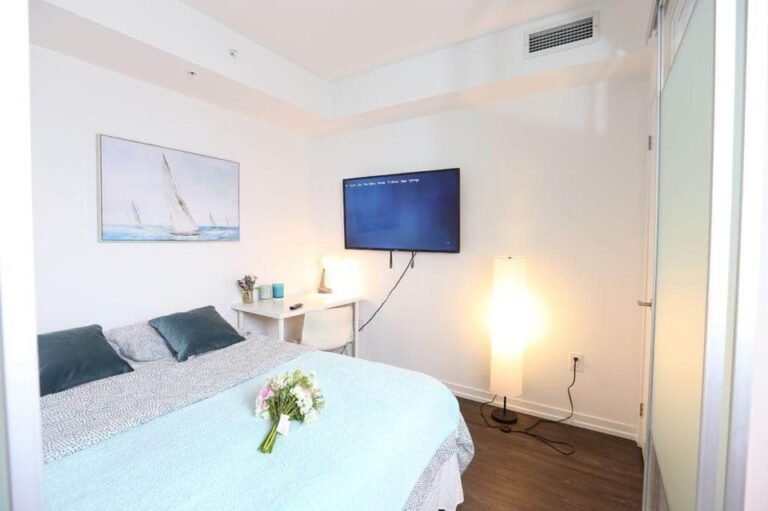
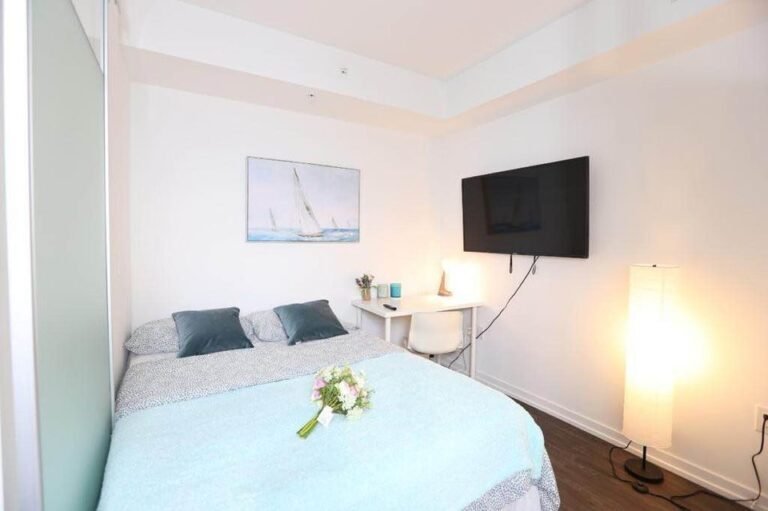
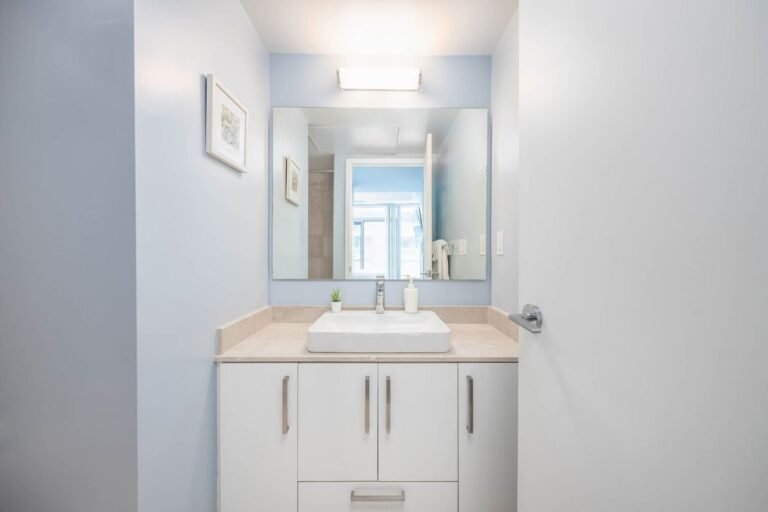
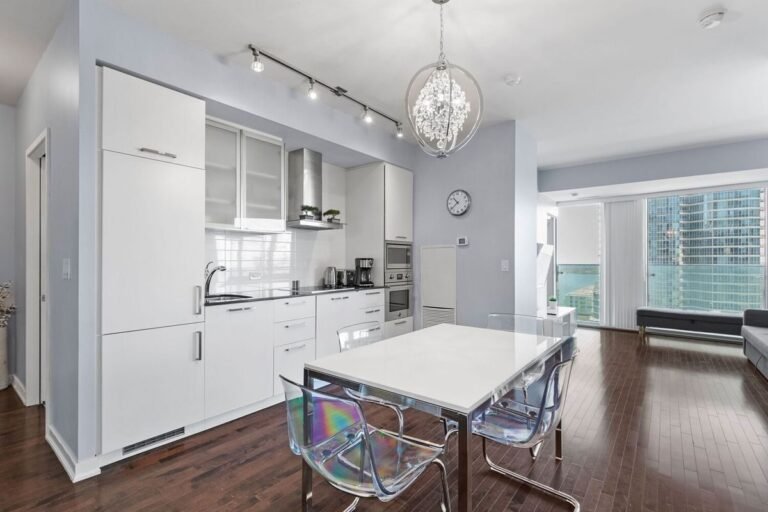

Private room
Private Basic – The York, 12 & 14 York St
Toronto
- Beds: 3
- Baths: 2
+3 more at this address
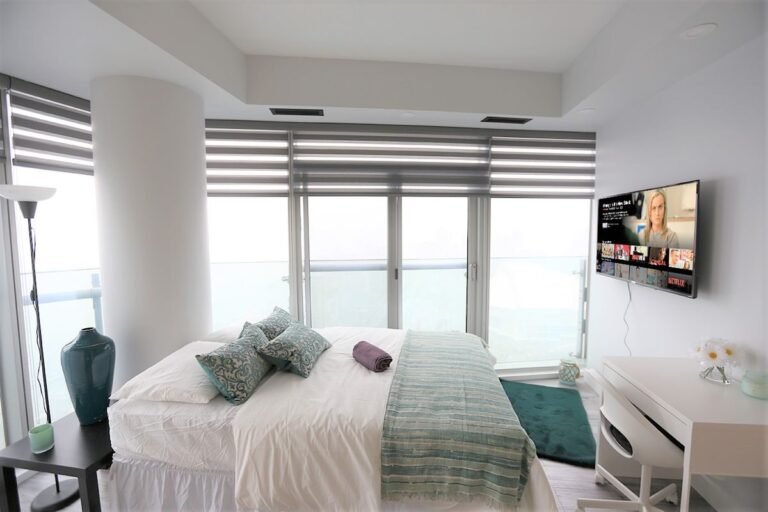
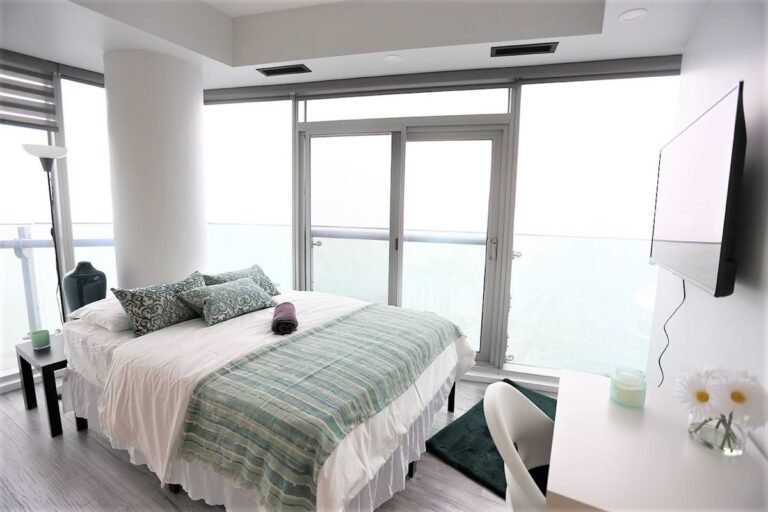
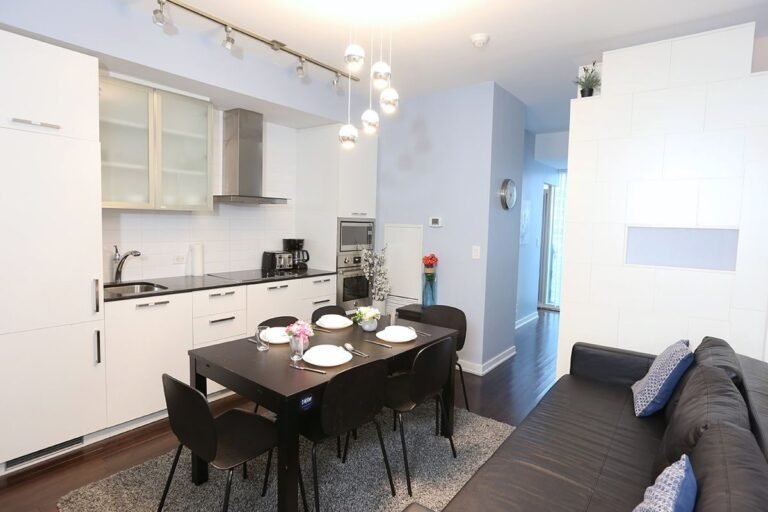
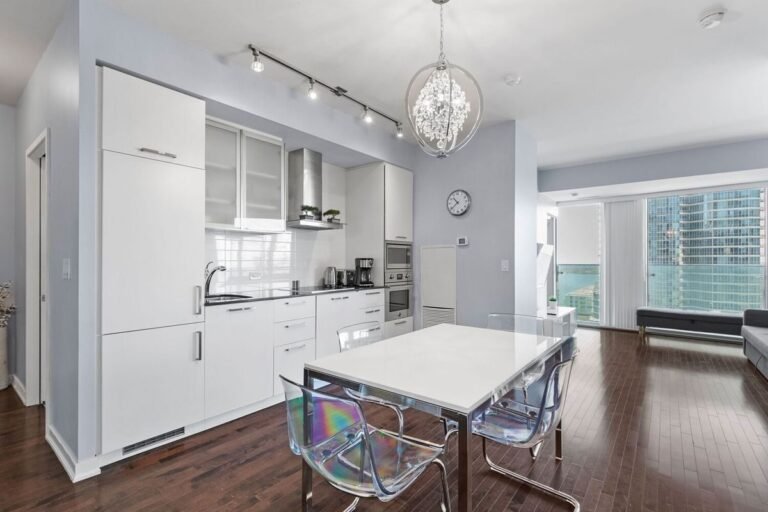
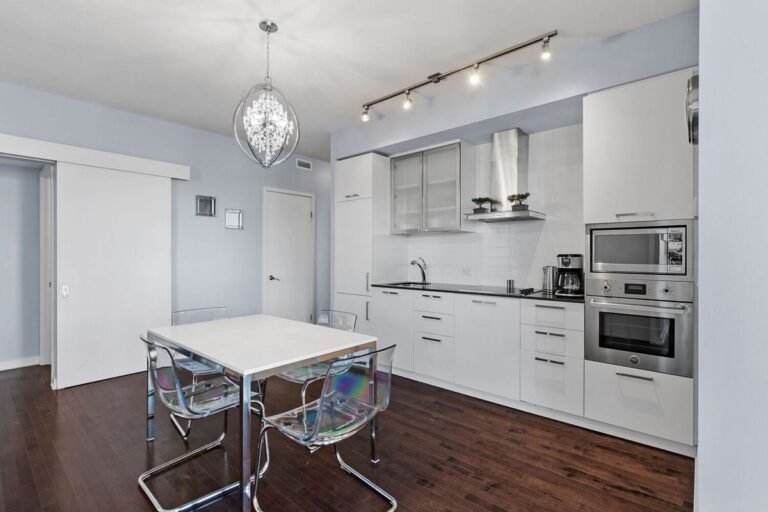
Private room
Flex Premium – The York, 12 & 14 York St
Toronto
- Beds: 3
- Baths: 2
+3 more at this address
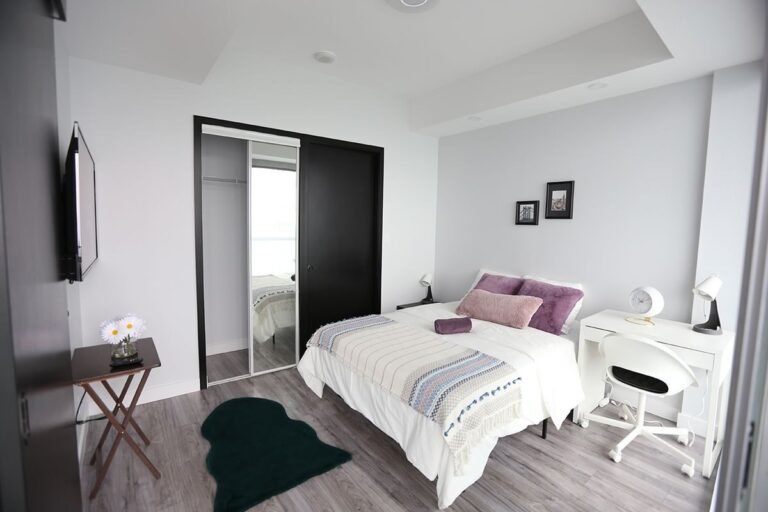

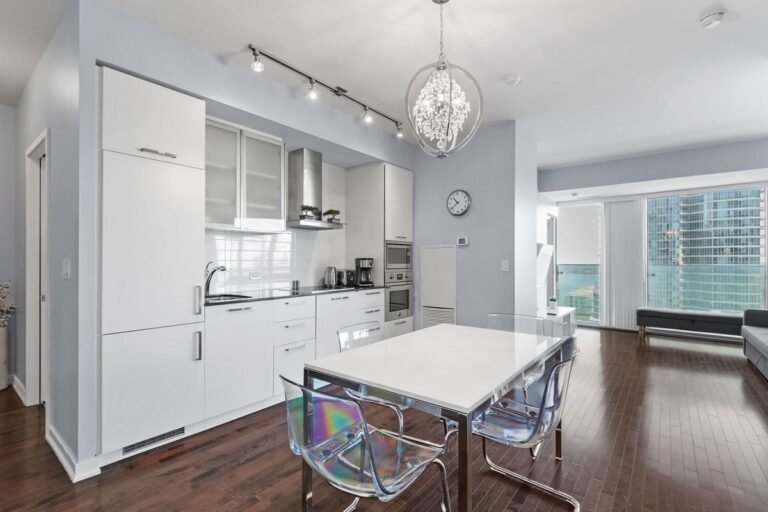
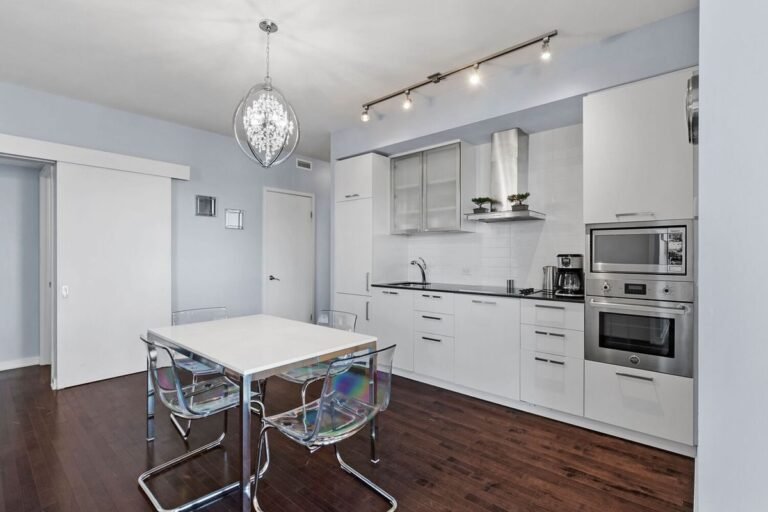

Private room
Deluxe Room – The York, 12 & 14 York St
Toronto
- Beds: 3
- Baths: 2
+3 more at this address
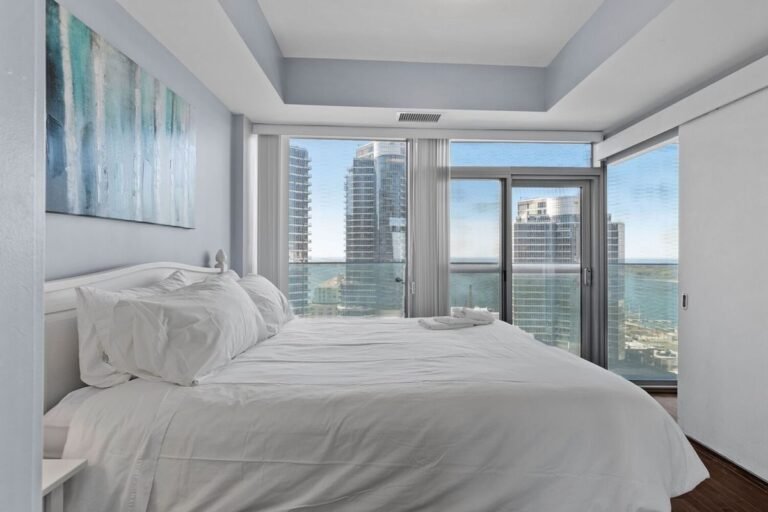
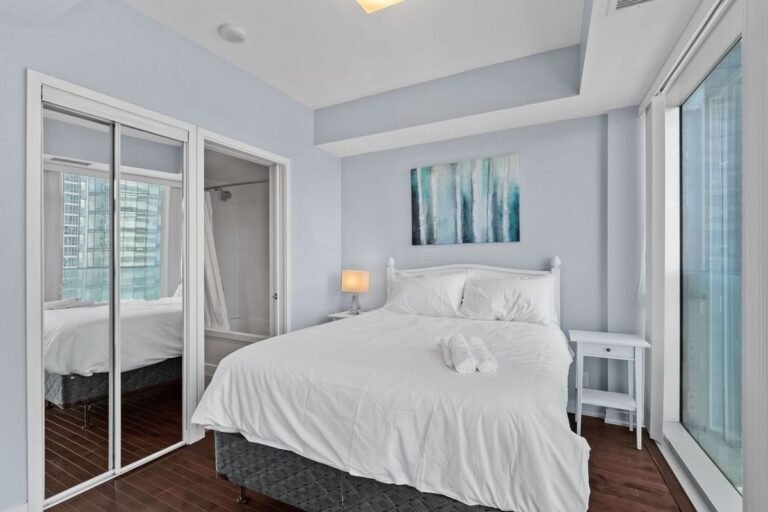

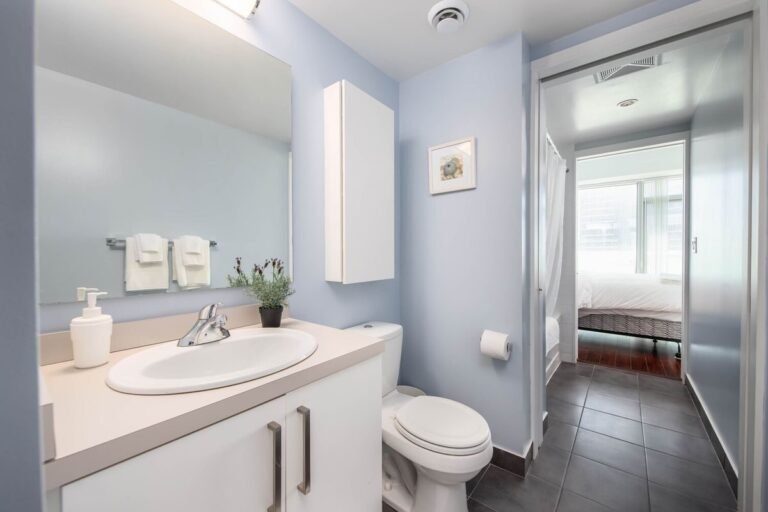

Ensuite room
Master Room & Ensuite Bath – The York, 12 & 14 York St
Toronto
- Beds: 3
- Baths: 2
+3 more at this address

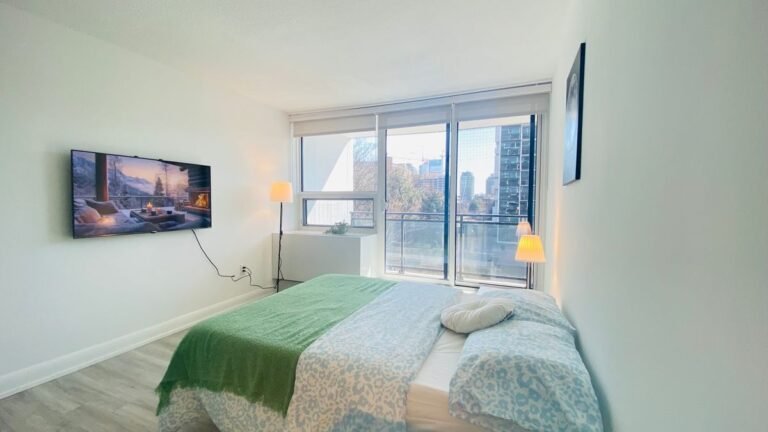


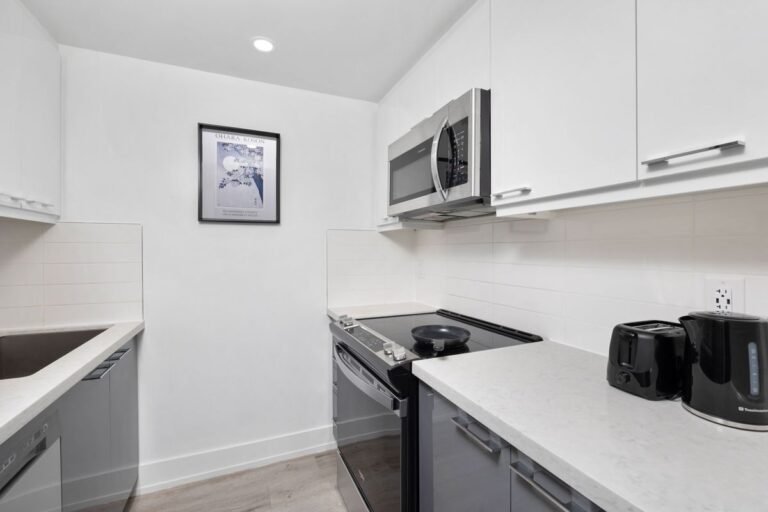
Private room
Deluxe Balcony – The Maddox, 201 Sherbourne St
Toronto
- Beds: 3
- Baths: 1
+2 more at this address
Rent by room type in Toronto
| Room type | Rooms live now | From | Typical |
|---|---|---|---|
| Private room | 28 | CA$953/month | CA$1,381/month |
| Ensuite room | 9 | CA$1,430/month | CA$1,972/month |
| Entire apartment | 3 | CA$2,250/month | CA$3,055/month |
| Entire house | 1 | CA$1,250/month | CA$1,250/month |
23 rooms at or below CA$1,500/month right now.
Live listings on Rentser today. Rooms priced by the week are shown as a monthly equivalent (weekly × 52 ÷ 12). Updated every hour.
Student Housing in Toronto: Complete 2026 Guide
Toronto hosts 296K+ post-secondary students at UofT, York, TMU, OCAD, George Brown, and Humber — Canada's largest student concentration. Median private-room rent $850-$1,300 CAD across 8 student neighborhoods, with Ontario rent control protections and a unique last-month-only deposit rule.
Toronto rooms right now
Why Toronto for Students
TL;DR
Toronto hosts 296K+ post-secondary students at UofT, York, TMU, OCAD, George Brown, and Humber — Canada's largest student concentration. Median private-room rent $850-$1,300 CAD across 8 neighborhoods. Ontario rent control caps annual increases at 2.5% in pre-November 2018 buildings; last-month-only deposit rule saves significant move-in costs vs. BC or Alberta.
Toronto hosts approximately 296,000 college students across more than 15 post-secondary institutions, making it the largest student concentration in Canada and one of the largest in North America. The University of Toronto (UofT, 97,000 students, 27% international) anchors the research university tier alongside York University (55,000 students, 26% international) — Canada's second-largest. Toronto Metropolitan University (TMU, 45,000 students, 22% international, formerly Ryerson) and OCAD University (5,500 students, 35% international — Canada's largest art and design school) round out the downtown core. Two UofT satellite campuses (UTSC + UTM) plus George Brown College and Humber College add another 90,000+ students at the suburban + polytechnic tier.
The Toronto Transit Commission (TTC) connects every major campus through four subway lines (Line 1 Yonge-University, Line 2 Bloor-Danforth, Line 4 Sheppard, plus the new Eglinton Crosstown LRT opening 2026), an extensive streetcar network, and GO Transit commuter rail. A monthly TTC student Metropass costs $116 — among the most expensive Canadian student transit passes, often subsidized to ~$70-80 through university student services. Most downtown campuses (UofT St. George, TMU, OCAD) are walkable to multiple subway stations.
Toronto's student infrastructure runs deep: Canada's largest concentration of academic libraries (UofT Robarts is the largest in Canada), the densest financial services + tech employer concentration in Canada (Bay Street + Toronto-Waterloo corridor), robust film and television production for media students, and Canada's most internationally diverse student community. Mandarin, Punjabi, Korean, Spanish, Tagalog, and Arabic landlord listings are common.
Compared to Vancouver or Montreal, Toronto offers larger scale (more academic options, more career pathways), the highest international student concentration in Canada, year-round rental turnover (unlike Quebec's July 1 moving day chaos) — at the cost of higher rents ($850-1,300 vs. Montreal $500-900), legendary Toronto winter cold snaps, and intense competition for downtown student-area housing.
Best Neighborhoods for Toronto Students
TL;DR
8 student neighborhoods: Scarborough ($800-$900) cheapest, Liberty Village ($1,250-$1,350) premium. Mid-range Annex ($1,150-$1,250) for UofT walking distance, Kensington Market ($1,050-$1,150) for OCAD walkability + multicultural immersion. The right pick depends on which campus you attend and your tolerance for commute.
| Neighborhood | Private Room (CAD) | Best for | Walk Score |
|---|---|---|---|
| Scarborough | $800-$900 | UTSC, budget | 65/100 |
| East York | $850-$950 | Subway, value | 75/100 |
| North York | $900-$1,000 | York Uni, transit | 80/100 |
| Kensington Market | $1,050-$1,150 | OCAD, cultural | 95/100 |
| Little Italy | $1,100-$1,200 | UofT, walkable | 93/100 |
| Annex | $1,150-$1,250 | UofT walking | 95/100 |
| Yonge-Eglinton | $1,200-$1,300 | Midtown subway | 90/100 |
| Liberty Village | $1,250-$1,350 | Tech-creative | 92/100 |
The right Toronto neighborhood depends on which campus you're attending, your tolerance for downtown vs. suburban commutes, and whether you prioritize student culture or quieter professional surroundings. Here are the eight areas Toronto students rent in most often, with average private-room rent ranges and trade-offs of each.
Scarborough ($800-$900)
East end Toronto, diverse multicultural suburb anchored by the Scarborough Town Centre. Mix of older single-family homes converted to shared rentals and newer mid-rise developments. SRT + bus connectivity to downtown adds 35-50 minutes commute. Best for UTSC students, York University commuters, and budget-conscious students. Strong South Asian, Filipino, Caribbean, and Chinese cultural amenities.
East York ($850-$950)
East end Toronto along Bloor-Danforth subway corridor, anchored by the Pape and Donlands subway stations. Older single-family homes converted to student shares + newer mid-rise condos. Direct Line 2 subway access provides 15-20 minute downtown commute. Best for budget-conscious UofT, TMU, and George Brown students wanting subway access, residential character, and Greektown-adjacent food scene.
North York ($900-$1,000)
North-central Toronto along the Yonge-Sheppard corridor. Modern condo developments dominate, with Line 1 (Yonge-University) + Line 4 (Sheppard) subway access. Best for York University students prioritizing subway connectivity, UofT graduate students wanting affordability + transit, and family-style shared living.
Kensington Market ($1,050-$1,150)
Bohemian heritage district directly west of UofT St. George campus. Walking distance to UofT, OCAD, and Chinatown. Older heritage homes and walk-up apartments converted to multi-student shares dominate. Best for UofT and OCAD undergraduates wanting immersion in Toronto's most culturally diverse market — multicultural food, vintage shopping, art galleries. Premium walkability without subway dependence.
Little Italy ($1,100-$1,200)
College Street West corridor anchored by Italian heritage restaurants and cafés. Mix of older heritage homes converted to shared rentals and newer mid-rise developments. Streetcar + bus connectivity to UofT and downtown. Best for UofT students, TMU undergraduates, and young professional graduate students.
Annex ($1,150-$1,250)
Directly adjacent to University of Toronto St. George campus, anchored by Bloor + Bathurst subway connections. Heritage Victorian houses converted to student shares dominate. Walking distance to UofT lectures, Bloor Street's restaurants and bookstores. The heart of UofT student life.
Yonge-Eglinton ($1,200-$1,300)
Midtown business district anchored by Yonge Line subway + the new Eglinton Crosstown LRT opening 2026. Modern condo developments dominate. Strong young professional density and walking proximity to midtown restaurants + retail. Best for graduate students, TMU upper-year students, and young professional shared living.
Liberty Village ($1,250-$1,350)
Tech-creative live-work loft district anchored by King West Streetcar + GO Transit access. Premium pricing reflects walking proximity to Toronto-Waterloo tech corridor employers, Bay Street finance internships, and CN Tower + Rogers Centre entertainment district. Best for TMU graduate students, OCAD upper-year students, and tech + creative-track students.
Universities and Off-Campus Housing
Pick your campus
University of Toronto
Total students97,000International27%On-campus beds~9,000
Best neighborhoods: Annex · Kensington · Yonge-Eglinton
York University
Total students55,000International26%On-campus beds~3,500
Best neighborhoods: North York · Vaughan
Toronto Metropolitan U
Total students45,000International22%On-campus beds~1,200
Best neighborhoods: Annex · Yonge-Eglinton · East York
OCAD University
Total students5,500International35%On-campus bedslimited
Best neighborhoods: Kensington · Little Italy · Queen W
George Brown + Humber
Total students64,000International26%On-campus beds~2,000
Best neighborhoods: East York · Cabbagetown · Etobicoke
Each Toronto university has its own preferred student neighborhoods, on-campus housing patterns, and lease norms. Here's the practical layout for the largest enrollment campuses:
University of Toronto (UofT) — Canada's largest university with three campuses: St. George (downtown, ~70,000 students), Scarborough (UTSC, 14,000), and Mississauga (UTM, 16,000). St. George students dominate Annex, Kensington Market, Little Italy, and Yonge-Eglinton. UofT Housing offers ~9,000 beds across all campuses — most upperclassmen and graduate students move off-campus. International graduate community concentrates in Annex and Yonge-Eglinton. UofT's Off-Campus Housing Office maintains the largest verified listings database in Canadian academia.
York University — Located in North York anchored by York University subway station. Most students live off-campus in North York, Vaughan, or commute from Scarborough/Mississauga. The Line 1 extension to Vaughan provides direct subway access. Strong commuter culture means 70%+ of York students live off-campus.
Toronto Metropolitan University (TMU) — Located downtown at Yonge-Dundas Square. Most students live off-campus in Annex, Yonge-Eglinton, Liberty Village, or East York. Walking distance to TTC subway from campus.
OCAD University — Canada's largest art and design school, located downtown adjacent to AGO. Highest international student percentage among Canadian universities. Most students live in Kensington Market, Little Italy, or Queen West.
George Brown + Humber Colleges — Polytechnic institutions with multiple campus locations. George Brown students cluster in East York, Cabbagetown, Riverdale; Humber students in Etobicoke or Liberty Village (Lakeshore campus).
For all Toronto universities, the structural pattern is the same: TTC subway access dominates housing decisions. Line 1 Yonge-University corridor is the most student-preferred. Line 2 Bloor-Danforth provides East York affordability with downtown access.
What It Actually Costs in 2026
TL;DR
Private-room rent: $800-$1,350 CAD/month. Last-month-only deposit rule (Ontario unique). TTC monthly pass $116 ($70-80 subsidized via student services). Winter clothing $300-500 first year. Renter's insurance recommended for pipe-burst + theft risk.
| Type | Range | Median | Includes |
|---|---|---|---|
| Shared room (3-4 BR) | $800-$1,100 | $950 | Utilities + WiFi typical |
| Private room (premium) | $1,100-$1,350 | $1,200 | Utilities + WiFi typical |
| Studio apartment | $1,750-$2,250 | $1,950 | Hydro extra ($80-$150) |
| 1-bedroom | $1,900-$2,500 | $2,200 | Utilities extra |
Per CMHC Rental Market Report Fall 2025 + TRREB Q1 2026 data, expect to pay these baseline private-room rents in student-popular neighborhoods. Costs vary by neighborhood by 60%+ ($800 in Scarborough vs. $1,350 in Liberty Village), reflecting walkability, university proximity, and tech/finance employer density.
Additional Toronto-specific costs to budget
- Ontario rent control — caps annual increases at 2.5% for 2026 in buildings first occupied before November 15, 2018. Newer buildings exempt — creating Toronto's two-tier market.
- Last-month-rent-only deposit (Ontario unique) — no first + last + security stack like BC or Alberta. Saves significant move-in costs.
- TTC monthly pass — $116 standard, but most universities offer subsidized Post-Secondary U-Pass through student services (~$70-80/month).
- Winter clothing investment — Toronto winters average -7°C but periodic deep freeze events hit -25°C with windchill. International students from warm climates budget $300-500 for first-winter gear.
- Renter's insurance — recommended for winter pipe-burst risk + theft rates ($120-180/year for $20K coverage).
- Year-round turnover advantage — Toronto rental market never fully freezes (unlike Quebec's July 1 chaos), giving flexibility for off-cycle moves.
International Student Tips
Toronto's 47% international resident population — among the highest in North America — creates the most diverse international student experience among Canadian cities, anchored by UofT's 27% international graduate community + OCAD's 35% international undergraduate concentration + York's 26% international population.
Best neighborhoods for international students
Annex for UofT walking proximity + academic culture; Yonge-Eglinton for transit + young professional integration; North York for York University + subway connectivity; Scarborough for diverse cultural amenities + UTSC + affordability; Kensington Market for multicultural immersion + OCAD walking distance.
University international student services
UofT's International Student Centre (ISC) provides housing assistance, study permit guidance, and roommate matching for the 27,000 international students across all three campuses. York University's International Student Services and TMU's Student Care Office maintain verified off-campus housing for international students arriving without Canadian credit history. OCAD's International Student Office offers comprehensive support.
Language diversity advantage
Toronto uniquely offers landlord listings and roommate matching in Mandarin, Cantonese, Punjabi, Korean, Spanish, Tagalog, and Arabic — significantly widening accepting-landlord pools for international students. Many international students find housing through cultural community networks beyond university channels.
International student popular neighborhoods
Chinese students: Markham, North York, Scarborough. Punjabi students: Mississauga, Brampton, Scarborough. Korean students: North York, Yonge-Bloor corridor. Filipino students: Scarborough, North York. Latin American students: Junction, Kensington Market, College West.
How to Find Student Housing in Toronto
The Toronto student housing search has a fundamentally different rhythm than smaller Canadian cities. Toronto's continuous year-round turnover (unlike Quebec's July 1 chaos) provides flexibility, but academic year peaks + international student arrival waves create intense competition August-October.
Step 1: Define your budget against actual Toronto baselines
A UofT student targeting Annex at $1,200 CAD/month plus utilities faces a different financial reality than a UTSC student in Scarborough at $850 CAD/month. Account for Ontario's last-month-rent-only deposit, TTC U-Pass, winter utility costs, and possible parking if commuting to suburban campuses.
Step 2: Browse Rentser's curated Toronto listings
Filter by price and room type. private room. Message landlords directly on Rentser about lease terms, rent control status (pre-2018 vs. post-2018 building — critical for renewal protection), and language preference.
Step 3: Verify Ontario-specific lease terms before signing
Ontario's last-month-rent-only deposit rule is unique — verify your lease isn't asking for multi-month deposits. Confirm rent control status. Verify utility-inclusion status and winter parking arrangements.
Step 4: Time your move-in
August-September aligns with academic year start (peak competition). Toronto's continuous turnover means December-February offers thinner inventory but motivated landlords. May-July offers off-cycle value windows before September peak.
All Toronto room rental guides
Compare every Toronto rental type — student, working-professional, shared, furnished, studio, and budget options.
TorontoRent a RoomTorontoShared LivingTorontoFurnished Rooms on RentTorontoStudio on RentTorontoFind a RoomTorontoStudent AccommodationTorontoStudent RentalsTorontoStudent LivingTorontoRooms on RentTorontoShared Rooms on RentTorontoFind a Room on RentTorontoStudio Apartment
About this guide: Updated quarterly using Ontario Residential Tenancies Act + Landlord and Tenant Board + CMHC Rental Market Report Fall 2025 + Rentals.ca Toronto Q1 2026 + Toronto Regional Real Estate Board + Statistics Canada 2026 Census.
By the Rentser Editorial Team · Last updated June 2026 · For information only; consult a qualified attorney for legal advice.
Live · Toronto · Under $1,200
Student rooms available now
Bedroom · Annex10 min walk to UofT$1,150Shared · ScarboroughUTSC adjacent$850Studio · Yonge-EglintonLine 1 to UofT 18 min$1,180
Cross-theme
Need a roommate?
Take our 90-second roommate quiz to match with Toronto students by university, lease length, and budget.
Quick links
- Renting in Toronto: market guide
- People looking for a room in Toronto
- Movers, cleaners and other services in Toronto
More in Toronto: Rooms for Rent in Toronto · Studio Apartments in Toronto · Find a Roommate in Toronto · Shared Living in Toronto · Coliving in Toronto
Rooms for rent in other cities: Edmonton · Montreal · Ottawa · Vancouver
More Toronto student housing guides
Student Living in Toronto: 2026 Cost of Living + Monthly Budget Guide
What does student life actually cost in Toronto? Whether you're a parent budgeting for your child's upcoming year at the University of Toronto, an international student calculating remittance from home, or a graduate student weighing stipend offers across Canadian cities, Toronto student living in 2026 requires planning...
Toronto Student Cost Snapshot
A typical Toronto student spends $1,800-$2,800 CAD per month on cost of living (excluding tuition), translating to $21,600-$33,600 annually. The variance reflects lifestyle choices: frugal cookers in shared houses at the lower end, comfortable cooking-light eaters in Annex apartments at the upper end.
Three lifestyle tiers:
Cost driver: Housing dominates Toronto budgets — accounting for 50-65% of monthly spending vs Vancouver's 60-70% and Montreal's 40-50%. Choosing budget housing (Scarborough shared room: $850) vs premium (Annex private apartment: $1,500) creates $7,800 CAD annual difference with otherwise identical lifestyle.
Compared to other Canadian cities: Toronto sits 22% more expensive than Montreal ($1,800 standard vs $1,400), 8% more expensive than Vancouver ($1,900), and 35% more expensive than Edmonton ($1,300). Compared to US cities, Toronto is 25-30% cheaper than NYC and Boston but 15-20% more expensive than Austin.
International student premium: Add $200-$400 CAD/month for international students for visa-related costs (UHIP healthcare premium, additional banking fees, currency exchange costs, occasional flights home). International student annual cost: $24,000-$36,000 CAD before tuition.
Employer hubs
Manufacturing
Key districtManufacturingNearby areasLiberty Village · Yonge-Eglinton · AnnexSectorManufacturing
Insurance + Professional Services
Key districtInsurance + Professional ServicesNearby areasAnnex · Kensington Market · Little ItalySectorInsurance + Professional Services
International Trade
Key districtInternational TradeNearby areasLittle Italy · East York · ScarboroughSectorInternational Trade
Monthly Budget Breakdown
Housing: $850-$1,500 CAD/month (47-55% of standard budget)
Toronto housing dominates student budgets. Average private room in shared house: $1,050-$1,250 CAD in Annex/Kensington/East York. Studio apartments: $1,750-$2,200. Shared bedroom in budget houses (Scarborough/Etobicoke): $700-$900. Off-campus housing inflates by 20-40% in apartment buildings vs basement apartments. See Toronto Student Housing and Toronto Student Rentals for detailed breakdowns.
Food + Groceries: $350-$700 CAD/month
Cooking from groceries: $350-$450/month for solo students. Toronto groceries cost approximately 5-10% above Canadian average. Major grocers: Loblaws (premium, $$$$), No Frills (budget, $$), Metro (mid-range, $$), Walmart Grocery (lowest, $). International student typical: $50-$80/week ($217-$347/month).
Eating out: Adds $200-$500/month. Toronto restaurant scene from $12 Thai noodle bowls (Chinatown, Spadina) to $200 omakase. Average lunch: $14-18. Coffee: $4-6. Beer at restaurant: $7-10. Conservative budget for occasional eating out: $250/month. Frequent eaters easily spend $500+.
Transit: $156 CAD/month (Toronto Transit Commission monthly pass) → $146 with student Presto card discount
TTC's monthly pass works across subway, streetcars, and buses. Student discount via Presto: $146/month for full-time students enrolled at Toronto institutions. GO Transit (commuter rail to suburbs) costs $170-$250/month for off-Toronto students. Uber/Lyft supplement budget: $30-$80/month for late-night returns + weekend trips. Total transit budget: $200-$280/month.
Utilities + Internet: $50-$130 CAD/month
In shared house: Utilities (heat, water, electricity) typically $50-$80/person for 2-3 person split. Internet (shared): $15-$25/person for fibre 500-1000 Mbps. In apartment building: Utilities often included or run $40-$80/month. Internet separate (Rogers/Bell): $50-$80/month.
Phone Plan: $35-$65 CAD/month
Major carriers: Bell, Rogers, Telus. Discount carriers (Public Mobile, Freedom Mobile): $25-$45/month. International students often use prepaid plans initially. Reliable phone essential for safety + family communication.
Books + Course Materials: $1,500-$3,000/year ($125-$250/month average)
Toronto textbook costs run high. Strategies: Library borrowing first (UofT Robarts Library is North America's largest academic library), then digital rentals (Chegg, Vital Source), then used books (Toronto's BMV Books at Bloor + Bathurst is iconic). Some students spend $500-$1,000 less by aggressive used/digital approach.
Entertainment + Social: $150-$500/month
Concert tickets at Toronto venues: $35-$300 (Massey Hall, Massey Hall, Drake, Coca-Cola Coliseum, RecreationFest at the Beach). Sports: Maple Leafs ($150-$500/seat), Raptors ($100-$400), TFC soccer ($30-$80). Bar drinks: $7-12 per drink at Annex/Kensington/Queen West. Movies: $14-18. Conservative: $150/month. Active social student: $500+/month.
Healthcare: $30-$80 CAD/month for international students
Canadian residents covered by Ontario Health Insurance Program (OHIP) at no cost. International students need University Health Insurance Plan (UHIP) at UofT/TMU/York — $612-$720/year (~$50-$60/month). Some universities include in tuition; others bill separately.
Personal Care + Clothing: $50-$200/month
Winter coat investment: $200-$500 one-time (Canada Goose: $1,200, lower-end alternatives Aritzia/Uniqlo: $200-$400). Toronto's harsh winter requires good boots ($150-$300) and gloves/hat layers. Beyond initial winter prep, ongoing clothing: $50-$150/month.
Emergency + Travel: $50-$200/month
Annual flight home (international students): $500-$1,500 per round trip depending on origin. Toronto-Beijing/Shanghai: ~$1,200. Toronto-London: ~$700. Toronto-Mumbai: ~$1,000. Toronto-Mexico City: ~$500. Amortized monthly: $50-$125. Emergency buffer: $50-$100/month.
Part-Time Work Options + Income Potential
Toronto offers extensive student work opportunities — on-campus and off-campus combined can offset $400-$1,200 CAD monthly cost.
On-campus work-study programs:
- University of Toronto Work-Study Program pays $20-$26/hour for 10-15 hours/week. Applications open March-April for fall positions. Library/research/admin roles.
- York University Career Centre lists similar positions $18-$24/hour.
- TMU Career Boost offers student employment with on-campus departments at $17-$22/hour.
- OCAD posts campus jobs less frequently but offers studio support work at $20-$25/hour.
Earnings potential: $200-$390/week during academic year (10-15 hrs × wage).
International student work hour limits:
- F-1/study permit holders (Canada): 20 hours/week during academic terms, 40 hours/week during scheduled breaks (winter, summer)
- Post-Graduation Work Permit (PGWP) eligibility after graduation
- CO-OP/Internship allowed for academic credit programs
Off-campus part-time options:
- Retail (Toronto Eaton Centre, Yorkdale, CF Sherway Gardens): $15-$18/hour minimum wage + commission
- Food service: $15.50-$18/hour ($15.50 Ontario minimum wage + tips ~$5-$15/hour)
- Coffee shop barista (Starbucks, Tim Hortons, Aroma): $15.50-$18/hour + tips
- Tutoring (via Tutorbright, Varsity Tutors, university referrals): $25-$60/hour
- Research assistantship + teaching assistant: $22-$30/hour at graduate level
- Gig economy (Uber Eats, DoorDash, Instacart): $18-$28/hour estimated (highly variable)
Summer internship potential:
Toronto's industry strength creates excellent summer earnings:
- Banking (Bay Street): $20-$30/hour for student internships at Big 5 (RBC, TD, BMO, ScotiaBank, CIBC)
- Tech corridor (Shopify, Google, Microsoft): $25-$40/hour
- Consulting (KPMG, Deloitte, EY, PwC): $22-$28/hour
- Government internships: $20-$25/hour
- Healthcare research: $22-$28/hour
Estimated net monthly income range:
- Low (10 hrs/week minimum wage): $620/month
- Mid (15 hrs/week mixed wage): $1,000/month
- High (20 hrs/week + tutoring/research): $1,800/month
Tax considerations: Students earning income file Canadian T1 income tax. International students earning >$15,705 (basic personal amount 2026) pay tax. Most Toronto student income falls below this threshold initially.
Cost of Living vs Other Cities
Comparing Toronto to other major North American student cities helps families and prospective students contextualize affordability:
UK comparison:
- London £1,400 GBP/month standard student = CAD $2,400 — comparable to Toronto premium ($2,400-$2,800 CAD)
Why Toronto pricing falls where it does:
- Vs Montreal: Stronger employment market + Bay Street finance + Hollywood North film production push housing premiums; Montreal benefits from Quebec rent control on older buildings + post-July-1 moving day market efficiency
- Vs Vancouver: Vancouver outpaces Toronto on housing premiums due to international ownership investment; Toronto stays slightly behind
- Vs Edmonton: Toronto's banking + tech + film concentration drives 27% premium
For families budgeting, Toronto sits comfortably in the upper-middle bracket of North American student cities — significantly cheaper than NYC/Boston but pricier than Austin/Montreal.
International Student Cost Considerations
Toronto's international student community spans ~50,000 students across UofT, York, TMU, OCAD, George Brown, and other institutions — bringing unique cost considerations beyond domestic student baseline.
Tuition differential — International undergraduate tuition runs $50,000-$67,000 CAD/year at UofT St. George (vs $7,000-$8,000 domestic), $30,000-$45,000 at York/TMU, $35,000-$50,000 at OCAD. Compared to ~$70,000-$85,000 at private US universities, Toronto remains cost-competitive for international students.
Visa + permit costs — Study permit application: $150 CAD + biometrics: $85. Permit extensions during program: $150 per extension. Post-Graduation Work Permit (PGWP) application after graduation: $255.
Health insurance (UHIP/USHIP):
- UHIP at UofT/UofT Mississauga/UofT Scarborough: $612 CAD/year
- USHIP at York University: $720 CAD/year
- USHIP at Toronto Metropolitan University: $660 CAD/year
- OCAD international student insurance: $720 CAD/year
Coverage typically includes physician visits, hospital care, prescription drugs, dental basic, vision basic, mental health counseling. Toronto's healthcare infrastructure provides excellent care quality.
Currency exchange risk + remittance:
- Direct family wire transfer: Often 2-5% fee plus exchange rate margin (1-3%)
- Wise (TransferWise): Lowest fees, 0.4-1% total cost for major currencies
- PayPal: Reasonable rate for smaller amounts
- Cryptocurrency: Used by some but volatile and tax-complex
For students receiving $20,000-$30,000 USD annually from parents: - Direct bank wire: ~$600-$900 lost to fees - Wise: ~$80-$120 lost to fees - Cryptocurrency: Variable, often $300-$500
Hedging strategies: Forward currency contracts for predictable annual amounts (rare for students). More practical: bank multi-currency accounts (Tangerine, Wealthsimple Cash) for split CAD/USD/home-currency holdings.
Phone + banking setup (first month):
- Local SIM (Public Mobile, Freedom): $30-$45/month
- Student bank account (Scotiabank Student Banking Advantage, TD All-Inclusive): $0 monthly fee with student verification
- International credit card setup: Often requires Canadian credit history (Canadian Imperial Bank international student programs available)
One-time arrival costs:
- Flight + first-month rent + deposit: typically $3,500-$6,500 CAD
- Furniture (if not furnished apartment): $1,500-$3,500 one-time
- Winter clothing (heavy coat + boots): $400-$800 one-time
- Total first-month investment: $5,500-$11,500 CAD
Lifestyle Factors That Move the Budget
Cooking vs eating out — biggest variable. Cooking from groceries: $350-$450/month. Eating out daily: $700-$1,000/month. Difference: $400-$650/month = $4,800-$7,800 annually.
Transit only vs car ownership — Toronto transit-friendly. TTC pass + occasional Uber: $200-$280/month. Car ownership: $700-$1,100/month (insurance ~$200-$400/month for student-aged + minimal credit history + gas $200-$350 + parking $150-$300 + monthly payment if leasing). Difference: $500-$900/month for car-free choice.
Roommates vs solo — Solo studio apartment Annex: $1,750-$2,200/month vs shared house room: $1,100-$1,300. Difference: $650-$900/month = $7,800-$10,800 annually.
Drinking + nightlife frequency — At Annex/Kensington/Queen West, beer is $7-12 at bars. Going out 2x/week: $300-$500/month including transport. Light drinking: $50-$150/month. Major variable for social budget.
Travel home frequency — Annual flights $500-$1,500. Two annual trips home (Christmas + summer): $1,000-$3,000/year = $80-$250/month amortized.
Wardrobe + climate prep — Winter coat one-time investment $200-$500 ($1,200 if Canada Goose). Annual seasonal updates: $300-$700.
Subscription stack — Netflix + Spotify + gym + cloud storage + streaming bundle: $80-$150/month combined.
Quick-cost reduction strategies for budget-tight students:
- Cook 80%+ of meals at home
- Share apartment with 3-4 roommates
- Use student discounts (TTC, UofT bookstore, Spotify Student, Amazon Prime Student, Netflix shared family plan)
- Bike for short trips (BikeShareTO at $90/year)
- Library books over textbook purchases
Student housing by university
Jump straight to rooms near a specific Toronto campus:
Near OCAD · Near TMU · Near George Brown · Near U of T · Near York
Student Housing in Toronto: Complete 2026 Guide
Browse Toronto student rooms → Read the guide 13 min read· By Rentser Editorial· CMHC + TRREB dataPrivate room range$850–$1,300CAD/month · CMHC Fall 2025Universities served8296K+ students · 27% intl at UofTStudent neighborhoods8Scarborough → Liberty VillageRent control cap2.5%2026 · pre-Nov 2018 buildings
Toronto rooms right now
Real rooms, real prices, ready to inquire.
$/mo→ View listing Browse all 24 Toronto student rooms →
Chapters
- 01 Why Toronto
- 02 Neighborhoods
- 03 Universities
- 04 Costs
- 05 International tips
- 06 How to find
- 07 FAQ
- 08 Resources
Related Toronto Guides
L2 HubExplore Toronto rooms by neighborhood ThemeToronto coliving spaces, mapped ThemeFind a Toronto roommate
External resources: Ontario Landlord and Tenant Board · TTC fares + maps · City of Toronto Housing · UofT Off-Campus Housing · York University Off-Campus Housing
Student Rentals in Toronto: 2026 Off-Campus Lease Guide
Looking for student rentals in Toronto? Whether you're moving out of your first-year UofT residence, transferring to York University mid-program, starting a Toronto Metropolitan University graduate stipend-funded program, or arriving as an international student transitioning out of institutional accommodation, **private...
Why Off-Campus Private Rentals for Toronto Students
After first year, most Toronto students choose private off-campus rentals over university residences for cost, lease flexibility, and lifestyle reasons. A typical Annex private room runs $1,150-$1,400 CAD per month ($13,800-$16,800 annually), comparable to UofT residence apartment-style pricing — but private rentals usually exclude meal plans, allowing students to save another $3,500-$5,800 annually through cooking. Total annual savings vs residence: $3,500-$8,000 CAD.
Lease flexibility matters most for academic-year students. While UofT residences charge full annual rates, private market offers 8-month academic-year leases (September through April) — particularly common at student-density neighborhoods like Annex, Kensington, and the Junction. Students can store belongings May-August at parents' homes or rent storage units while traveling, working, or interning elsewhere.
Neighborhood choice drives the second wave of student migration. First-year students cluster near St. George campus (Annex, Kensington). Upper-year students choose by employer proximity (Bay Street financial services → King West, Yonge-Eglinton; tech corridor → Liberty Village, Queen West; hospital district → Yorkville, Cabbagetown). Graduate students often pick by lifestyle (artistic communities → Kensington, Roncesvalles; quiet study → Annex, Yonge-Eglinton).
Privacy + autonomy matter for students balancing academic intensity with social life. Private rentals don't require quiet hours, allow guests overnight, support full kitchen access without dining hall constraints, and accommodate partners, pets (landlord-permitting), and personal property ownership beyond what residence rooms allow.
Better for graduate students especially — stipend timing typically pays monthly, aligning naturally with private market rent schedules rather than residence annual lump-sum billing.
Employer hubs
Best Toronto Student Rental Neighborhoods
Eight neighborhoods dominate Toronto's student rental market, each with distinct price ranges, transit access patterns, and student demographic appeal:
Annex ($1,150-$1,400 private room)
Walk Score 94/100 • Transit Score 95/100. Toronto's classic UofT student neighborhood — walking distance to St. George campus, Bloor-Danforth subway access, and proximity to Yorkville and Kensington. Lease quirk: Annex landlords typically require last-month rent as deposit under Ontario RTA (no security deposit allowed). Most leases run 12 months starting September 1, with August move-in possible at a small premium. International students should expect co-signer requirements unless they have Canadian guarantors. Annex's old Victorian-era housing stock means shared bathroom + single kitchen patterns dominate (vs. private en-suite). Best for: UofT St. George students prioritizing walk-to-class lifestyle.
Kensington Market ($1,000-$1,300 private room)
Walk Score 94/100 • Transit Score 88/100. Vibrant, multicultural, walkable. Slightly cheaper than Annex with more bohemian character. Lease pattern: Mix of 8-month academic-year leases (Sep-Apr, common for OCAD and UofT students) and standard 12-month. International student-friendly landlord network, with some properties advertising "international student welcome" explicitly. Walk to UofT St. George (15 min), OCAD (10 min), or TTC Spadina streetcar to TMU. Best for: OCAD students + UofT St. George students wanting market access + restaurants + nightlife.
Little Italy ($1,050-$1,350 private room)
Walk Score 92/100 • Transit Score 86/100. Quieter than Annex/Kensington, family-friendly, café culture. Strong graduate student presence. Direct Line 2 subway access via Christie. Lease quirk: Many landlords prefer graduate students or working professionals as tenants (perceived as quieter), giving graduate students an advantage. 12-month leases standard. Best for: Graduate students + upper-year undergrads wanting quieter neighborhood.
Yonge-Eglinton ($1,000-$1,300 private room)
Walk Score 90/100 • Transit Score 95/100. Major subway interchange (Lines 1 + Eglinton Crosstown LRT opening 2026) connecting to downtown in 15-20 minutes. Lease quirk: Newer high-rise apartment buildings increasingly dominate — these often have mandatory utility splits and full year leases only (no 8-month academic option). Older walk-up apartments behind Yonge maintain 8-month flexibility. Best for: York Keele students using Line 1, UofT students wanting quieter neighborhood with strong transit.
Liberty Village ($1,250-$1,500 private room)
Walk Score 88/100 • Transit Score 81/100. Tech corridor + young professional hub. Modern condo buildings dominate; less character but more amenities (gym, concierge, modern kitchens). Streetcar 504 + GO Transit to downtown. Lease quirk: Often 12-month minimum with rent + utilities + condo fees structure — utilities can add $80-$150/month on top of rent. Best for: Tech-corridor working students + upper-year students with internships in west-end.
East York ($950-$1,200 private room)
Walk Score 75/100 • Transit Score 80/100. East end residential character along Bloor-Danforth subway corridor. Lease quirk: Predominantly 2-3 bedroom shared houses (vs. apartment buildings), making roommate-sharing the norm. Joint leases vs separate leases varies by landlord. Lower price = longer commute to UofT St. George (20-25 min subway). Best for: Budget-conscious upper-year students, especially TMU students (close to Yonge-Dundas).
The Junction + Roncesvalles ($1,050-$1,350 private room)
Walk Score 85/100 • Transit Score 78/100. Up-and-coming neighborhood. Direct streetcar 506 + GO Transit. Lease quirk: Increasing student demand has pushed prices up; 8-month academic leases still available but becoming less common. Many converted old Victorian homes. Strong creative + alternative student community. Best for: OCAD students, UofT St. George students seeking quieter neighborhood + lower cost than Annex.
Lease Structures Toronto Students Sign
Toronto student rentals operate under Ontario's Residential Tenancies Act (RTA) — providing strong tenant protections and standardized lease forms. Understanding lease structures helps students negotiate from positions of knowledge.
Standard 12-month lease — Most common, typically September 1 to August 31 (academic-year alignment). Provides rent stability (2.5% annual increase cap for pre-November 2018 buildings under Ontario RTA). Required deposit: last-month rent only (Ontario RTA prohibits security deposits). Total move-in cost: first month + last month ($1,150-$1,400 + $1,150-$1,400 = $2,300-$2,800 typically).
8-month academic-year lease (September-April) — Common at Annex, Kensington, Scarborough, and Junction neighborhoods. Allows summer flexibility for travel, internships elsewhere, or returning home. Slight premium vs 12-month (often $50-$100 more per month) since landlords face summer vacancy risk. Sublease arrangements common — leaving tenants find replacement tenants for May-August at reduced rent.
Month-to-month conversion — Under Ontario RTA, fixed-term leases automatically convert to month-to-month at the end of the fixed term unless either party gives 60 days written notice. This provides continuity advantage — second-year students often stay in first-year private rentals indefinitely without re-signing.
Sublease arrangements — Tenant remains responsible for lease while finding subletter. Landlord consent required under Ontario RTA but cannot be unreasonably withheld. Sublease at reduced rent (typically 70-90% of original) for May-August common.
Joint vs separate leases — Joint leases hold all tenants responsible for full rent jointly; separate leases hold each tenant responsible for their portion. Joint leases more common in shared houses; separate in apartment-style. International students should prefer separate leases to limit liability exposure.
Co-signer requirements — Landlords often require co-signers (typically parents/guarantors) for international students or first-year tenants. Co-signers must be Canadian residents with verifiable income. Companion guarantor services (like Borrowell or Liberty Guarantee Services) provide co-signer alternatives for $300-$500 annual fee.
Lease termination — Under Ontario RTA, fixed-term tenants cannot break leases except under specific circumstances (domestic violence, military service, landlord violation). Outside these reasons, students breaking leases face continuing rent liability until landlord finds replacement.
Joint and several liability — In joint leases, each tenant remains liable for full rent even after roommate departure. This means if roommate leaves mid-lease, remaining tenant may be liable for entire household rent until landlord finds replacement. Critical consideration for student roommate selection.
Cost Breakdown Beyond Rent
Toronto student rental monthly cost extends well beyond room rent:
Monthly cost components:
- Rent: $850-$1,500 CAD (private room range)
- Utilities: $50-$150/month (electricity, gas, water — often included in shared utilities or split among roommates)
- Internet: $40-$80/month (shared among roommates, $15-$25 individual)
- Renters insurance: $15-$30/month (often required by landlord)
- TTC monthly pass: $156 ($146 for student discount with Presto)
- Phone plan: $35-$80/month
- Groceries: $300-$500/month (cooking) vs $600-$900/month (eating out)
- Internet + utilities + insurance combined: ~$100-$180/month
Total monthly cost (rent + utilities + transit): $1,200-$1,800 CAD Total monthly student cost of living: $1,800-$2,400 (see Toronto Student Living for full budget breakdown)
Comparison vs residence: Private rental + meal cooking saves approximately $2,500-$5,000 annually vs residence + mandatory meal plan. Combined with lifestyle flexibility, this drives the majority of upper-year students to private market.
Roommate Agreements + Sharing Norms
Toronto student roommate arrangements typically span 2-4 students per household, with shared kitchens and often shared bathrooms. Successful roommate dynamics require written agreements covering financial, lifestyle, and conflict-resolution dimensions.
Bills splitting patterns: Equal split (most common — divide utilities + internet equally) vs proportional (heavy users contribute more for shared bills). Renters insurance typically individual. Cleaning supplies and pantry staples often shared via pooled monthly contribution ($25-$50/person).
Roommate matching strategies: UofT housing-services bulletin boards remain a Toronto standard. Rentser's roommate-finding feature lets matching candidates message directly before committing. Student-specific platforms like Roommates.com provide compatibility-survey matching.
Written agreement structure:
- Financial: Rent payment dates, utility responsibility, deposit handling at lease end
- Lifestyle: Sleep schedule expectations, study habits, social/guest policies, smoking/drinking norms
- Cleaning: Chores rotation, kitchen/bathroom responsibility, garbage/recycling
- Conflict resolution: Direct communication first, then landlord mediation if needed
- Lease takeover: Process if one roommate leaves mid-lease
Common conflict points in Toronto student rentals:
- Cleaning standards mismatch — establish written chore rotation upfront
- Bills sharing disputes — use shared expense apps (Splitwise) for transparency
- Guest/partner stays — agree on overnight guest policies in advance
- Heating/AC preferences — Toronto's harsh winters and humid summers create thermostat tensions
- Roommate departure — written agreement should specify replacement process
Lease takeover when roommate leaves: Under Ontario RTA, original tenants remain liable for lease until replacement found. Joint lease structures protect remaining tenants from departing roommate's portion only with landlord consent.
Conflict resolution resources:
- Tenant Resource Centre at UofT offers mediation
- Toronto Tenants Resource Centre (toronto.ca) provides legal information
- Advocacy Centre for Tenants Ontario (ACTO) at acto.ca provides free legal information
- Landlord and Tenant Board at tribunalsontario.ca/ltb handles formal disputes
Security Deposit Refund Norms (Ontario RTA)
Ontario's Residential Tenancies Act prohibits security deposits entirely — Toronto landlords can only request first month + last month rent as upfront payment. This is a significant tenant protection distinguishing Toronto from Boston, NYC, or London markets.
Last-month rent specifics:
- Provided at lease signing
- Held by landlord throughout tenancy
- Applied automatically as final month's rent payment at lease end
- Landlords must pay interest annually at Ontario's annual rate of return rate (currently 2.5%)
- Cannot be used for damages — only for rent
Damage liability: Since no security deposit covers damages, landlords must invoice damages separately at lease end. Tenants can dispute damages at Landlord and Tenant Board if unjustified.
Last-month rent return: Automatically applied at final month, not refunded separately. If lease terminates early, tenants may request return through Landlord and Tenant Board.
International student considerations: First + last month deposit requirement applies to international students equally. No security deposit allowed regardless of credit history concerns. Some landlords request larger first month deposit (1.5x first month rent) as workaround — this is legal but negotiable. International students should challenge if facing this.
Pre-paid rent vs deposit: Landlords sometimes request 6-12 months pre-paid rent instead of co-signer. This is legal but heavily favors landlord. Students should weigh against guarantor service costs ($300-$500/year for Borrowell, vs $7,000-$14,000 prepaid).
Move-out final inspection: Schedule with landlord 1-2 weeks before lease end. Photograph all areas. Note pre-existing damage. Request written confirmation of clean condition.
Student Accommodation in Toronto: 2026 University Residence Guide
Why University Residences in Toronto
Toronto's five major universities — University of Toronto (97,000 students), York University (55,000), Toronto Metropolitan University (45,000), OCAD University (5,500), and George Brown College (32,000) — collectively operate the largest university residence portfolio in Canada outside of Montreal's McGill-Concordia network. The University of Toronto St. George campus alone manages 10 traditional residence colleges, each with distinctive architecture, dining halls, and college-affiliated social communities. York University's Keele campus operates 8 residences ranging from traditional doubles to family-housing apartments. TMU's downtown residences cluster around its core Yonge-Dundas campus.
University residences offer guaranteed housing without the private rental market's competitive pressure — no credit check requirements, no broker fees, no last-month-deposit negotiation. Annual pricing is fixed at lease signing (vs. annual rent increases in private market), and many residence rates include utilities, internet, basic furniture (bed, desk, dresser, closet), 24/7 building security, and access to dining halls. Resident Assistants (RAs) provide social programming, academic support, and emergency response — particularly valuable for first-year and international students adjusting to Canadian university life.
International students receive priority placement at UofT, York, and TMU through dedicated residence application streams — particularly important for visa documentation, since residence offers serve as proof of accommodation for study permit applications. The TTC's University-Spadina subway line (Line 1) connects every major Toronto university residence to downtown employer hubs (Bay Street, Hospital District, MaRS) within 20-30 minutes, making part-time campus work and off-hours social life accessible.
Compared to private rentals (Theme 1/8), residences trade autonomy and lower per-month cost for guaranteed placement and built-in community — a trade-off most first-year and international students accept readily.
Employer hubs
Top 5 University Residences in Toronto
Toronto's residence portfolio spans 5 major universities. Here are the top residence options, application processes, and pricing for each:
Application Process + Deadlines
Toronto's university residence application cycle runs January through May for September move-in, with significant variation by institution. The general workflow involves five steps:
Step 1: Confirm university acceptance — You cannot apply for residence without an offer of admission. Most students receive admission decisions December through March.
Step 2: Submit residence application — Each university requires a separate application through its housing portal: UofT StarRez Portal, York YU Connect, TMU MyHousing, OCAD Student Services, George Brown housing portal. The application typically requests: personal information, lifestyle preferences (sleep schedule, study habits, social preferences for roommate matching), residence type preferences (single vs. double vs. suite), meal plan tier selection, accessibility needs, dietary restrictions, and emergency contact details. Application fees range $50-$150 CAD per institution.
Step 3: Roommate matching (if applicable) — For traditional doubles, universities use lifestyle surveys to pair compatible roommates. UofT uses StarRez's RoomMate Matching algorithm; York uses a manual preference matching system. International students can opt into "international roommate" or "domestic roommate exchange" programs.
Step 4: Receive offer + acceptance — Universities issue residence offers between April and June. You typically have 7-14 days to accept with a deposit (CAD $500-$1,000). International students receive offers earlier (April-May) to facilitate visa processing.
Step 5: Move-in coordination — Most residences open Labour Day weekend (early September); orientation programs begin the following week. International students often arrive 1-2 weeks earlier for visa processing and orientation.
Critical deadlines: - UofT St. George: March 31 (guaranteed placement) - York Keele: March 1 (guaranteed) - TMU: April 30 - OCAD/Campus One: Rolling (apply ASAP after admission) - George Brown: May 31
Missed the deadline? Waitlist procedures vary, but off-campus alternatives become essential. See our Toronto Student Housing private market guide for off-campus options, or Toronto Student Rentals for lease-signing detail. Toronto's private student rental market opens active inventory March through August, with peak availability in June-July.
Residence Types Comparison
Toronto's university residences offer four broad room types, each with distinct cost, privacy, and amenity profiles:
Traditional Double rooms house two students in a shared bedroom with twin beds, desks, and dressers. Cost is lowest, but privacy is most limited. Best for students seeking immediate social connections and don't mind sharing sleeping space. UofT University College's Sir Daniel Wilson Residence and York's Founders College are classic examples.
Traditional Single rooms house one student per bedroom with shared hall bathrooms. Higher cost but greater privacy and quieter study environment. Most UofT colleges and York's residences offer this option.
Suite-Style residences cluster 2-4 students in apartment-like units with private bedrooms, shared kitchens or kitchenettes, and shared bathrooms. Examples include UofT Innis College, TMU International Living Learning Centre, and TMU's Daphne Cockwell residence. Meal plans become optional since residents can cook.
Apartment-Style units provide full self-contained apartments — private bedroom, full kitchen, private or semi-private bathroom — typically reserved for upper-year and graduate students. Examples include York Pond Road Apartments and Campus One (OCAD partnership). Closest to private market lifestyle but with residence community support.
Meal Plans + On-Campus Amenities
Toronto residence meal plans typically include three tiers: light (10 meals/week + $200 flex dollars, ~$3,500/year), standard (14 meals/week + $400 flex, ~$5,200/year), and full board (19 meals/week + $500 flex, ~$5,800/year). Traditional residence rooms (single + double) usually require a mandatory plan (typically standard or full), while suite-style and apartment-style residences offer optional meal plans.
Dietary accommodation is extensive across Toronto residences: vegetarian and vegan options at every dining hall; halal stations at UofT (especially University College, Trinity), York (Founders), and TMU; kosher stations at UofT (Sorbara Hall at St. Michael's College); and gluten-free dedicated zones at York and TMU. Allergen labeling is comprehensive across all major dining halls.
Beyond dining, residence amenities typically include: laundry facilities (token or card-based, $2-$3/load), 24-hour study lounges with WiFi and printing access, fitness centers or gym access via residence pass, common kitchens for cooking when not on meal plan, TV/games rooms, and outdoor common spaces (courtyards, rooftop terraces at modern TMU/York buildings).
Residence Life programs are extensive: orientation week activities, weekly social events (movie nights, game nights, themed dinners), peer mentoring, academic tutoring through residence-affiliated programs, mental health support via residence dons and university counseling services, and international student community-building (cultural celebration events, language exchanges, cooking classes featuring international cuisines).
UofT's college system is particularly distinctive — each college (Trinity, Victoria, University, New, Innis, Woodsworth, St. Michael's, Knox, Wycliffe) maintains its own dining traditions, academic societies, and alumni networks that persist throughout undergraduate years.
International Student Residence Priority
Toronto's universities recognize international students as priority residence applicants for compelling reasons: international students often arrive without local rental experience, lack Canadian credit history (required by most private landlords), face study-permit documentation requirements (proof of accommodation needed for visa processing), and benefit from immediate community immersion.
University of Toronto's International Student Residence Priority Program guarantees residence placement for first-year international students who apply by March 31, regardless of academic program. UofT issues residence offers to international students 2-3 weeks earlier than domestic students to facilitate visa processing. The Centre for International Experience (CIE) at UofT works with the housing office to provide letter of acceptance copies, residence offer letters, and meal plan invoices — all standard documents for IRCC study permit applications.
York University prioritizes international students with similar policies. Glendon College's bilingual residence option (French + English) makes it particularly attractive for international students from Quebec or francophone Africa/Europe. York's International Student Resources Centre provides direct visa documentation support coordinated with residence offers.
Toronto Metropolitan University's International Living Learning Centre (ILC) at 240 Jarvis is specifically designed for international students, with ESL-supportive floor communities, international student peer mentors, weekly cultural events, and immigration-document support services. The ILC's suite-style accommodations (mostly $14,200-$16,500/year) include in-suite kitchens — particularly important for students from food-culture backgrounds where dining hall meals may not match home cuisines.
OCAD University partners with Campus One specifically because Campus One's apartment-style accommodations suit international students transitioning from family homes. OCAD's higher-than-average international enrollment (35% vs. national average of 14%) makes residence support particularly important.
Pre-arrival orientation is offered by all five Toronto institutions: virtual orientation sessions in July-August covering Canadian banking, transit, healthcare, and cultural adjustment; early-arrival residence access (1-2 weeks before classes) for international students; dedicated international student housing communities at residences; partnership programs with off-campus tenant resources (Tenant Resource Centre at UofT, York Off-Campus Housing Office) — important if students transition to private market in subsequent years.
Frequently asked questions
How much is student housing in Toronto?
Toronto student housing costs range from $800-$900 CAD in Scarborough (cheapest) to $1,250-$1,350 CAD in Liberty Village (premium). Most UofT students target $1,150-$1,250 CAD in Annex or Kensington Market. York students cluster in North York at $900-$1,000. TMU students often choose Yonge-Eglinton or downtown at $1,200-$1,350. International students often share rooms in Scarborough or North York for $850-$1,000.
Which neighborhoods are best for UofT students?
Annex, Kensington Market, Little Italy, and Yonge-Eglinton dominate UofT off-campus housing. Annex offers walking distance to UofT St. George + Bloor subway. Kensington Market provides multicultural immersion + walkability. Little Italy combines walkability + College Street culture. Yonge-Eglinton offers subway + midtown amenity density. International graduate students often prefer Annex for campus community.
Which neighborhoods are best for York University students?
York students cluster in North York (subway access), Vaughan (newer suburban condos), and Scarborough/Mississauga (longer commute). North York at Yonge-Sheppard offers subway-direct connectivity. The Line 1 extension to Vaughan provides another subway-direct option.
Which neighborhoods are best for TMU students?
TMU students live in Annex (walking distance), Yonge-Eglinton (subway-direct), Liberty Village (walkable + young professional), or East York (subway-direct affordability). Downtown campus location means most TMU students live within 20 minutes of campus by subway.
Does Ontario rent control apply to Toronto?
Yes — Ontario's Residential Tenancies Act caps annual rent increases for buildings first occupied before November 15, 2018. The 2026 guideline is 2.5%. Newer buildings (post-Nov 2018) are exempt from rent control, creating Ontario's two-tier rental market. As a student joining an existing pre-2018 lease, you may benefit from below-market rates locked in for sitting tenants.
What is Ontario's last-month-rent-only deposit rule?
Ontario uniquely prohibits first + last + security deposit stacks. Landlords can only collect last month's rent as a deposit at lease signing. This is significantly less than BC ($1,500-2,000 deposits) or Alberta (1-month deposit + 1-month first). Saves students substantial move-in costs.
Are international students common as Toronto roommates?
Yes — massively. Toronto hosts approximately 75,000+ international students across UofT alone (largest international student population in Canada). International student percentage at major Toronto universities ranges from 21-35%. Mandarin, Punjabi, Korean, Spanish, Tagalog, Arabic are common roommate-matching languages.
When is the best time to find a Toronto roommate?
August-September drives peak demand around UofT, York, TMU, OCAD, George Brown semester starts. May-July offers off-cycle value windows. Toronto's continuous year-round turnover provides more flexibility — you can move any month with adequate planning. December-February has thinner inventory but motivated landlords.
How does Ontario rent control work for Toronto roommates?
Ontario's Residential Tenancies Act caps annual rent increases for buildings first occupied before November 15, 2018 (2026 guideline: 2.5%). Newer buildings (post-Nov 2018) are exempt - creating Toronto's two-tier rental market where pre-2018 buildings have below-market locked-in rents and post-2018 buildings face full market pricing. As a roommate joining an existing pre-2018 lease, you may benefit from below-market rates.
Why is Toronto rent so high compared to Ottawa or Montreal?
Toronto's premium reflects Canada's largest economic concentration (Bay Street finance + tech + film production + manufacturing), massive international immigration (47% of residents born outside Canada), GTA-wide housing supply shortage, and continuous rental demand year-round. Average shared-room rates ($850-$1,500 CAD) are 2x Montreal ($500-$900) and 1.3-1.5x Ottawa ($700-$1,000).
Which Toronto neighborhoods are best for shared rooms under $1,000 CAD/month?
East York ($800-$1,000), Scarborough ($800-$950), and parts of North York offer the most affordable shared-room tier. Subway/LRT access varies - verify TTC commute times before signing leases. East York has Bloor-Danforth subway; Scarborough has SRT + bus connectivity (Eglinton Crosstown LRT opening will improve access). North York has Yonge Line subway access.
How do I get started with student living in Toronto?
Browse live Toronto listings on Rentser, message landlords directly, and confirm all terms before committing.