
Student Housing in Vancouver
Rent starts from CA$888/month
For Rent
CA$2,600/month

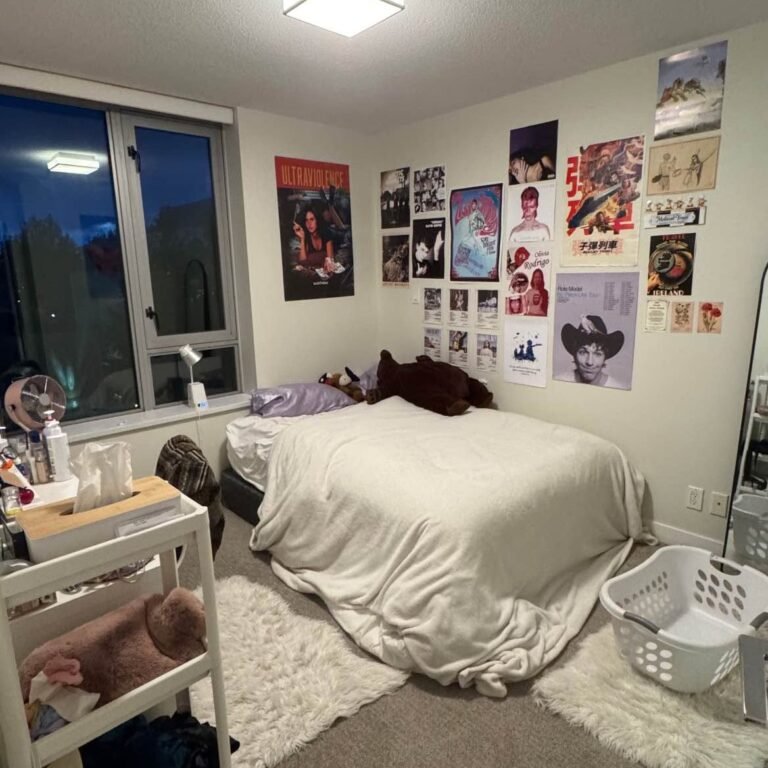

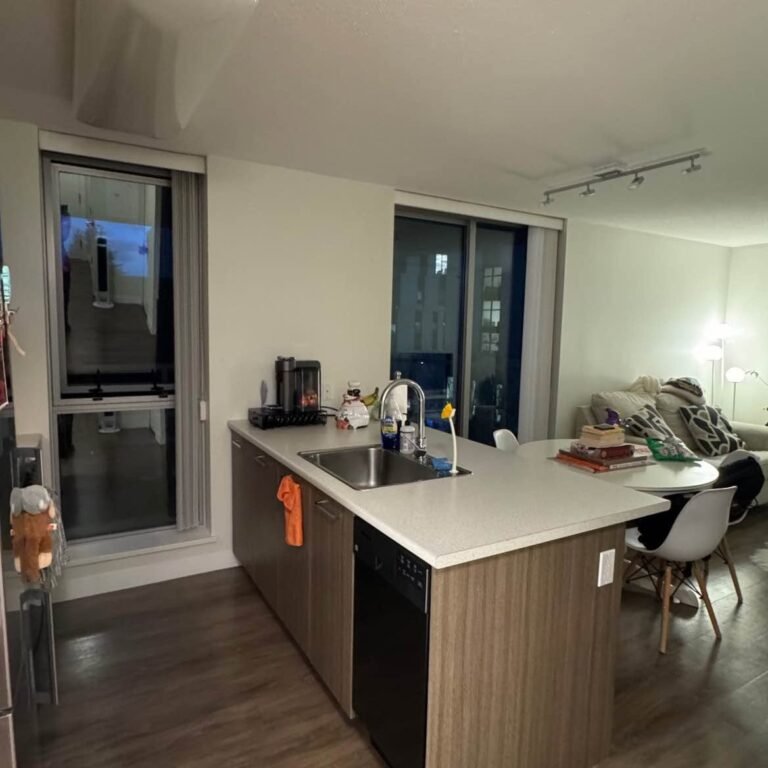
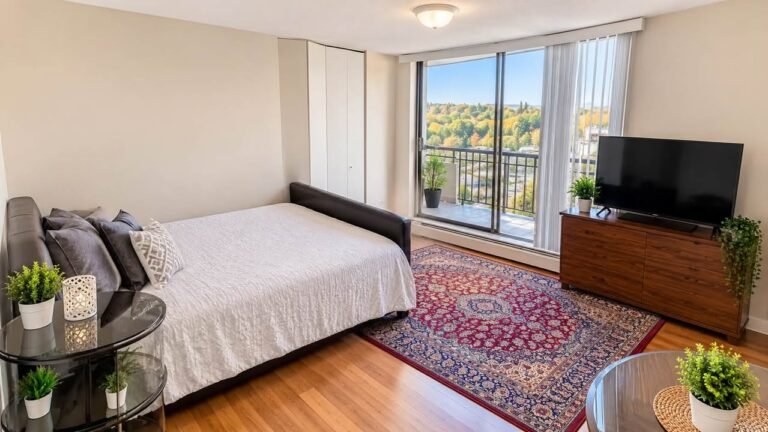

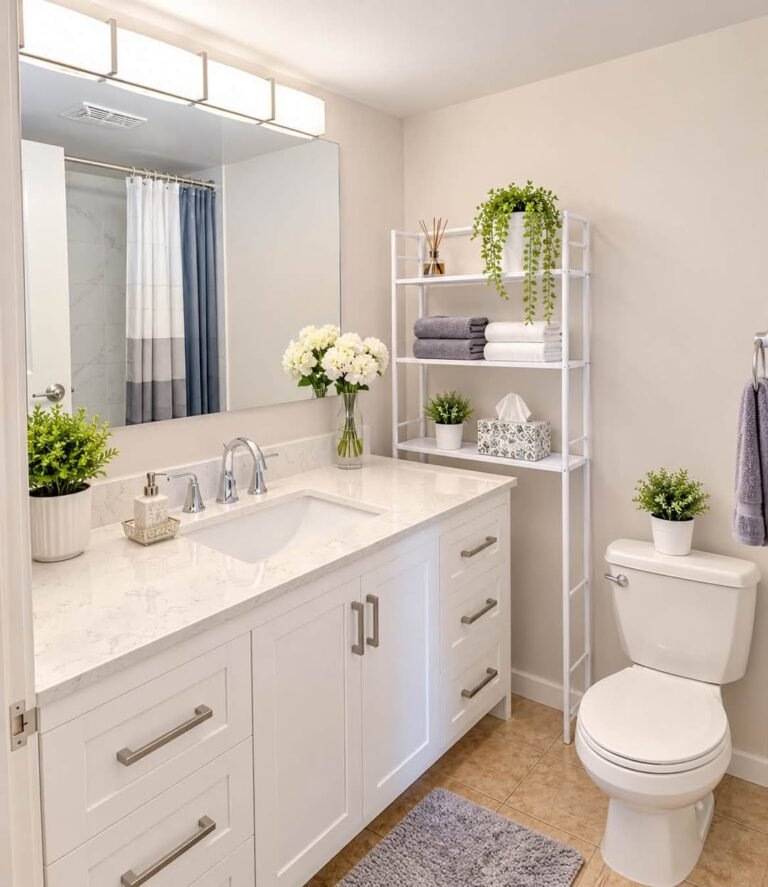
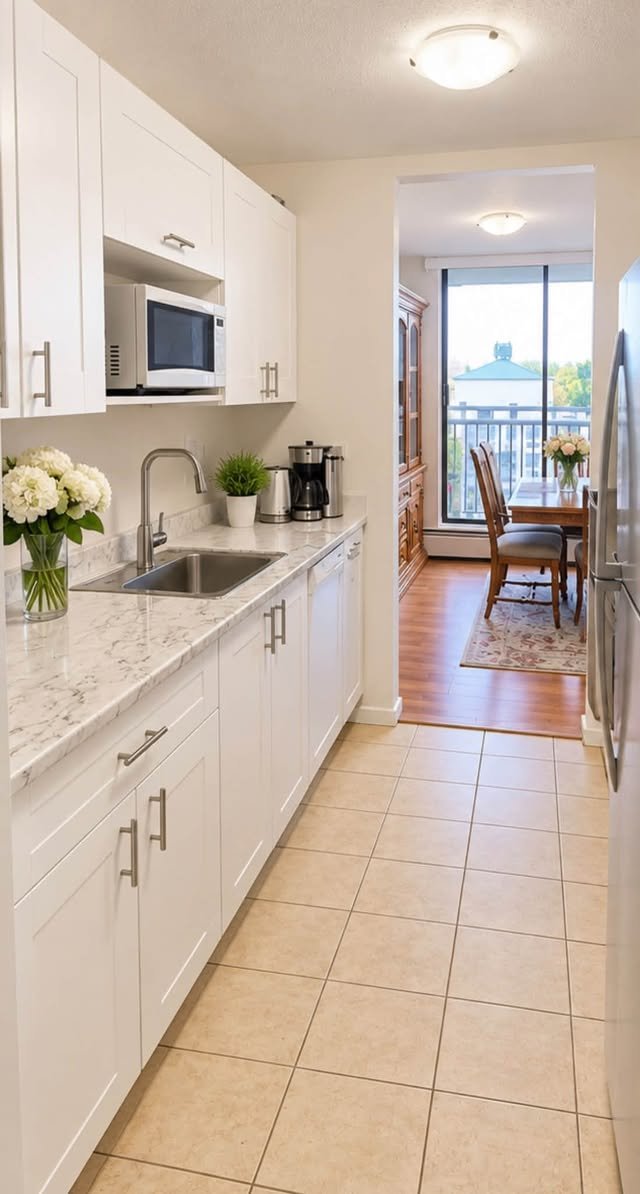

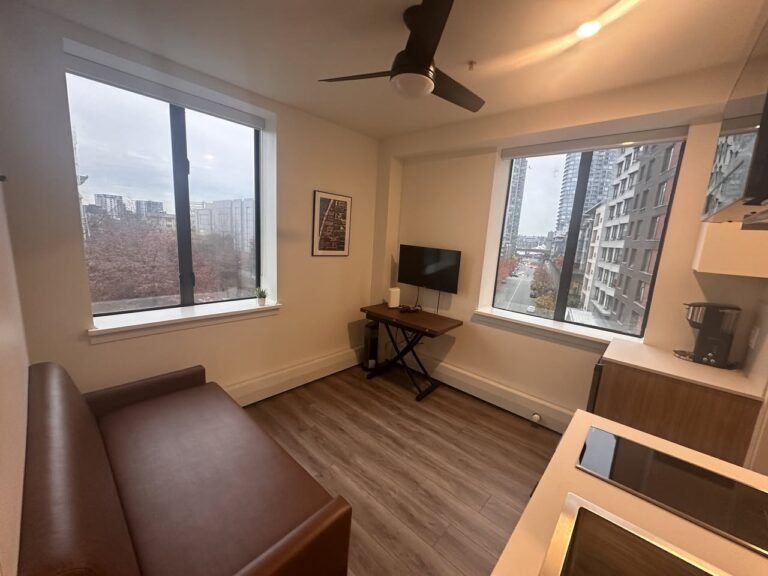
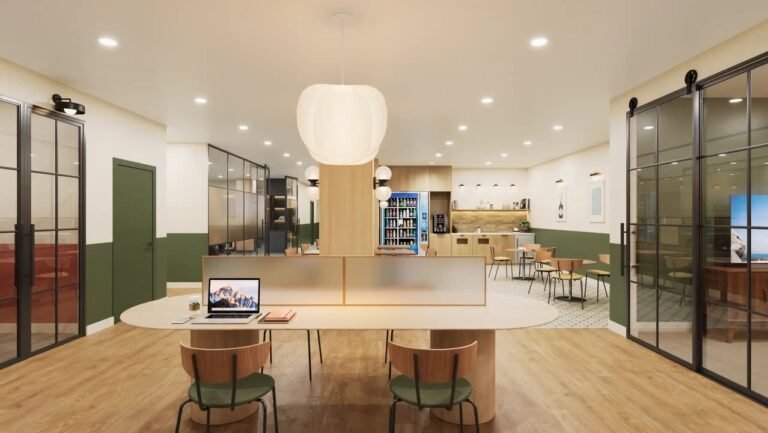
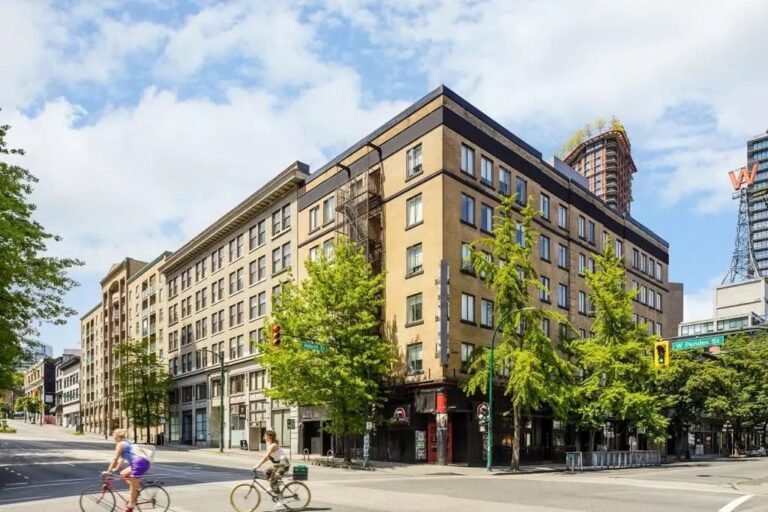
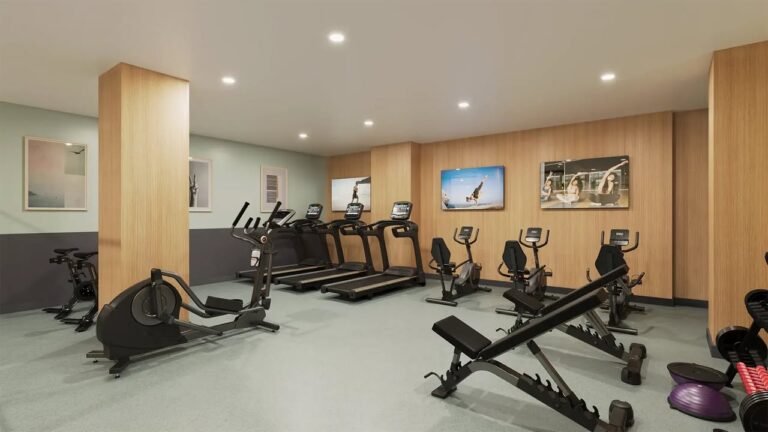
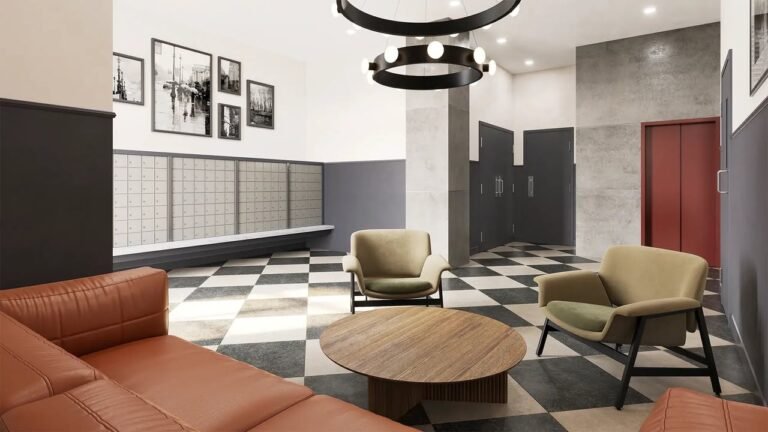
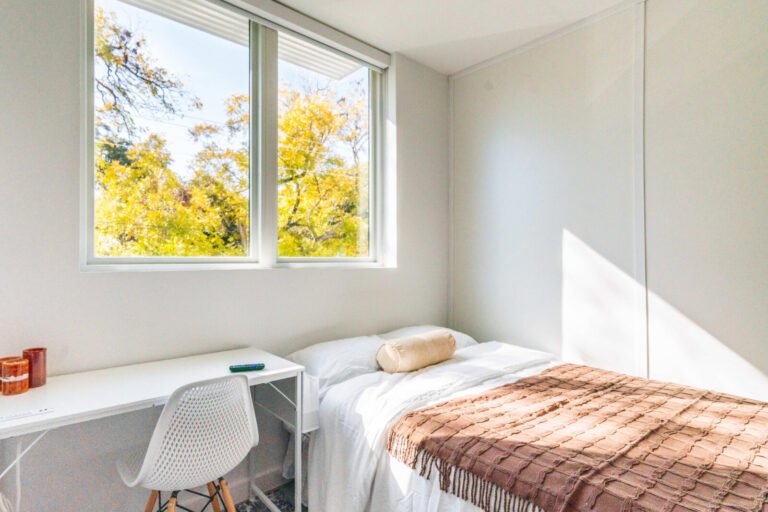
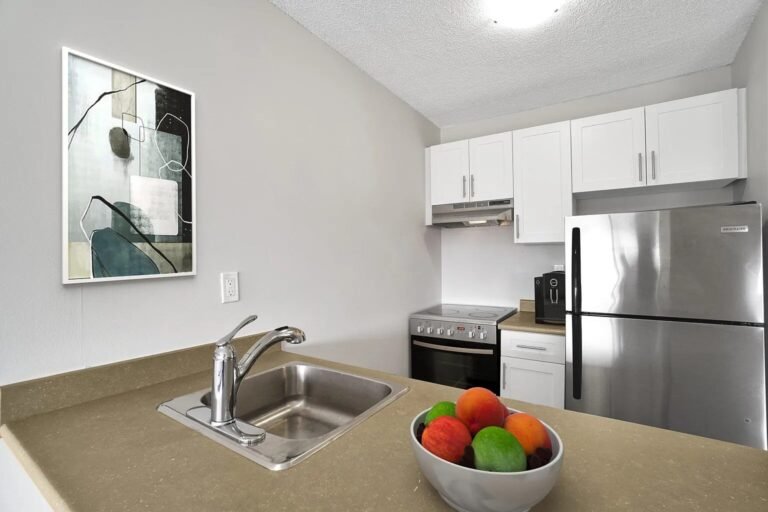
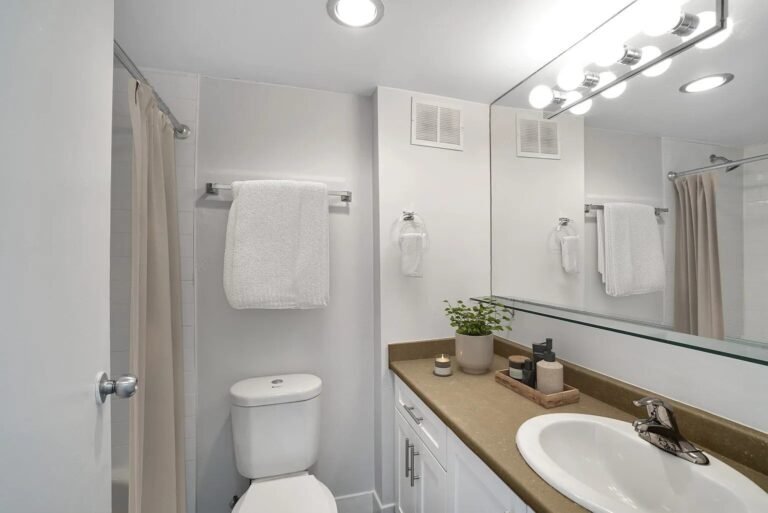


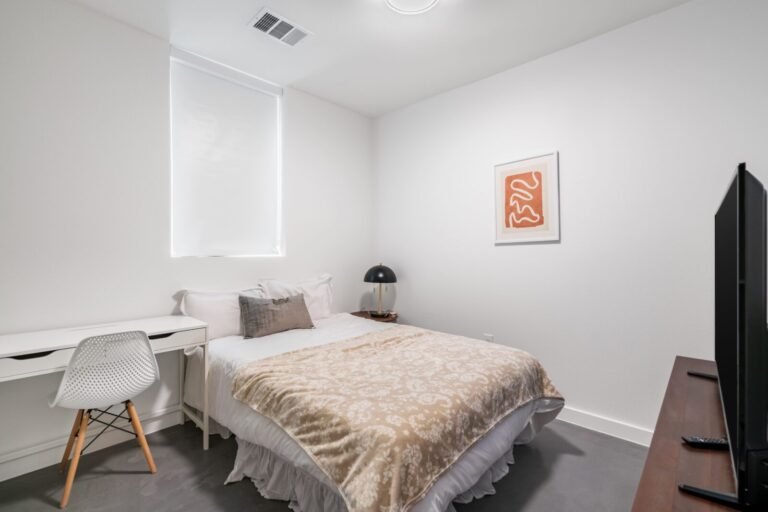

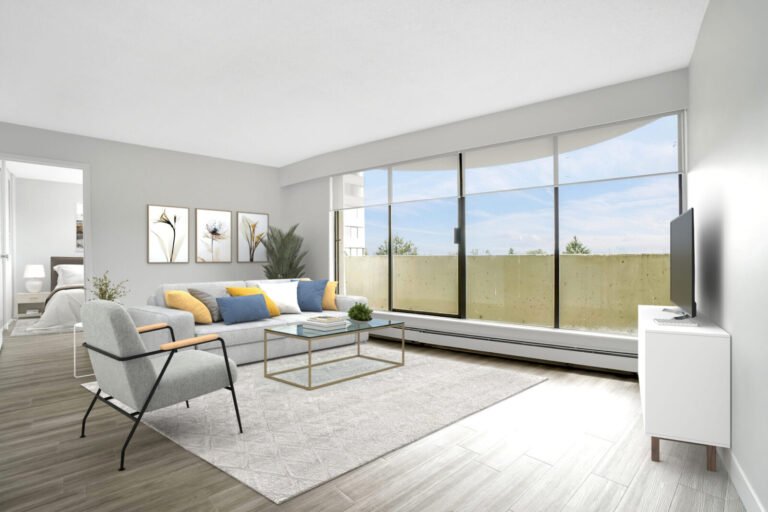

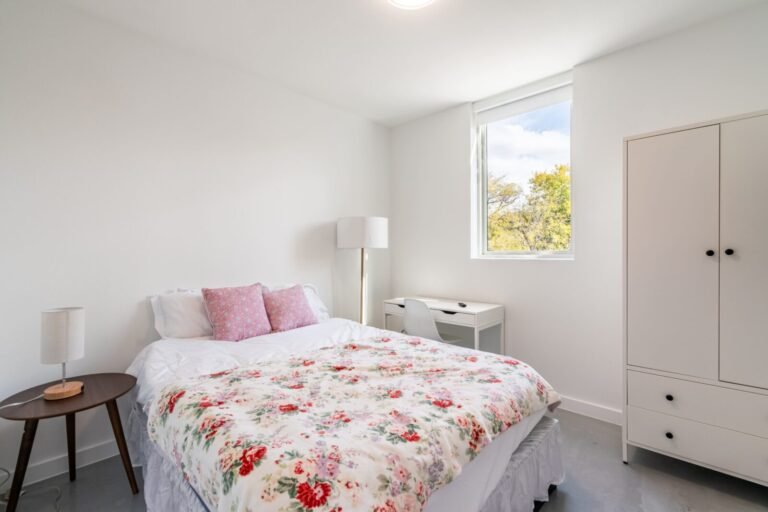
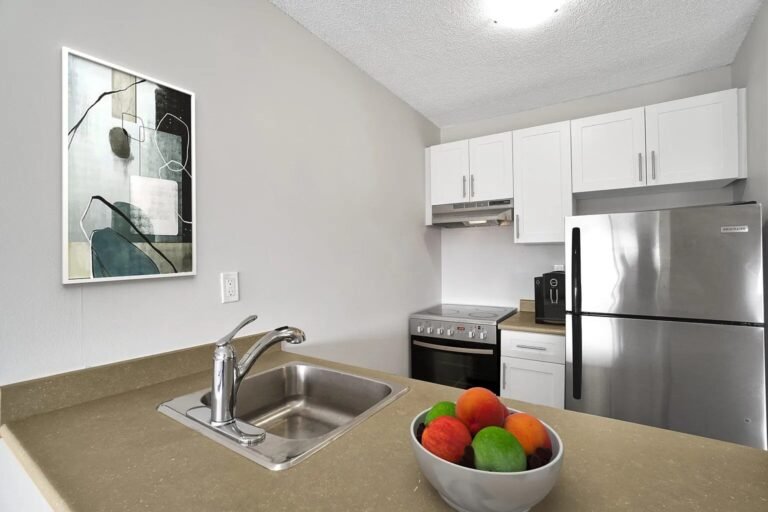
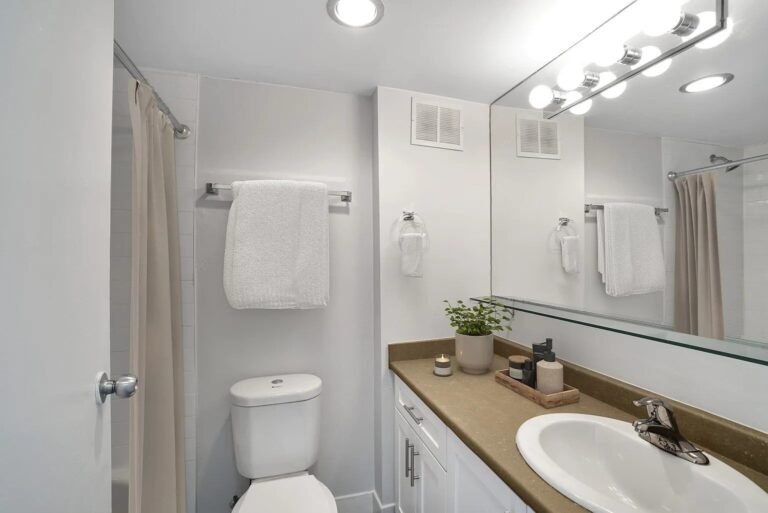
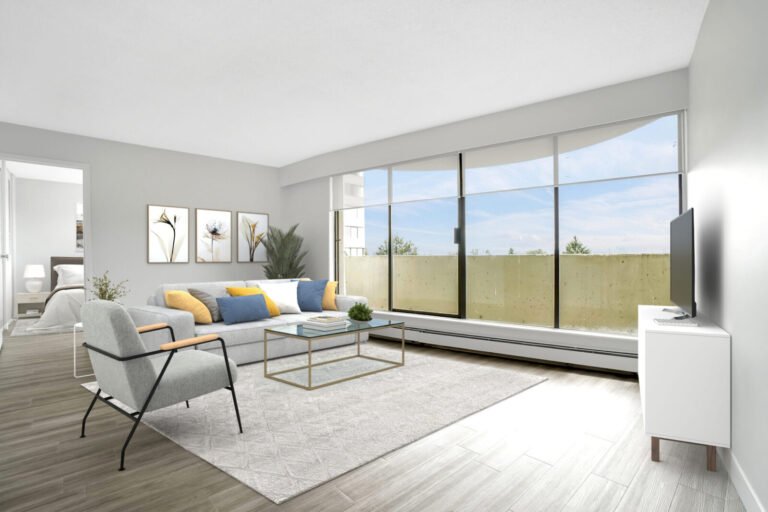
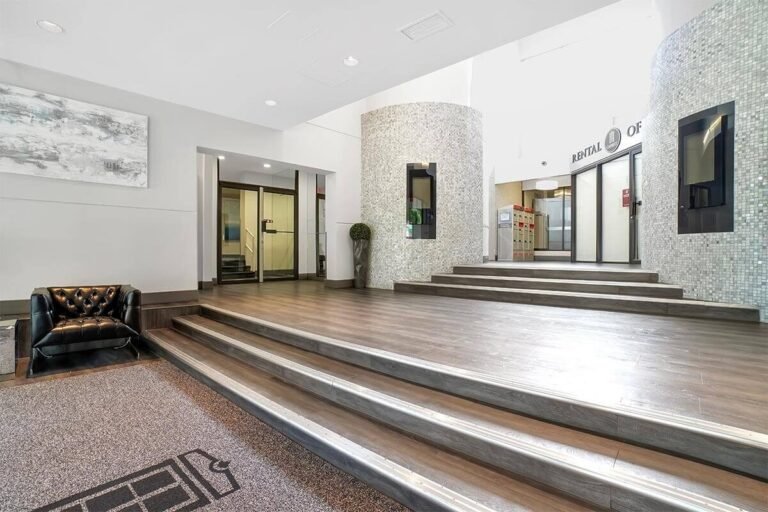



Ensuite room
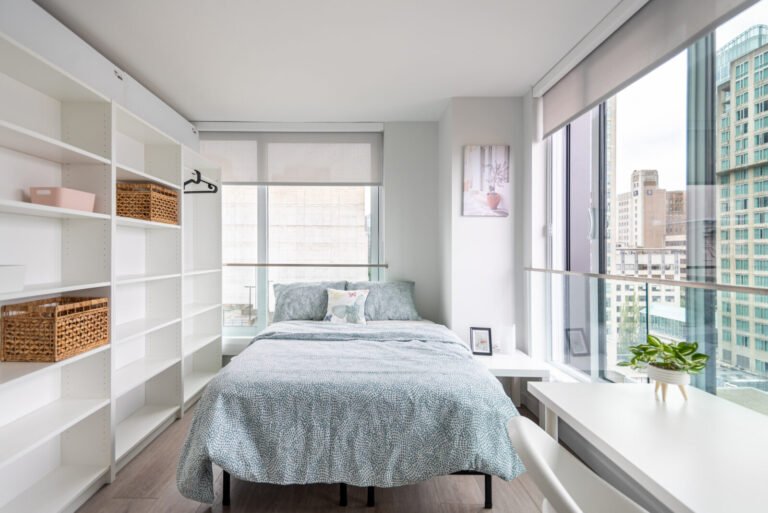
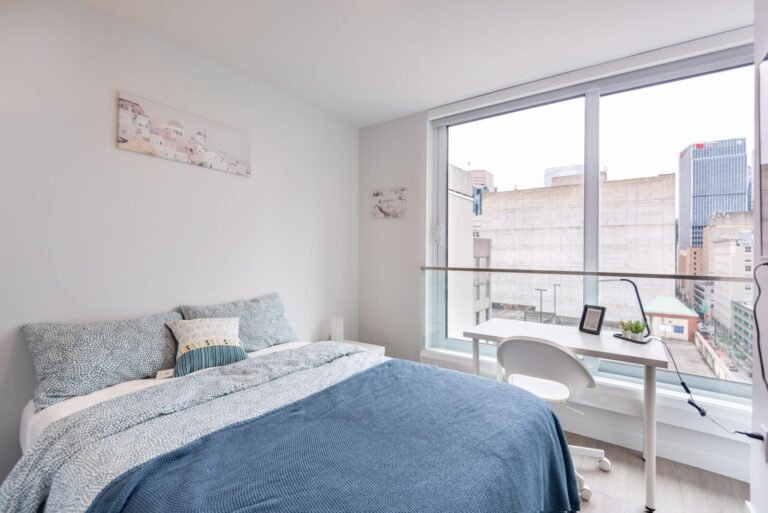
Master Room & Ensuite Bath – Int Plaza
Vancouver
- Beds: 4
- Baths: 2
+3 more at this address
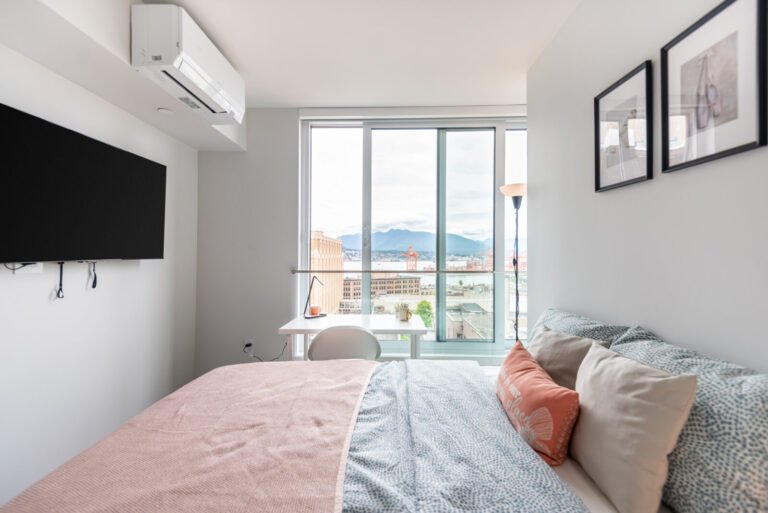
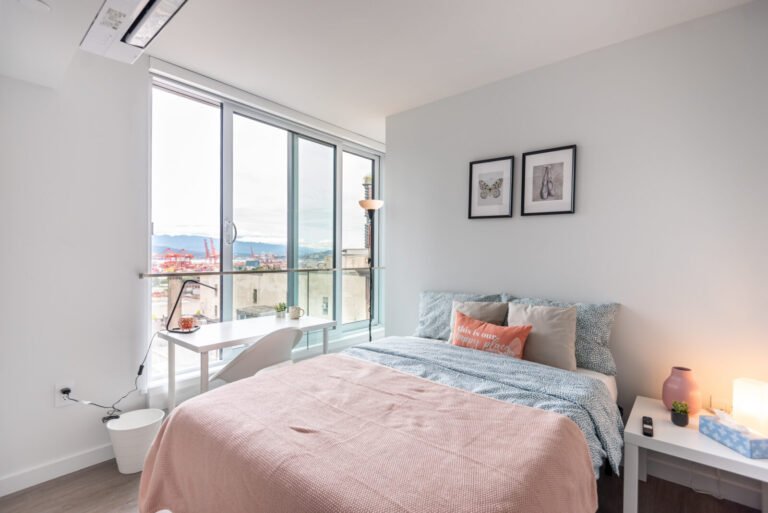
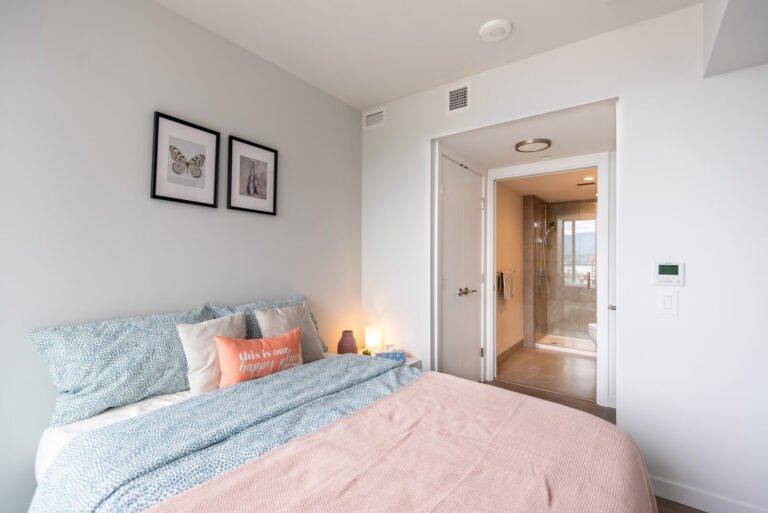
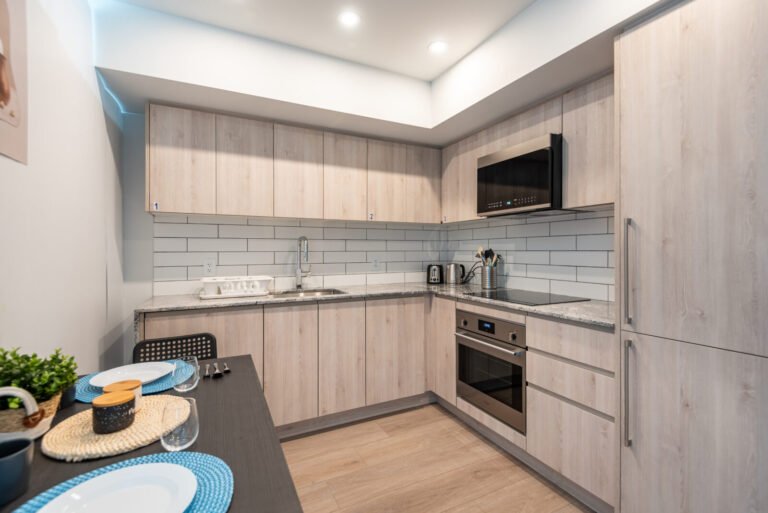
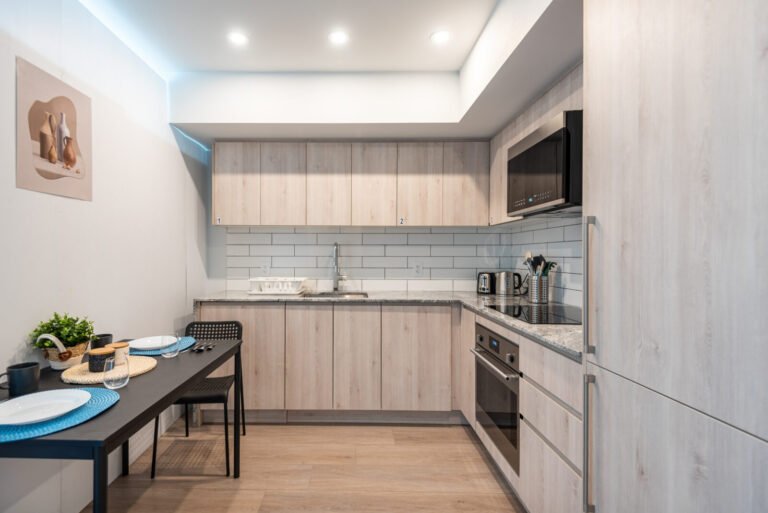
Ensuite room
Master Room & Ensuite Bath – Richards & Pender
Vancouver
- Beds: 3
- Baths: 2
+2 more at this address





Rent by room type in Vancouver
| Room type | Rooms live now | From | Typical |
|---|---|---|---|
| Private room | 6 | CA$888/month | CA$1,138/month |
| Ensuite room | 2 | CA$1,473/month | CA$1,603/month |
| Entire apartment | 1 | CA$2,600/month | CA$2,600/month |
| Studio | 1 | CA$1,688/month | CA$1,688/month |
6 rooms at or below CA$1,500/month right now.
Live listings on Rentser today. Rooms priced by the week are shown as a monthly equivalent (weekly × 52 ÷ 12). Updated every hour.
Student Housing in Vancouver: Complete 2026 Guide
Looking for student housing in Vancouver? Whether you're starting at the University of British Columbia, Simon Fraser University, BCIT, Emily Carr, Vancouver Film School, or the University of the Fraser Valley, finding the right room means navigating Canada's most expensive city per square foot — alongside the...
Why Vancouver for Students
Vancouver hosts approximately 175,000 post-secondary students across more than two dozen institutions. The University of British Columbia (71,000 students, 28% international), Simon Fraser University (37,000 students, 25% international), BC Institute of Technology (50,000 students, 12% international), Emily Carr University of Art + Design (2,200 students, 24% international), Vancouver Film School (1,700 students with the highest international percentage at 65%), and the University of the Fraser Valley anchor the regional academic ecosystem.
TransLink — the regional transit authority — connects every major campus through SkyTrain (Expo Line, Millennium Line, Canada Line), the SeaBus to the North Shore, and an extensive bus network. SkyTrain to UBC's Point Grey campus opens 2027 via the Broadway Subway extension; until then, UBC students rely heavily on the 99 B-Line bus from Commercial-Broadway SkyTrain station. A monthly Compass Card pass costs $130 for adults; U-Pass BC included in UBC and SFU student fees provides unlimited transit.
Vancouver's student infrastructure runs deep: 24-hour libraries at UBC and SFU, the Granville Island arts and film industry concentration, and Canada's largest international student inflow per capita (driven by English-language programs and UBC's international graduate cohort). Part-time work options are strong for students — hospitality, retail, film production assistantships, and on-campus work-study programs are accessible by transit across the Lower Mainland.
Compared to other Canadian cities, Vancouver sits as the most expensive rental market — but with the strongest tenant protections (half-month security deposit cap, mandatory inflation-rate rent control at 3.5% for 2026, no broker fees). Vancouver favors continuous rental turnover year-round, with August-September peaking around academic year start. The mountains-ocean-border-ALR geographic constraint keeps inventory tight and pricing premium.
Best Neighborhoods for Vancouver Students
| Neighborhood | Private Room (CAD) | Best for | Walk Score |
|---|---|---|---|
| Kitsilano | $1,250 | beachside young professional | — |
| Mount Pleasant | $1,150 | trendy artist-friendly | — |
| West End | $1,300 | downtown urban density | — |
| Kerrisdale | $1,050 | quieter west-side near UBC | — |
| Commercial Drive | $950 | diverse east-side | — |
| Yaletown | $1,400 | modern glass towers | — |
| Fairview | $1,200 | South Granville arts district | — |
| Burnaby (Metrotown) | $900 | Metro Vancouver east | — |
The right Vancouver neighborhood depends on which campus you're attending, your tolerance for SkyTrain or bus commute, and how much of your budget you'll dedicate to Compass Card versus rent. Here are eight neighborhoods where Vancouver students rent most often, with average private-room rent ranges and the trade-offs of each.
Burnaby Metrotown ($850-$950)
Metro Vancouver east, served by SkyTrain Expo and Millennium Lines. Metrotown shopping centre and SFU Burnaby Mountain campus connectivity make this neighborhood the SFU off-campus hub. Approximately 30-40 minutes by SkyTrain to downtown Vancouver. Best for SFU students prioritizing affordable rent and direct campus shuttle access, and BCIT Burnaby campus students.
Commercial Drive ($900-$1,000)
East Vancouver served by SkyTrain Commercial-Broadway interchange. Italian and Latin American heritage, extensive independent café and restaurant scene, and direct Expo Line + Millennium Line access. 25-minute SkyTrain ride to downtown plus 99 B-Line bus to UBC. Best for UBC students prioritizing East Van character, value-tier rents, and dynamic transit connectivity.
Kerrisdale ($1,000-$1,100)
West-side Vancouver near UBC, quieter family-and-student mix with leafy tree-lined streets. 41st Avenue commercial corridor provides cafés and retail. 99 B-Line bus to UBC in 30 minutes. Best for UBC students wanting calmer residential surroundings, graduate students, and students prioritizing study-friendly environments over downtown nightlife.
Mount Pleasant ($1,100-$1,200)
East-side trendy artist-friendly neighborhood centered on Main Street. Craft brewery district, vintage shops, and growing art gallery scene. Walking distance to Olympic Village SkyTrain station (Canada Line). 15-minute SkyTrain ride to downtown. Best for Emily Carr design students at Granville Island, SFU students at Harbour Centre downtown campus, and any student valuing East Van's emerging cultural scene.
Fairview ($1,150-$1,250)
South Granville arts district between downtown and Kitsilano. Vancouver General Hospital and BC Cancer Agency proximity drives healthcare student demand. Canada Line SkyTrain access at Broadway-City Hall station provides Richmond + downtown connectivity. Best for UBC medical students, BCIT nursing students, and students prioritizing healthcare campus proximity.
Kitsilano ($1,200-$1,300)
Beachside neighborhood west of Granville Bridge, walkable to UBC's Point Grey campus via the 4th Avenue corridor. Strong yoga, café, and beach culture. The B-Line bus reaches UBC in 25 minutes; faster than from East Vancouver. Premium for walkable access to UBC plus beach lifestyle. Best for UBC graduate students with higher budgets and students prioritizing west-side living.
West End ($1,250-$1,350)
Downtown urban density west of Burrard Street. Stanley Park access, Davie Village LGBTQ+ heritage, and waterfront condo towers. Walking distance to BCIT downtown campus + 15 minutes SkyTrain to UBC via 99 B-Line. Premium for downtown amenities and walkability. Best for VFS students, BCIT downtown students, and students prioritizing zero-transit-commute living.
Yaletown ($1,350-$1,450)
Premium modern glass-tower district downtown. Yaletown SkyTrain station (Canada Line) provides direct Richmond and YVR airport access. Highest student-friendly rent tier in Vancouver, justified by walking distance to downtown business district, restaurants, and waterfront. Best for students with higher budgets and SFU Harbour Centre + BCIT downtown students wanting walkable everything.
Universities and Off-Campus Housing
Pick your campus
University of British Columbia (UBC)
Total students71,000International28%Off-campus housingHousing office →
Simon Fraser University (SFU)
Total students37,000International25%Off-campus housingHousing office →
BC Institute of Technology (BCIT)
Total students50,000International12%Off-campus housingHousing office →
Emily Carr University of Art + Design
Total students2,200International24%Off-campus housingHousing office →
Vancouver Film School
Total students1,700International65%Off-campus housingHousing office →
University of the Fraser Valley
Total students15,000International18%Off-campus housingHousing office →
Each Vancouver university has its own preferred student neighborhoods, on-campus housing patterns, and lease norms. Here's the practical layout for the four largest enrollment campuses:
What It Actually Costs in 2026
| Type | Range | Median | Includes |
|---|---|---|---|
| Shared room (3-4 BR) | $900–$1,400 | $1,100 | Utilities + WiFi typical |
| Studio apartment | $1,487–$2,012 | $1,750 | Utilities sometimes extra |
| 1-bedroom | $1,742–$2,357 | $2,050 | Utilities extra |
Use these ranges as a budgeting starting point. Actual Vancouver rent depends on whether the unit is rent-controlled (most pre-2018 buildings are), which neighborhood you choose, and how many roommates split the lease.
Most Vancouver leases are "bills-extra" — you pay utilities separately on top of rent. "Bills-included" rentals exist but typically cost $100-$150/month more.
Deposit norms (BC unique): The BC Residential Tenancy Act caps security deposits at half month's rent — significantly lower than most other Canadian provinces. A separate half-month pet deposit is also allowed if pets are permitted. This is one of the strongest tenant protections in Canada — you pay less upfront in Vancouver than in Toronto, Boston, or NYC.
Rent control: BC RTA caps annual rent increases at the inflation rate (3.5% for 2026), applying to most existing tenancies. This is stricter than Ontario's 2.5% cap (which only applies to pre-Nov 2018 buildings). However, new tenancies always start at full market rate.
International Student Tips
Vancouver has the highest international student percentage per capita of any major Canadian city — approximately 75,000+ international students across the region, with VFS at 65%, UBC at 28%, and SFU at 25%. The BC rental process has specific quirks worth knowing before you fly to Vancouver.
You can rent without Canadian credit history. Most Vancouver landlords accept proof of admission to a Canadian post-secondary institution + a guarantor (often a parent), or a larger upfront payment (first month + half-month security deposit per BC RTA). Some landlords also accept tuition payment confirmation as financial proof. International guarantor services like Insurent and Theguarantors operate in BC, though usage is less common than in NYC.
Bring documents to your viewing. Passport, study permit (or letter of acceptance if not yet issued), proof of admission, and proof of funds. If you sign a lease, the landlord will likely want all four documents. Application fees are not allowed in BC.
Verify the listing before paying anything. Vancouver has known rental scam patterns where fake listings request wire transfers to "hold" a unit. Common scam platforms include Kijiji, Facebook Marketplace, and Craigslist. Visit in person before paying, or accept a video tour only if it includes timestamps and a clear face-to-camera by the actual landlord.
Look into Government of Canada Study Permit Information. Standard student housing leases do not affect visa status or work authorization. International students with study permits have full rental rights in BC.
Cultural transition tip. Vancouver's neighborhoods are remarkably diverse, but if community is important to you, ask your university's international student office for recommendations — UBC International House and SFU International Services both maintain partnerships with student-heavy buildings and roommate-matching programs particularly serving international students from specific countries.
How to Find Student Housing in Vancouver
The Vancouver rental market has predictable patterns. Follow this sequence to maximize your options and protect against scams.
Start 60-90 days before move-in. September move-in (the most common academic year start) means starting in early June or July. Wait until August and you'll be competing for leftover units against tight 0.9% vacancy rate competition. Vacancy is so low that quality units close within 24-48 hours of listing.
Where to search. Browse curated Vancouver rentals on Rentser — direct landlord listings organized by neighborhood. Cross-reference with your university's official off-campus housing office (UBC's, SFU's, BCIT's are well-vetted).
Verify rent control eligibility. Ask whether the unit is rent-stabilized (pre-2018 building, existing tenancy structure). If you're signing a new lease, you pay full market rate — but the unit may be rent-controlled for future renewals. Verify the building's tenancy status before committing.
Red flags. Listings significantly below market rate, urgency pressure ("decide today"), wire transfer requests before in-person viewing, landlords claiming they're "traveling and can't meet in person", "deposit" requested without a written lease, or any request for a broker fee (illegal under BC RTA).
Ready to start? Browse curated Vancouver listings on Rentser →
All Vancouver room rental guides
Compare every Vancouver rental type — student, working-professional, shared, furnished, studio, and budget options.
VancouverRent a RoomVancouverShared LivingVancouverFurnished Rooms on RentVancouverStudio on RentVancouverFind a RoomVancouverStudent AccommodationVancouverStudent RentalsVancouverStudent LivingVancouverRooms on RentVancouverShared Rooms on RentVancouverFind a Room on RentVancouverStudio Apartment
About this guide: Updated quarterly using BC Residential Tenancy Branch + CAD/month · CMHC Rental Market Report Fall 2025 + Re.
By the Rentser Editorial Team · Last updated June 2026 · For information only; consult a qualified attorney for legal advice.
Live · Vancouver
Student rooms available now
Room 1Vancouver…Room 2Vancouver…Room 3Vancouver…
Cross-theme
Need a roommate?
Match with Vancouver students by university, lease length, and budget.
Quick links
- Renting in Vancouver: market guide
- People looking for a room in Vancouver
- Movers, cleaners and other services in Vancouver
More in Vancouver: Rooms for Rent in Vancouver · Studio Apartments in Vancouver · Find a Roommate in Vancouver · Shared Living in Vancouver · Coliving in Vancouver
Rooms for rent in other cities: Edmonton · Montreal · Ottawa · Toronto
More Vancouver student housing guides
Student Housing in Vancouver 2026: Best Areas, Prices and Room Rental Tips
Finding the right student housing in Vancouver is one of the first and most important steps when moving to this vibrant Canadian city for your studies. Vancouver attracts thousands of international and domestic students every year because of its world-class universities, cultural diversity, and breathtaking natural surroundings. However, the housing market can be competitive, so knowing your options and planning ahead is key. In this detailed guide, we’ll explore all the essentials you need to know about student housing in Vancouver—from costs and neighborhoods to types of accommodation and money-saving tips.
Table of ContentsWhy Vancouver is a Top Choice
Vancouver is home to prestigious institutions such as the University of British Columbia (UBC), Simon Fraser University (SFU), Langara College, and Emily Carr University. The city offers not only academic excellence but also an active student lifestyle with beaches, mountains, and a thriving urban environment. Choosing the right student housing in Vancouver ensures you balance both your academic and social life without stress.
The city’s reputation for safety, multicultural atmosphere, and innovation makes it a hub for students worldwide. That’s why the demand continues to rise year after year.
Types of Student Housing in Vancouver
On-Campus Residences
On-campus housing is one of the most convenient options, especially for first-year students. Residences usually include furnished rooms, meal plans, and access to campus facilities. Living here means you are steps away from your classes, libraries, and student communities. While on-campus spaces fill up quickly, they are a great starting point.
Off-Campus Apartments
If you prefer more independence, renting an off-campus apartment is an excellent choice. Apartments are widely available in Vancouver, though prices vary by neighborhood. Many students choose to share apartments to split the costs. With proper research, you can find off-campus that balances affordability and convenience.
Homestays
Homestays provide a unique cultural experience, where students live with local families. This type of housing usually includes meals, making it an affordable and comfortable option. Many international students feel more at home in a homestay, as they get to experience Canadian culture while studying. For budget-conscious students, this type of student housing in Vancouver can be ideal.
Shared Student Housing
Shared student houses or co-living spaces are increasingly popular. You’ll live with other students, which reduces expenses while offering a vibrant social environment. Many co-living arrangements also come furnished, saving you setup costs. This collaborative approach to it helps create a strong community during your academic journey.
Best Neighborhoods for Students in VancouverKitsilano
Known for its beaches and relaxed lifestyle, Kitsilano is a favorite for UBC students. Rent is on the higher side, but the neighborhood offers a perfect mix of academics and leisure. Students often search for student housing in Vancouver here to be close to campus and the ocean.
East Vancouver
East Vancouver is more budget-friendly, making it ideal for students who want affordable housing. The area is diverse, vibrant, and filled with small cafes, shops, and markets. Many shared apartments and suites provide accessible student housing in Vancouver here.
Downtown Vancouver
If you want to live in the heart of the city, downtown is the place. Although rent is higher, living here means you’re close to many colleges, entertainment, and job opportunities. For students who value convenience, downtown is worth considering.
Burnaby
Home to Simon Fraser University, Burnaby is a student hub offering more affordable options compared to central Vancouver. Many students commuting to other universities also choose Burnaby because of better rental rates. It’s one of the most practical.
Average Cost of Student Housing in VancouverThe cost of housing in Vancouver is among the highest in Canada, but knowing the price range helps you budget effectively.
On-campus residence: CAD $800–$1,200/month
Shared off-campus apartment: CAD $700–$1,500/month
Homestay (with meals): CAD $900–$1,200/month
Private apartment: CAD $1,500–$2,500/month
By comparing these options, students can make informed decisions. While expensive, well-planned can still fit within most student budgets.
Tips for Finding VancouverStart Early – Begin your housing search at least 3–4 months before your semester. With high demand, early applications secure the best deals for student housing in Vancouver.
Use Trusted Platforms – Explore rental sites like RentBoard, Craigslist, and official university housing boards. Avoid unverified listings to protect yourself.
Consider Roommates – Sharing an apartment or house reduces expenses and builds friendships. Roommates can make more affordable.
Check Contracts Carefully – Always review rental agreements before signing. Understanding the terms is essential for safe and legal.
Stay Near Transit – Proximity to public transit saves time and money. Areas along SkyTrain routes are ideal for students.
Despite the many options, challenges exist. The main issues are affordability, availability, and scams. With rental demand so high, students sometimes struggle to find secure housing. That’s why researching carefully and starting early is crucial for anyone seeking student housing in Vancouver.
International StudentsInternational students often face additional challenges, from adjusting to new cultures to understanding rental laws. Homestays are a good solution, as they provide a support system. Universities also offer resources to help international students find safe and affordable student housing in Vancouver.
How to Save Money in VancouverLive slightly outside downtown for lower rent.
Share your accommodation with two or more roommates.
Consider furnished apartments to avoid extra costs.
Take advantage of student discounts on utilities and internet.
Following these strategies helps reduce the financial burden.
With increasing student demand, the city is investing in new housing solutions, including more campus residences and purpose-built student housing. This growth means more opportunities for students to secure reliable and affordable student housing in Vancouver in the coming years.
Tags: Student Housing
Guide
Why Live Off Campus in Vancouver?
More Affordable Than Dorms
Furnished rooms and shared apartments often cost 10–30% less than on‑campus housing.
Flexible Lease Options
Month‑to‑month, semester‑based, or 8‑ to 12‑month leases to match your study schedule.
Fully Furnished & Move‑In Ready
Most rentals include bed, desk, Wi‑Fi, and basic utilities.
Freedom & Independence
No strict dorm rules—enjoy your own space and lifestyle choices.
Close to Transit & Campus Life
Live steps from SkyTrain stations, buses, cafés, and study spots.
Top Student Neighborhoods in Vancouver
Kitsilano – Beachside parks, yoga studios, UBC shuttle access.
West End – Walkable to downtown, English Bay, and Robson Street.
Mount Pleasant – Trendy cafés, breweries, and bike‑friendly streets.
UBC Surroundings (West Point Grey) – Quiet residential streets with easy campus access.
Commercial Drive – Multicultural eateries, live music, and community markets.
Popular Schools in Vancouver
University of British Columbia (UBC)
British Columbia Institute of Technology (BCIT)
Langara College
Emily Carr University of Art + Design
Vancouver Film School
How Rentser works in Vancouver
- Search by budget and room type. Every room shows its rent up front; filter by price and room type.
- Message hosts directly. Renters never pay on Rentser, and you write straight to the host or operator.
- Rooms listed by hosts are reviewed before they go live, and listings that end come off the site.
- Post a free room-wanted ad. Hosts with a room in Vancouver can message you, and we email you new rooms that fit your budget.
Find Off‑Campus Housing in Vancouver
Ready to break free from dorm life?
Browse Student Rooms in Vancouver Now
Student Living in Vancouver: 2026 Cost + Lifestyle Guide
Planning your total student living costs in Vancouver? Whether you're starting at UBC, SFU, BCIT, Capilano, or KPU, your monthly budget extends far beyond rent. Vancouver student living requires planning $1,900-$2,500 CAD monthly covering rent + TransLink (U-Pass) + groceries + textbooks + healthcare + outdoor...
Monthly Budget Breakdown
Vancouver student monthly budget by category:
Rent (private room shared apartment): $850-$1,400 CAD Utilities (heat + electricity + water + Wi-Fi share): $80-$160 TransLink U-Pass (UBC/SFU mandatory): $42.50 (included in tuition; otherwise ~$200/month full price) Groceries (cooking 5-6 days/week): $350-$500 Eating out (1-2 nights/week + lunch): $200-$400 Textbooks (per semester, amortized monthly): $50-$120 Healthcare (MSP for BC residents): $0 (free) Personal care + toiletries: $40-$80 Mobile phone: $30-$60 Social life + entertainment: $100-$300 Outdoor activities (ski + hiking gear amortization): $50-$100 Rain gear (annual amortization): $20-$40
Total monthly: $1,900-$3,200 CAD (median ~$2,300)
Median annual cost: ~$27,600 CAD = approximately $4,600 (9 months) + $3,200 (3 summer months).
Vancouver premium vs Edmonton/Montreal: Vancouver ~30-40% more expensive than affordable Canadian cities. ~10-15% cheaper than Toronto.
Working students can offset $800-$1,600/month with part-time jobs (15-20 hours/week at $17-$22/hour).
Summer internships at Vancouver tech (Hootsuite, Slack, Lululemon corporate) pay $4,000-$8,000/month.
Employer hubs
Technology
Key districtTechnologyNearby areasKitsilano · Mount Pleasant · West EndSectorTechnology
Film Production
Key districtFilm ProductionNearby areasWest End · Kerrisdale · Commercial DriveSectorFilm Production
Natural Resources
Key districtNatural ResourcesNearby areasCommercial Drive · Yaletown · FairviewSectorNatural Resources
Tourism
Key districtTourismNearby areasFairview · Burnaby (Metrotown) · KitsilanoSectorTourism
Healthcare
Key districtHealthcareNearby areasKitsilano · Mount Pleasant · West EndSectorHealthcare
International Trade
Key districtInternational TradeNearby areasWest End · Kerrisdale · Commercial DriveSectorInternational Trade
TransLink + Transportation
Vancouver's transit shapes student living more than most Canadian cities.
U-Pass (UBC + SFU mandatory):
- UBC: $42.50/month (included in tuition)
- SFU: $42.50/month (included in tuition)
- Other Vancouver schools: Standard TransLink fares (not subsidized)
TransLink full price (without U-Pass):
- One-zone fare: $3.20 (Vancouver only)
- Two-zone fare: $4.85 (Vancouver + Burnaby/Richmond/North Van)
- Three-zone fare: $6.65 (Vancouver + further suburbs)
- Monthly pass (one-zone): $107.50
- Monthly pass (two-zone): $144
TransLink network:
- SkyTrain — 3 lines: Expo Line, Millennium Line, Canada Line
- SeaBus — Vancouver → North Vancouver ferry
- West Coast Express — Vancouver → Mission commuter rail
- Bus — Extensive network across all neighborhoods
UBC routing:
- 99 B-Line — Express bus from Commercial-Broadway to UBC (most common student route)
- Eventually replaced by Broadway Subway (under construction)
SFU routing:
- SFU Burnaby — Production Way SkyTrain + bus connection
- SFU Vancouver downtown campus — Granville/Burrard SkyTrain
Cycling:
- Mobi by Shaw Go bike-share + dedicated bike paths
- Stanley Park Seawall + False Creek Seawall for recreation + commuting
- Mild climate enables 8-10 months/year cycling
Walking + Skiing:
- Stanley Park + downtown core + Yaletown highly walkable
- Three Vancouver ski mountains (Cypress + Grouse + Seymour) accessible by transit
Annual transit cost: $510 (U-Pass) vs $1,290+ TransLink monthly pass.
Food + Groceries
Vancouver student food planning:
Grocery shopping strategies:
- Save-On-Foods + Safeway — Standard grocery
- No Frills + FreshCo — Discount chains
- Whole Foods — Premium organic
- Costco (with membership) — Bulk discount
- T&T Supermarket — Asian groceries (Chinese, Korean, Japanese)
- Granville Island Public Market — Local artisan (premium weekend)
- Chinatown markets — Asian + Pacific Northwest fish
Cooking-focused student ($350-$500/month groceries):
- Rice + noodles + frozen vegetables base (Asian-influenced)
- Pacific Northwest fish (salmon, halibut)
- Local seasonal produce (BC farmer's markets)
- 5-6 dinners cooked + 4-5 lunches packed
Mixed approach ($550-$850/month food):
- 3-4 cooked dinners + 2-3 restaurant dinners
- Coffee shop coffee 3-4 times/week
- Weekend dining out + brunch culture
Vancouver dining out premium vs Edmonton/Montreal. Average meal $20-$35 CAD (vs $15-$25 elsewhere).
Vancouver specialties to budget for:
- Pacific Northwest seafood (salmon, halibut, oysters)
- Asian fusion (Vancouver's diverse Asian community)
- Ramen + Sushi scenes (Robson + Granville)
- Indo-Canadian (Surrey, South Vancouver)
International student grocery:
- T&T Supermarket — Asian groceries
- Sungiven Foods — Chinese groceries
- H-Mart — Korean groceries (Coquitlam)
- Granville Island — Mediterranean + Middle Eastern
- Persia Foods — Iranian + Middle Eastern
University meal plans: UBC + SFU residences offer flexible plans. Compare with off-campus cooking budget.
Work + Income
On-campus (work permit-free for international students):
- UBC + SFU library positions — $17-$22 CAD/hour (15-20 hours/week)
- Teaching/research assistants — $20-$35/hour
- Dining + administrative — $17-$20/hour
- Tutoring — $25-$50/hour
Off-campus (international students require work permit conditions):
- Vancouver tech companies (Hootsuite, Slack, Lululemon Corporate, Bench, Microsoft Vancouver) — $20-$32/hour internships
- Vancouver creative + media (Capilano University connections) — $18-$25/hour
- Vancouver hospitality (restaurants, hotels, retail in Yaletown + downtown) — $17-$22/hour
- Outdoor activity industry (REI, MEC, ski resort, kayak rental) — $17-$22/hour
Local domestic students:
- BC tax structure (no provincial sales tax on most groceries + clothing)
- Federal work-study at UBC + SFU
- BC Student Aid programs
Summer internships:
- Tech summer internships (Vancouver + Seattle + Bay Area) — $5,000-$10,000 CAD/month
- Hospitality + outdoor industry (ski resorts winter, summer tourism) — $3,000-$5,000/month
- Government internships (BC provincial + federal) — $3,500-$5,500/month
Average part-time monthly income (during term):
- 15-20 hours/week × $17-$22/hour = $1,000-$1,800/month
Summer internship savings: $10,000-$25,000 over 3-4 months. Significant offset to academic year costs.
Healthcare + Insurance
BC Medical Services Plan (MSP):
- Free for all BC residents including students who reside in BC for 6+ months
- Apply at HealthBC.ca
- 3-month waiting period for new BC arrivals
- During waiting: pay private temporary insurance (Manulife, BlueCross) ~$80-$150/month
International students:
- MSP-equivalent or higher coverage mandatory before arrival
- Most universities require iMED + Pacific Blue Cross during waiting period
Healthcare access:
- UBC + SFU Student Health — Free for enrolled students
- Vancouver General Hospital + St. Paul's for serious conditions
- Vancouver Coastal Health walk-in clinics
- Telus Health for virtual appointments
Mental health:
- University counseling typically 8-12 sessions/year free
- Vancouver Crisis Services for emergencies
- CMHA Vancouver for community mental health
- HereToHelp.bc.ca for resources
Dental care:
- NOT covered by MSP — pay out-of-pocket or via private insurance
- UBC Dental School (clinical training) — discounted services
- University Health Plans often include 70-80% dental coverage
Vision care:
- NOT covered by MSP — pay out-of-pocket
- UBC Optometry School for discounted eye exams
- Costco Optical for affordable glasses
Vancouver Outdoor Lifestyle Calendar
Vancouver's outdoor culture defines student living:
Fall (September-November):
- Hiking season peak — Grouse Grind, Squamish Chief, Lynn Canyon
- Storm watching (Pacific Northwest culture)
- Pumpkin Patches + apple picking
- Vancouver International Film Festival
Winter (December-February):
- Three local ski mountains (Cypress, Grouse, Seymour) — student passes $300-$500/year
- Whistler weekends — 2-hour drive, $80-$150/day skiing
- Indoor culture — Vancouver Aquarium, museums, libraries
- Vancouver Lunar New Year (February) — Asian cultural celebration
Spring (March-May):
- Cherry blossoms (April) — Stanley Park, UBC, Burnaby
- Spring hiking returns — Burnaby Mountain, Capilano
- Outdoor patios reopen
- Vancouver Cherry Blossom Festival
Summer (June-August):
- English Bay beaches — Kits Beach, Jericho, Spanish Banks
- Stanley Park Seawall cycling + walking
- Pride Festival (August)
- Pacific National Exhibition (PNE) (August)
- Squamish + Whistler hiking + camping weekends
Holidays + breaks:
- Thanksgiving (October) — long weekend
- Christmas break — most domestic students travel; international students often stay + ski
- Reading week (February) — Whistler ski trips common
- Summer break — internships or seasonal hospitality jobs
Cultural diversity:
- Chinatown + Punjabi Market + Greektown
- Persian + Mediterranean in North Vancouver
- Hong Kong + Taiwan + Vancouver Asian culture central
Frequently asked questions
Why is Vancouver rent so expensive compared to other Canadian cities?
Vancouver's premium reflects geographic constraints (mountains north, ocean west, US border south, Agricultural Land Reserve east limit construction expansion), foreign investment inflow, low vacancy rate (~0.9%), and consistent demand from international students. Even with BC rent control, average shared-room rates run $950-1,400 CAD/month — the highest in Canada.
Do I pay a broker fee to find a roommate in Vancouver?
No — unlike Boston or NYC, BC tenants almost never pay broker fees. Landlords typically cover realtor commission. If a landlord asks for a 'finder's fee' or 'commission' from you, that's a red flag — it may violate BC Residential Tenancy Act.
When should I start a Vancouver roommate search?
Begin 60-90 days before move-in for September academic-year peak. UBC and SFU semesters drive August-September demand spikes. Off-cycle moves (January, May 1) face thinner inventory but less competition. Vacancy rate is so low that quality units close within 48 hours — have application materials ready.
How does BC rent control affect roommate search?
BC caps annual rent increases at inflation (3.5% for 2026). This protects sitting tenants but creates a 'rent gap' — long-term units have below-market rents that lock landlords into existing tenants. New listings command full market rates. As a roommate joining an existing tenancy, you pay your share of the locked-in rate; as a new tenant signing a fresh lease, you pay full market rate.
Which Vancouver neighborhoods offer shared rooms under $1,000 CAD/month?
Commercial Drive ($950), Burnaby Metrotown ($900), and parts of East Vancouver offer the most affordable shared-room tier. These cluster along the SkyTrain Expo Line and Millennium Line, prioritizing transit-accessible value over walking distance to downtown.
How is Vancouver different from Toronto for roommate search?
Three structural differences: (1) Vancouver has stricter rent control (3.5% cap vs Toronto's Ontario cap), (2) Vancouver vacancy rate (~0.9%) is even tighter than Toronto's, making competition more intense, (3) Vancouver favors continuous turnover throughout the year while Toronto has academic-year peaks similar to Boston. Vancouver is also more international-student-heavy due to UBC, SFU, and English language program inflows.
How much should I budget for Vancouver student housing?
Per CMHC Rental Market Report Fall 2025 + Rentals.ca Vancouver Q1 2026, expect $900–$1,400 CAD/month for a shared room, $1,750 for a studio, and $2,050 for a 1-bedroom. International students should budget an additional $200-$400 for utilities, transit, and basics.
When is the best time to find Vancouver student housing?
August-September drives peak demand around semester starts. Off-cycle windows (May-July, December-February) often have more availability and motivated landlords.
How much does off‑campus housing cost in Vancouver?
Rent for student rooms ranges from CAD 900 to CAD 1,500/month; private one‑bedrooms run CAD 1,600–2,400/month.
Are student rentals in Vancouver furnished?
Yes—most listings include a bed, desk, Wi‑Fi, and basic utilities.
Is off‑campus housing available near UBC?
Absolutely. Kitsilano, West Point Grey, and Dunbar are prime spots for UBC students.
Can I rent short‑term for one semester?
Yes—many landlords offer 4‑ or 8‑month leases ideal for exchange and international students.