
Student Housing in Montreal
Rent starts from CA$693/month1 person is looking for a room in Montreal. Have a room? See who is looking
For Rent
CA$1,200/month
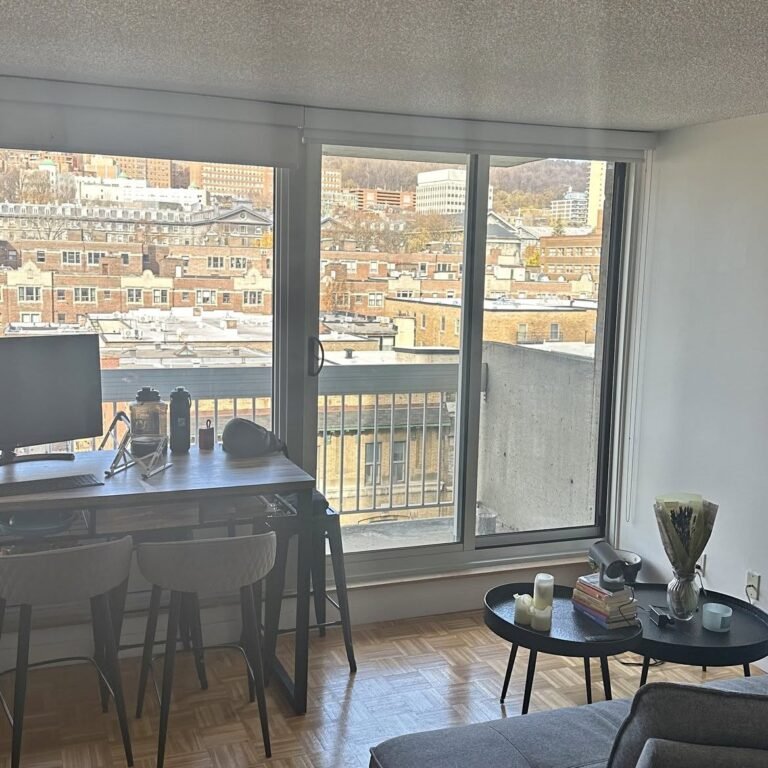
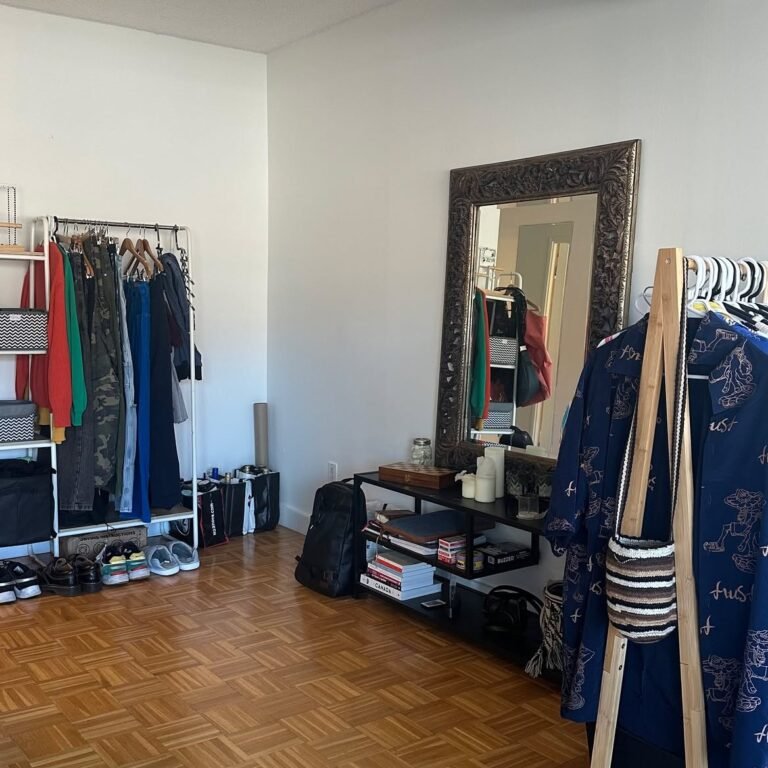
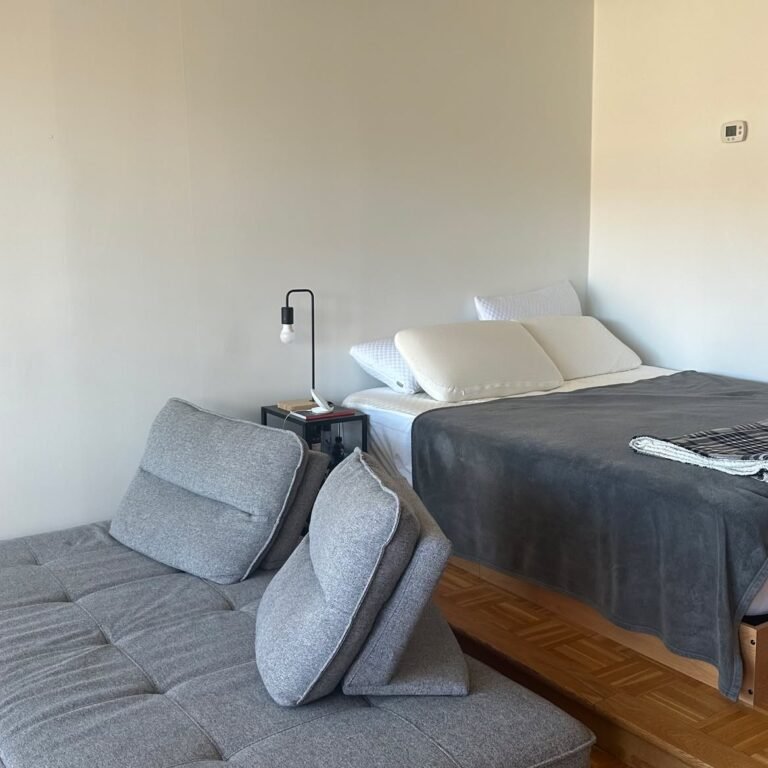
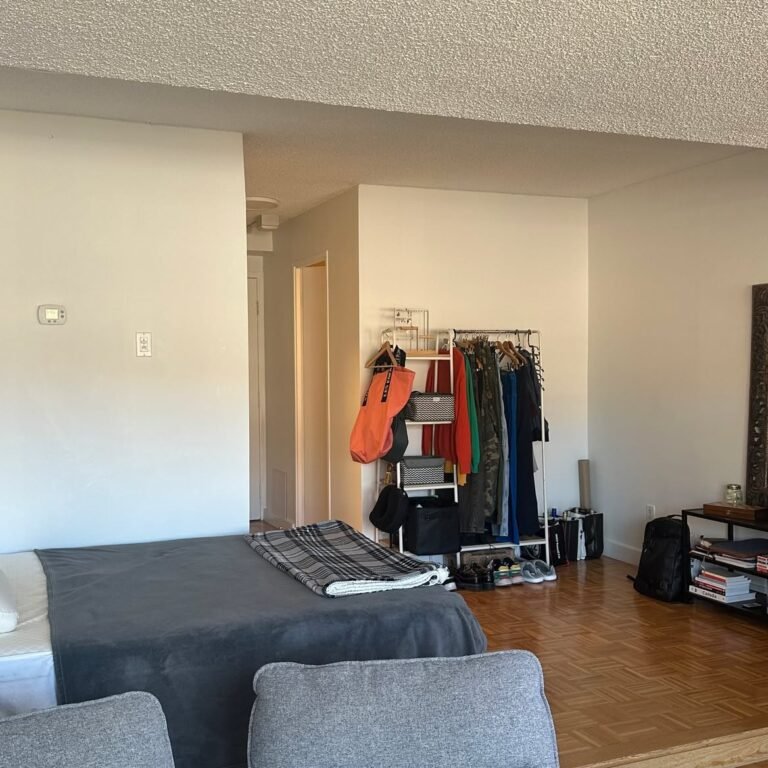
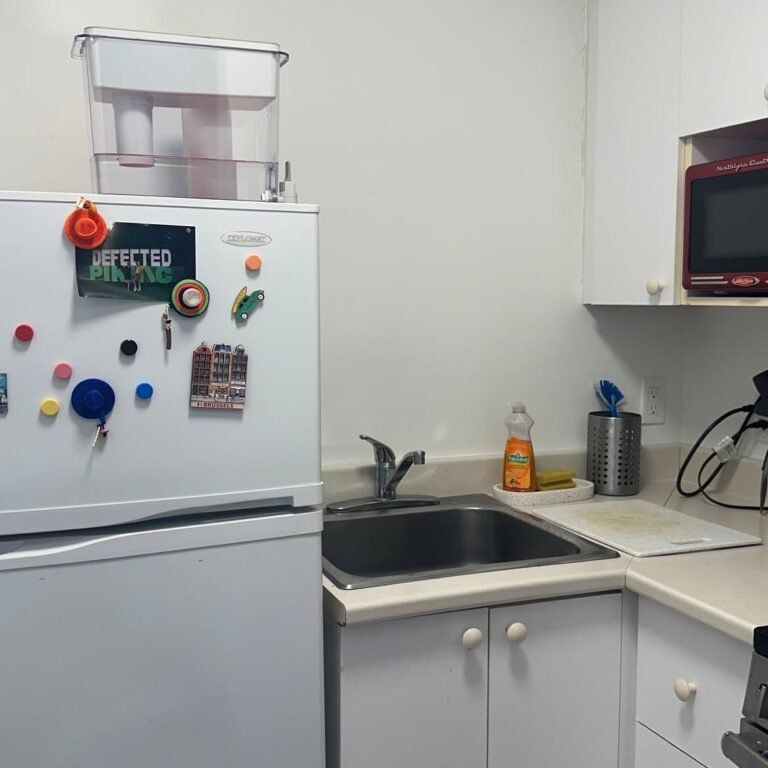
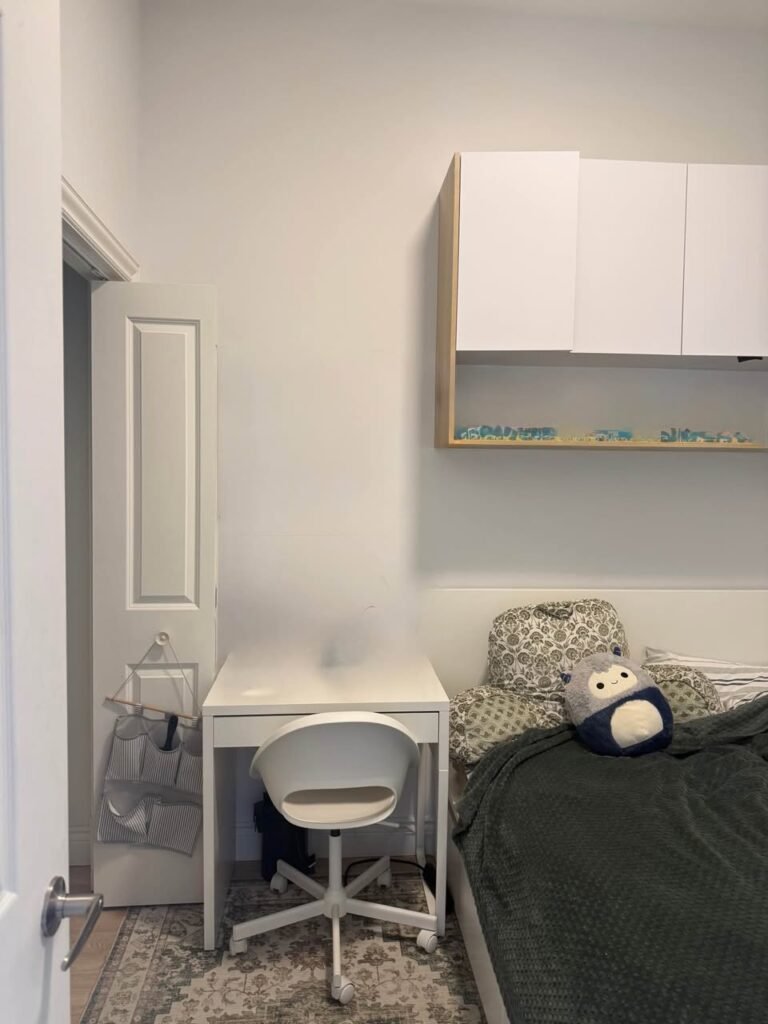

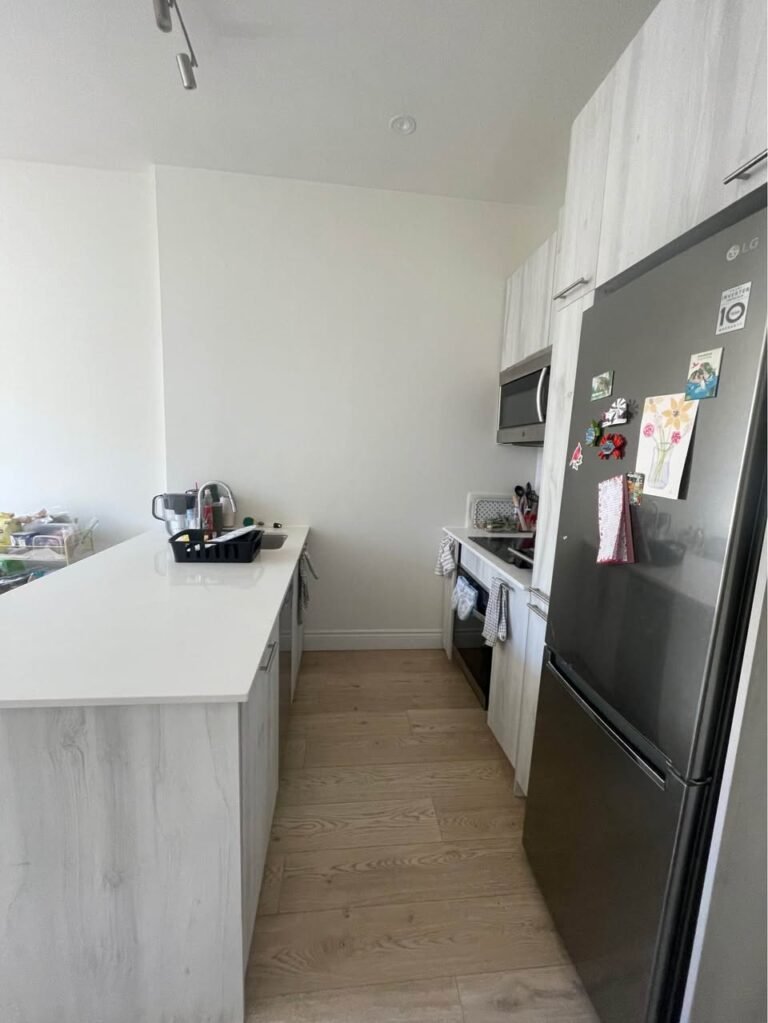

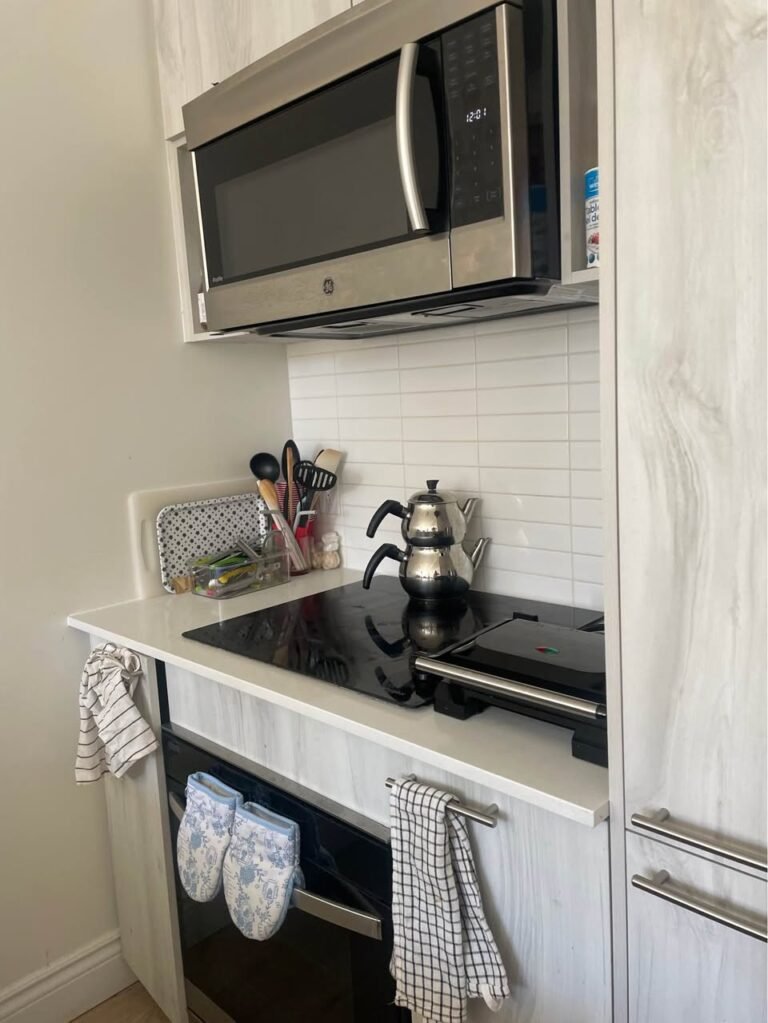
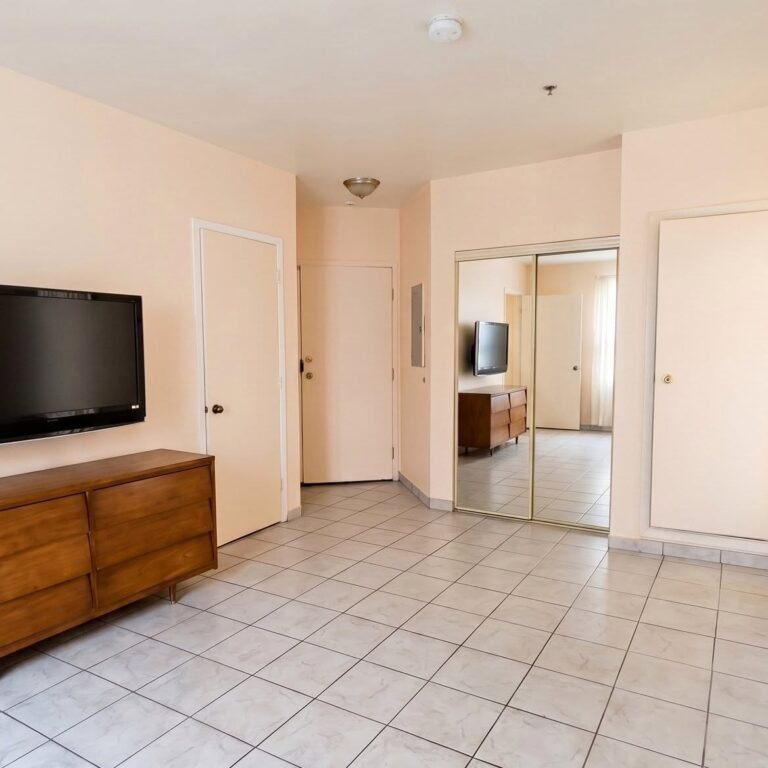
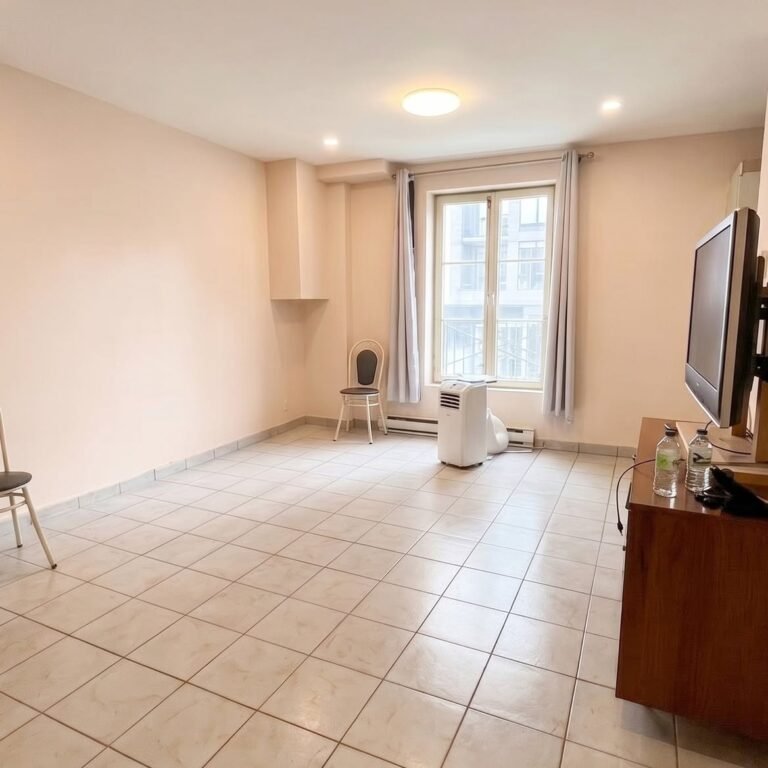
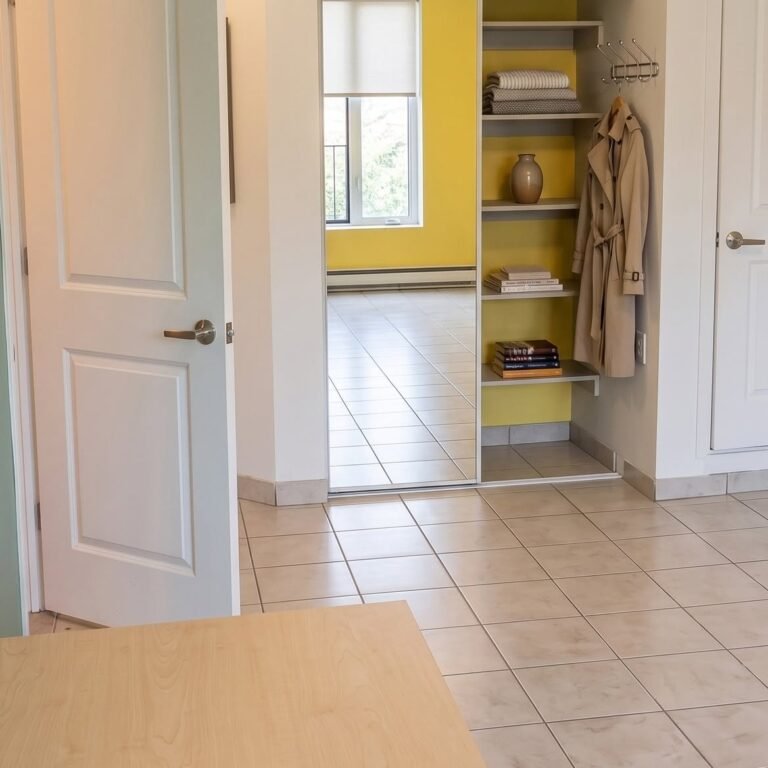

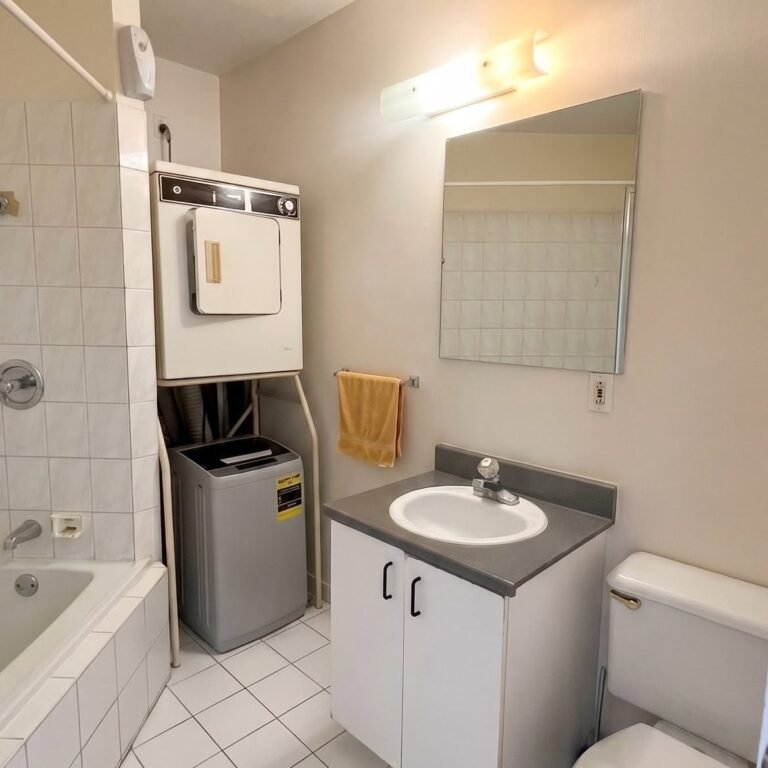
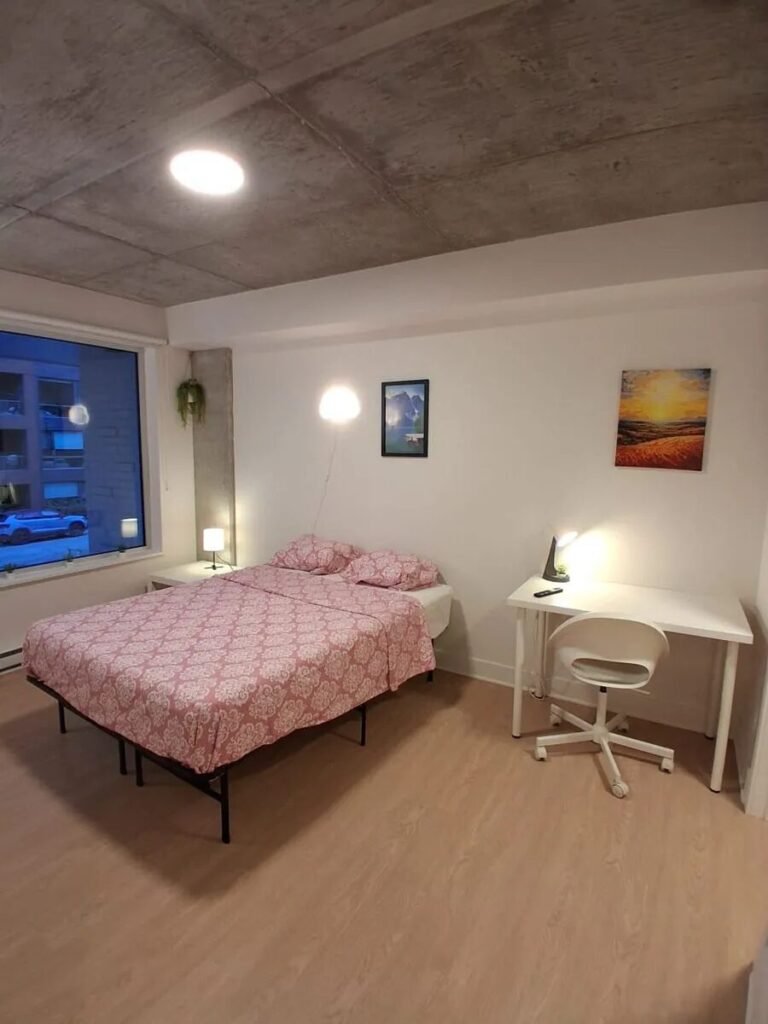
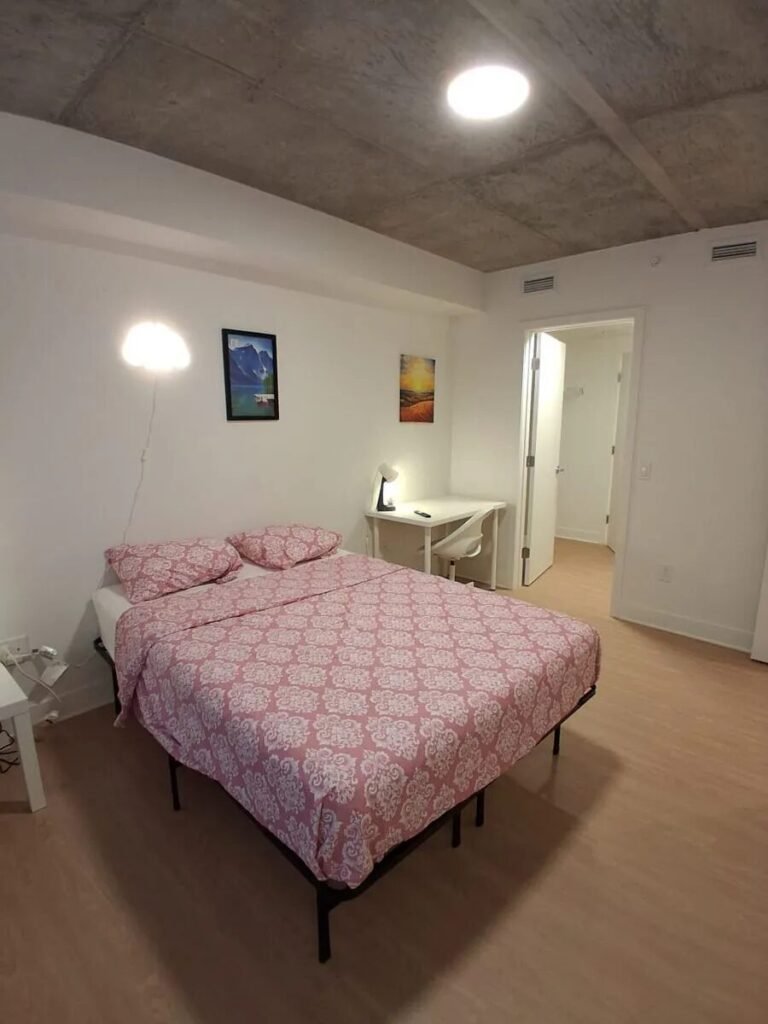

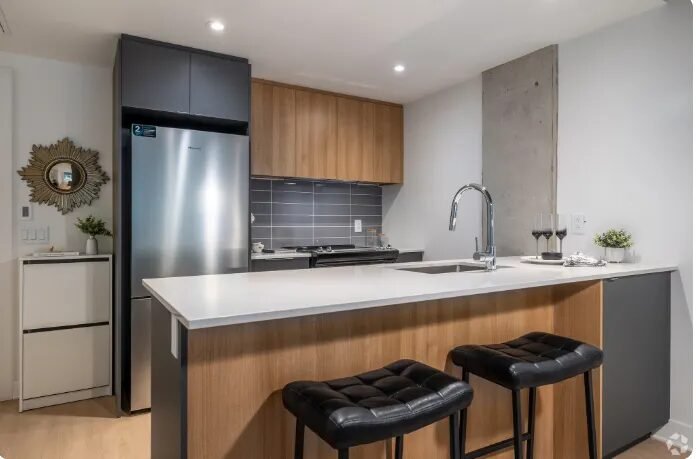
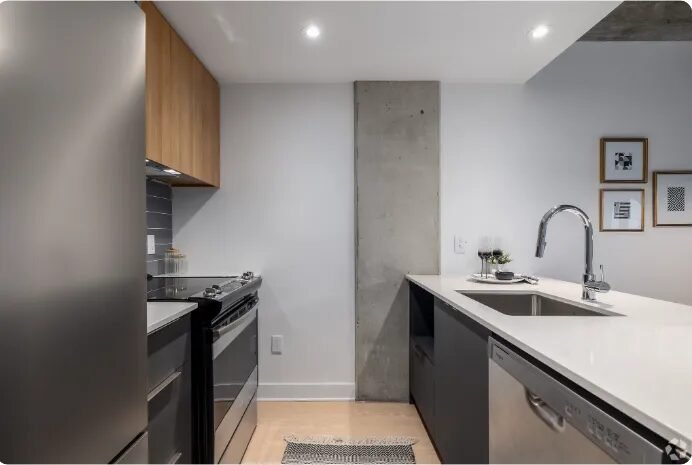
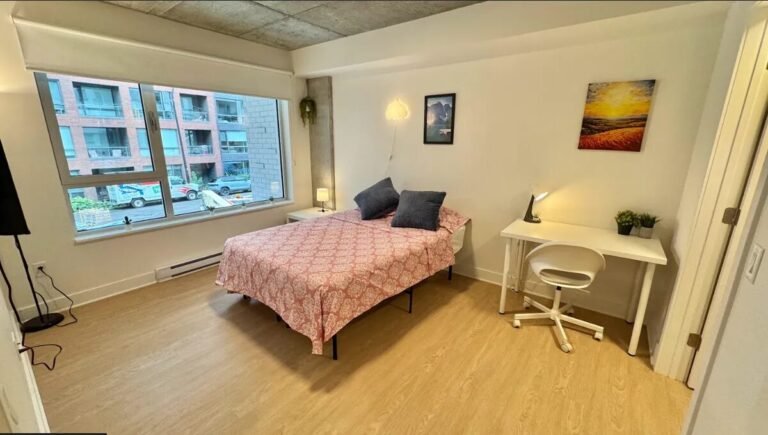


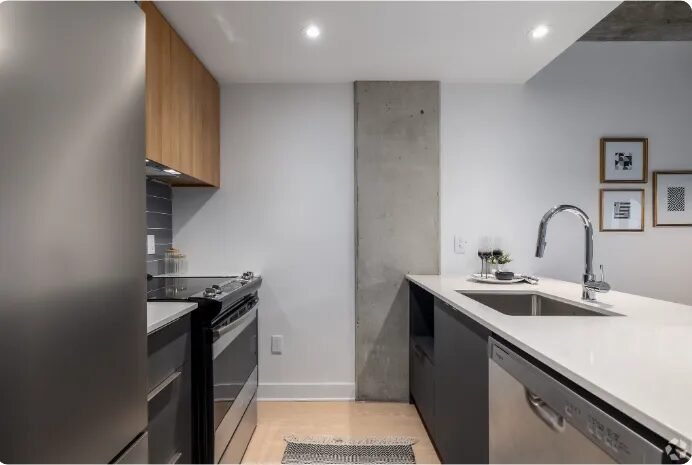
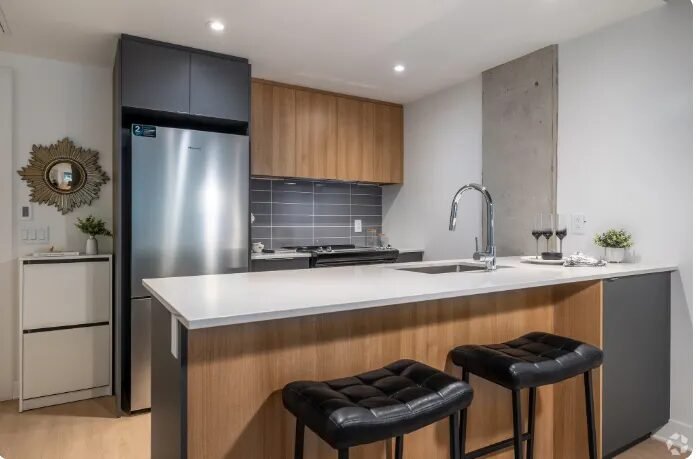
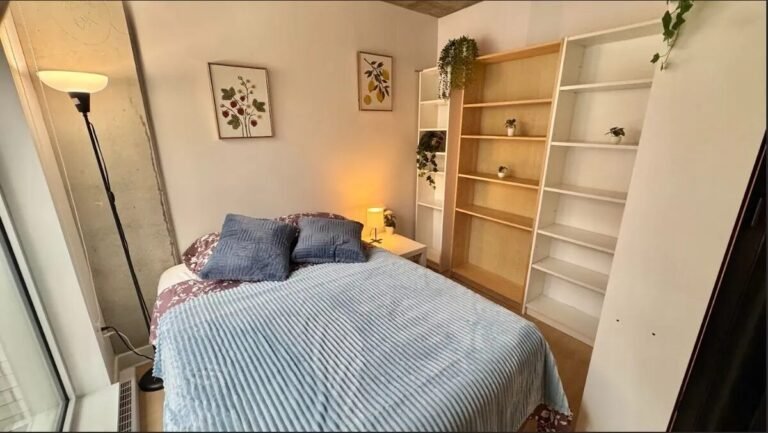
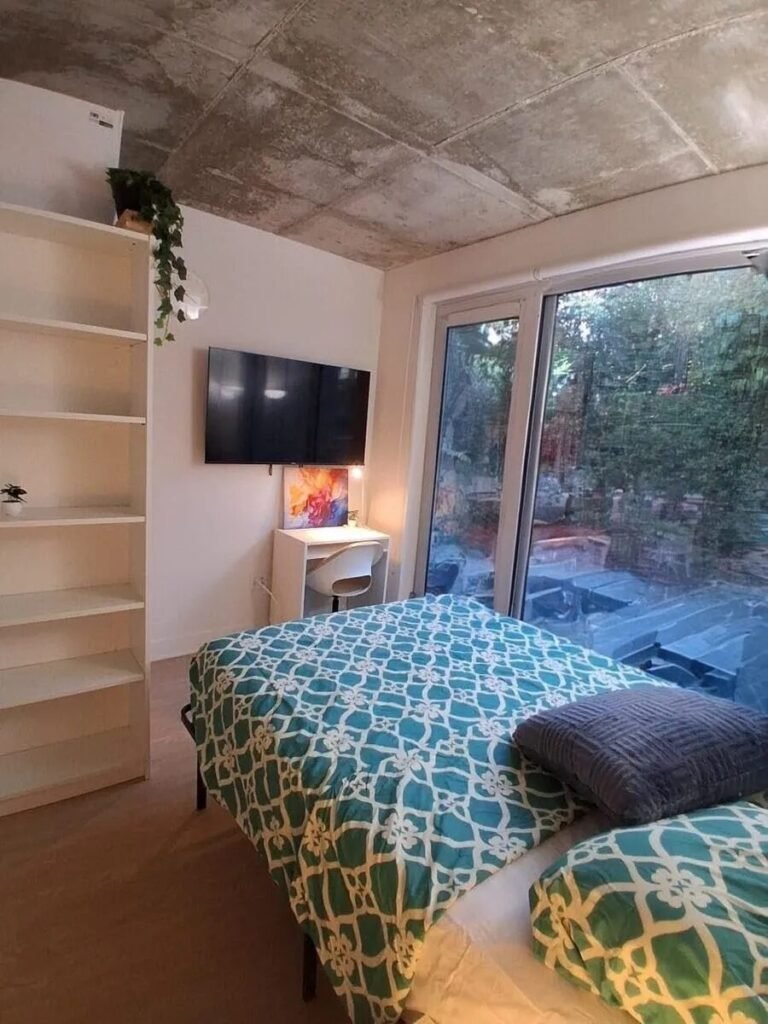
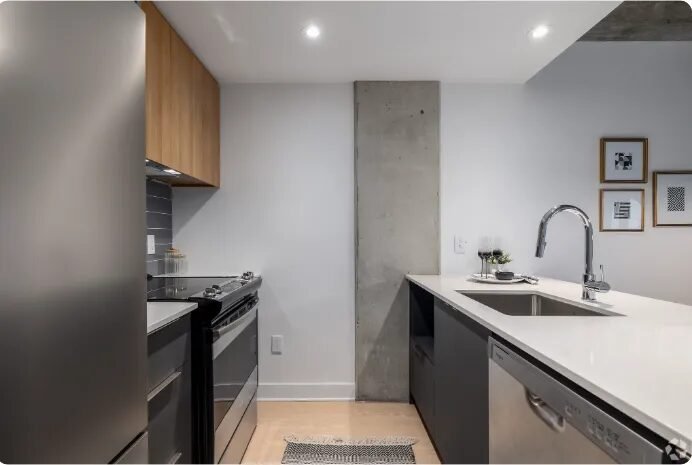
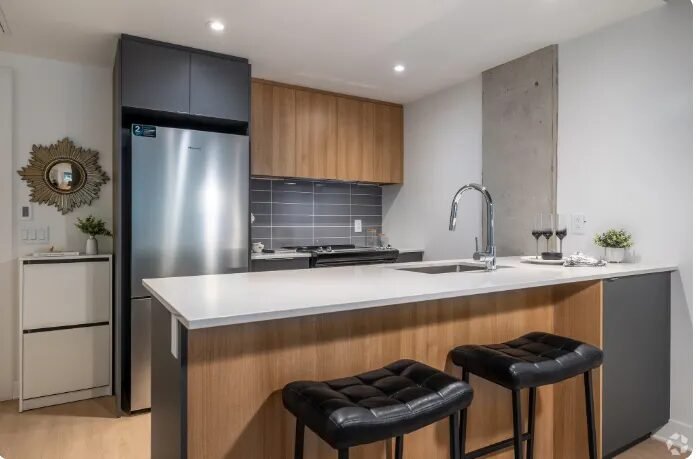

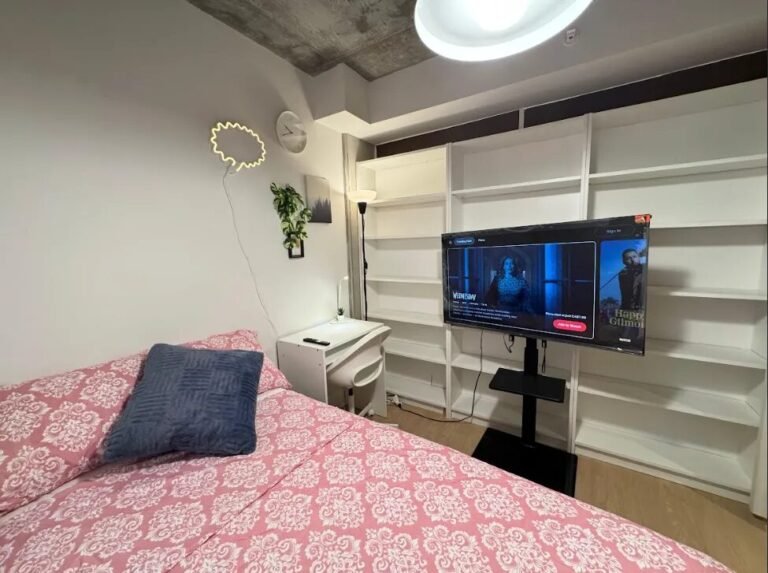
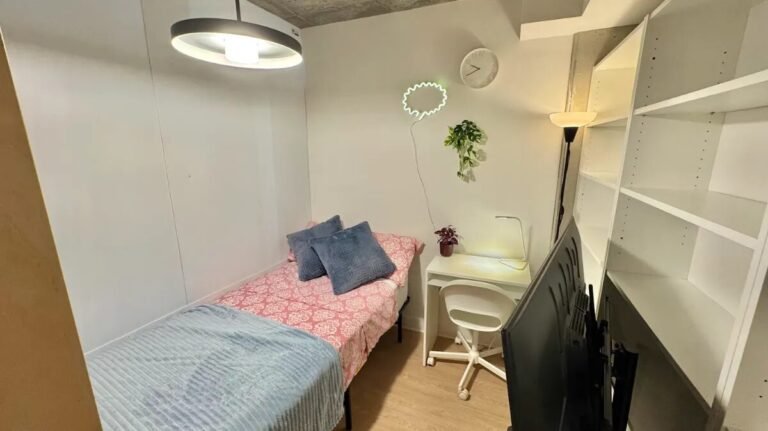
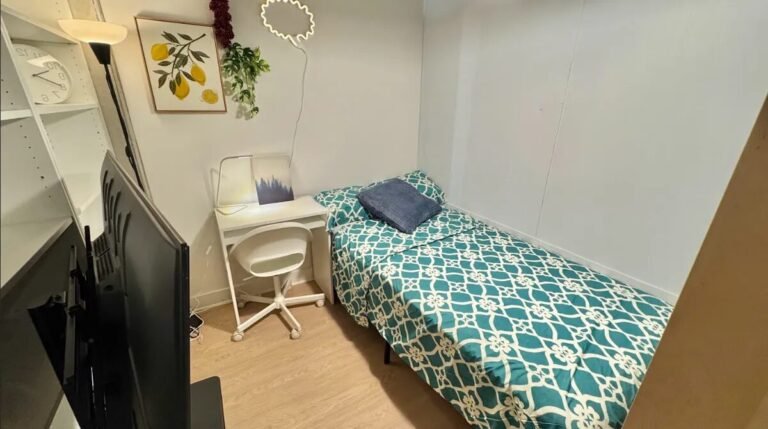
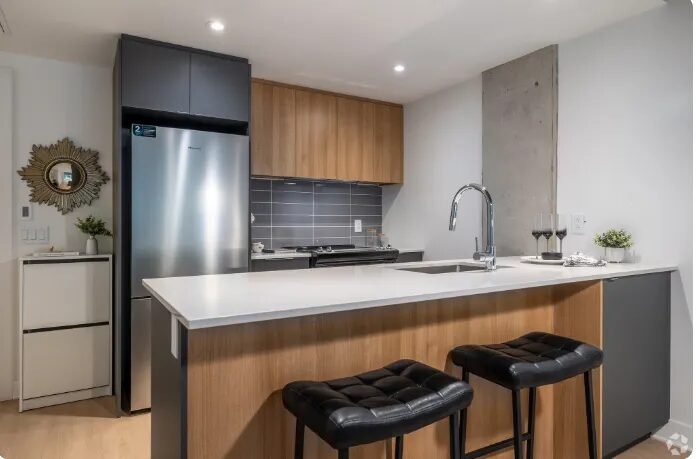
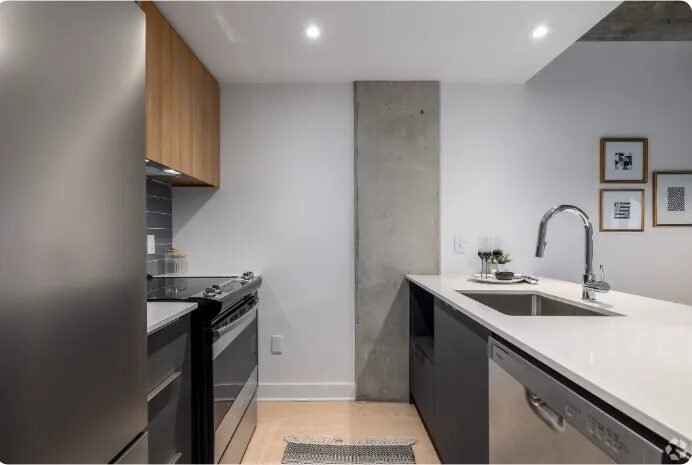
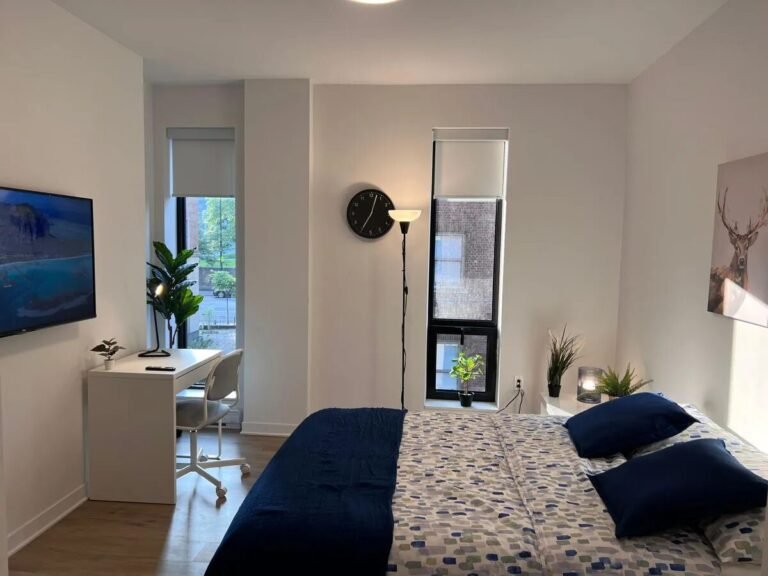


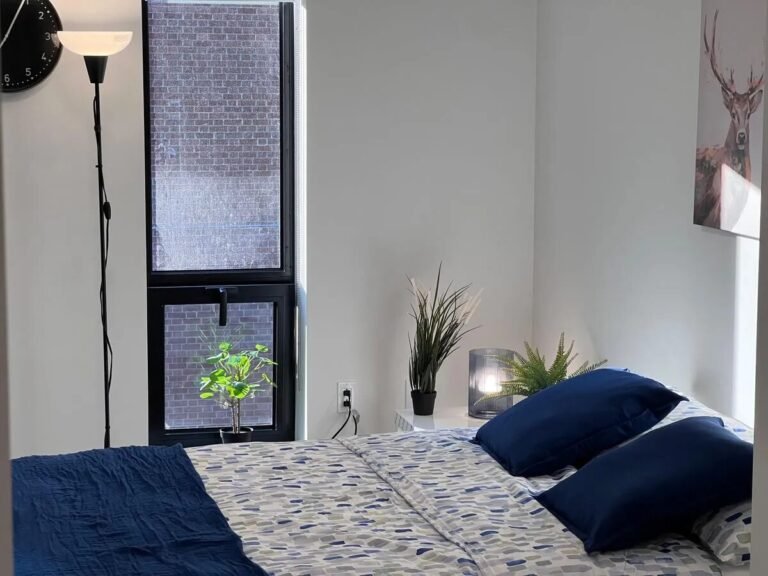
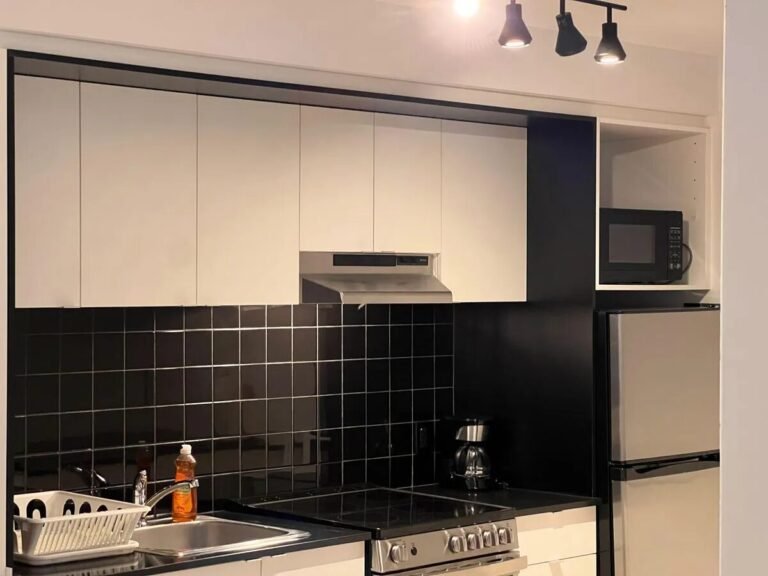
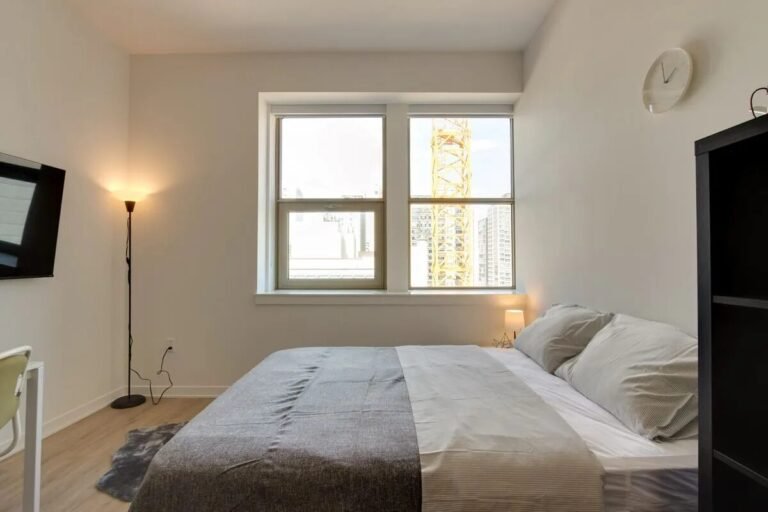
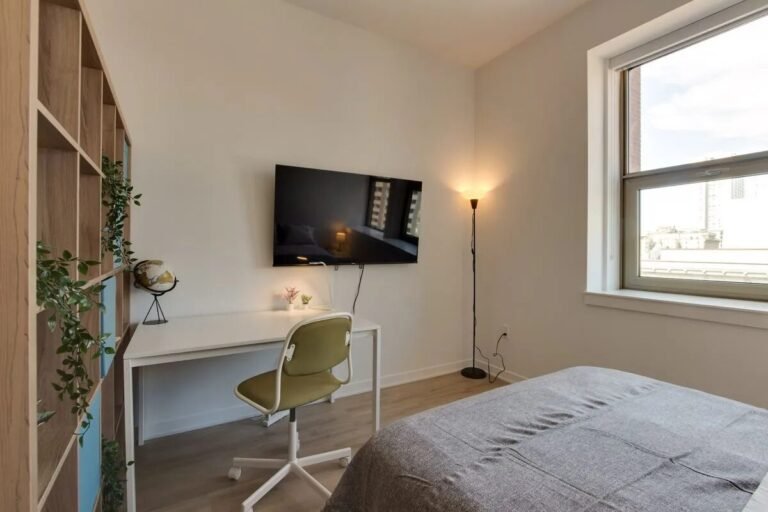
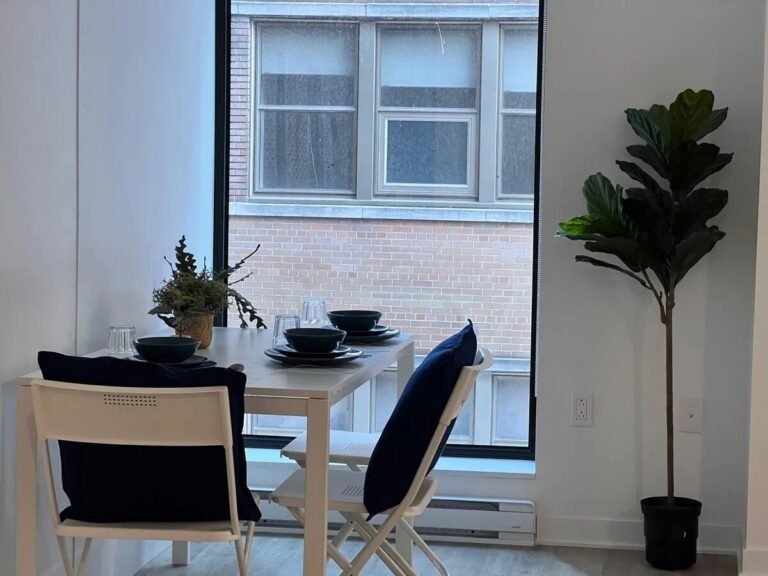
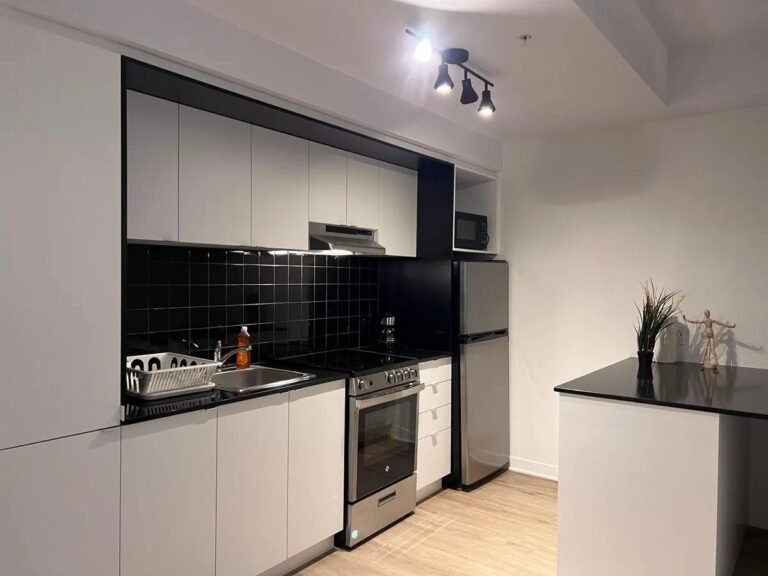
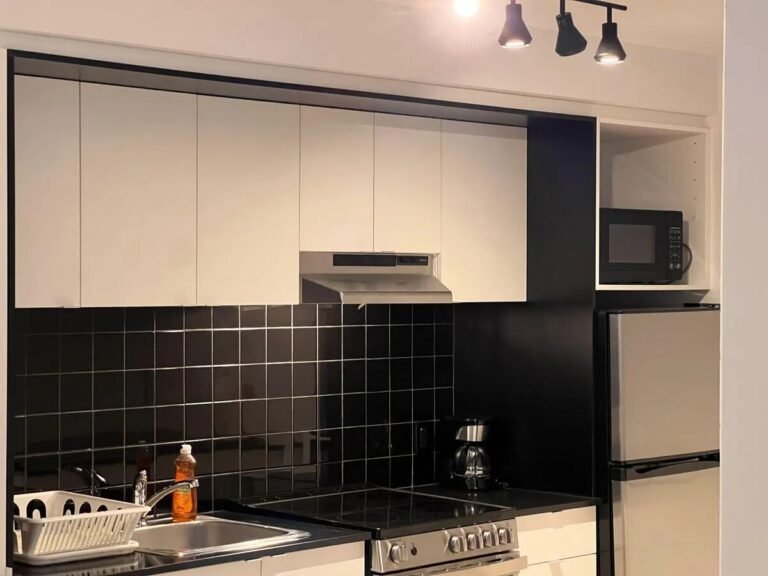
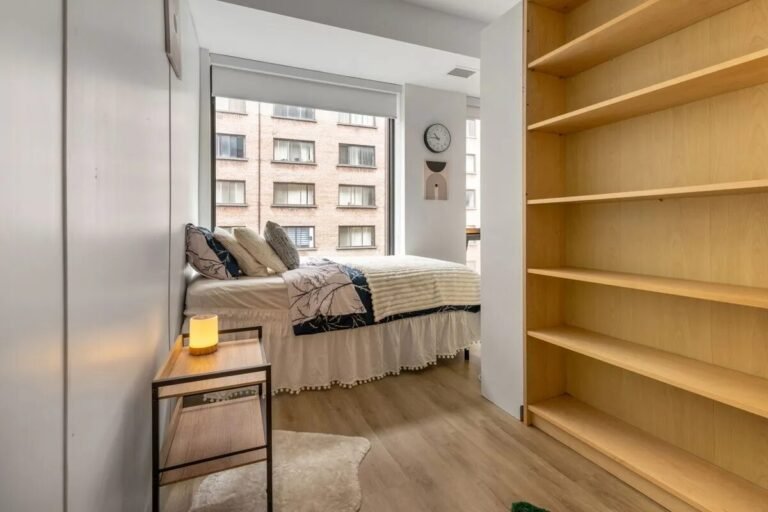


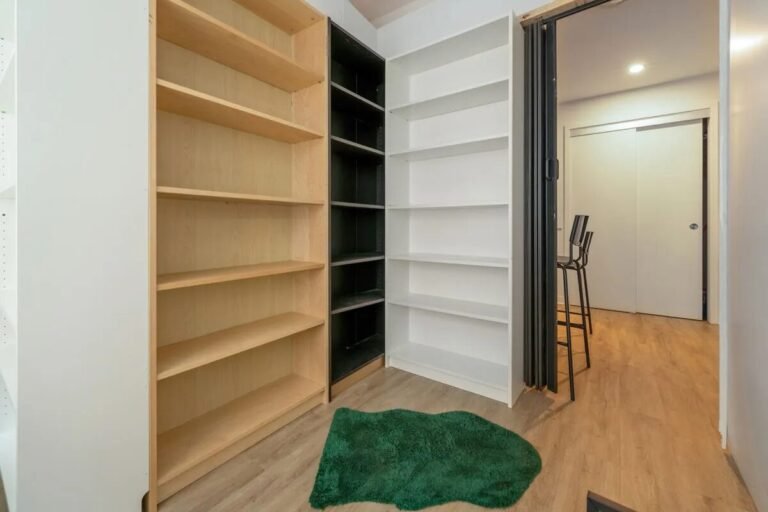
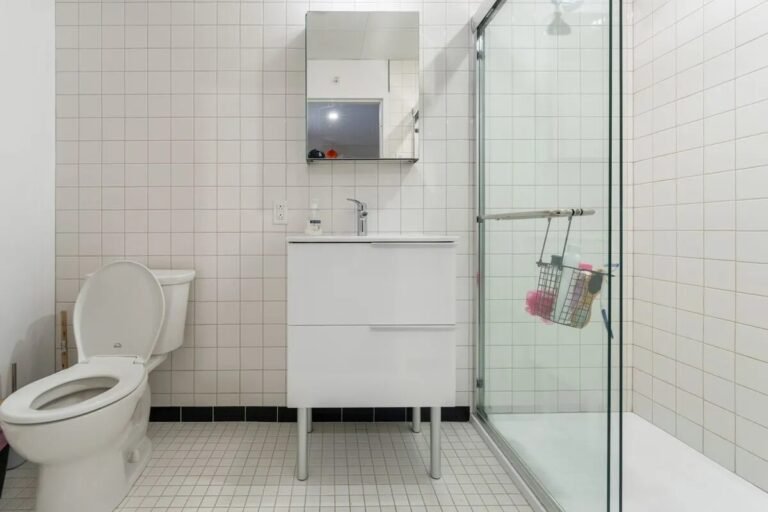


Rent by room type in Montreal
| Room type | Rooms live now | From | Typical |
|---|---|---|---|
| Private room | 8 | CA$693/month | CA$986/month |
| Studio | 1 | CA$1,200/month | CA$1,200/month |
| Ensuite room | 1 | CA$1,278/month | CA$1,278/month |
| Entire apartment | 1 | CA$2,154/month | CA$2,154/month |
6 rooms at or below CA$1,000/month right now.
Live listings on Rentser today. Rooms priced by the week are shown as a monthly equivalent (weekly × 52 ÷ 12). Updated every hour.
Student Housing in Montreal: Complete 2026 Guide
Looking for student housing in Montreal? Whether you're starting at McGill, Concordia, Université de Montréal, UQAM, Polytechnique Montréal, or HEC Montréal, finding the right room means navigating Canada's most affordable major city — alongside a uniquely tenant-friendly legal framework. Quebec is the only...
Why Montreal for Students
Montreal hosts approximately 230,000 post-secondary students across more than 20 institutions — the highest student concentration per capita in Canada. Université de Montréal (67,000 students, 25% international) leads the francophone university ecosystem with Université du Québec à Montréal (UQAM, 47,000 students, 12% international), Polytechnique Montréal (9,000 students, 26% international engineering school), and HEC Montréal (14,000 students, 38% international — the highest international ratio in Canada for a business school). McGill University (40,000 students, 31% international) and Concordia University (51,000 students, 28% international) anchor the anglophone ecosystem.
STM — Société de transport de Montréal — operates an extensive transit network with four Métro lines (Green, Orange, Yellow, Blue), the new REM Réseau express métropolitain electric light rail (opened 2024-2025), and city bus network. A monthly STM Opus pass costs $75 CAD — the most affordable major-city transit pass in Canada. Berri-UQAM, Mont-Royal, Laurier, and Université-de-Montréal stations serve as the major student transit hubs.
Montreal's student infrastructure is exceptional: bilingual academic programming (both English and French institutions), affordable housing relative to Toronto or Vancouver, and a creative ecosystem unmatched in Canada (Ubisoft Montreal + Electronic Arts + Eidos game development cluster, Cirque du Soleil headquarters, the Festival International de Jazz, Just for Laughs, Mila AI research institute, Element AI heritage). Part-time work options for students are unusually deep — bilingual hospitality, video game tester roles, AI internships at Mila, and creative industry assistantships are all reachable by Métro across the metro area.
Compared to other Canadian student cities, Montreal sits between Toronto (more expensive, more anglophone) and Quebec City (smaller, more francophone) — offering bilingual academic + creative culture + Canada's strongest tenant protections at the lowest rent in any major Canadian city.
Best Neighborhoods for Montreal Students
| Neighborhood | Private Room (CAD) | Best for | Walk Score |
|---|---|---|---|
| Plateau Mont-Royal | $800 | iconic outdoor staircases | — |
| Mile End | $750 | Hasidic Jewish heritage + indie creati | — |
| Verdun | $600 | south Montreal value-tier along Saint | — |
| Hochelaga-Maisonneuve (HoMa) | $620 | east Montreal francophone working clas | — |
| Rosemont | $680 | north central residential character | — |
| Outremont | $850 | francophone bourgeois neighborhood nea | — |
| Notre-Dame-de-Grâce (NDG) | $700 | west end anglophone heritage | — |
| Westmount | $900 | premium English-speaking residential | — |
The right Montreal neighborhood depends on which campus you're attending, your French fluency level, and how much of your budget you'll dedicate to STM pass versus rent. Here are eight neighborhoods where Montreal students rent most often, with average private-room rent ranges and the trade-offs of each.
Verdun ($550-$650)
South Montreal value-tier neighborhood along the Saint Lawrence River. Wellington Street commercial revitalization, Métro Green Line access at Verdun station, and 15-minute Métro ride to McGill or UQAM. Best for budget-conscious Concordia students at the Loyola campus (10-minute bus), Polytechnique students (transfer at Berri-UQAM), and any student prioritizing affordable rent with riverside access. Recent gentrification has pushed prices up but Verdun remains Montreal's most affordable Métro-served neighborhood.
Hochelaga-Maisonneuve (HoMa) ($600-$700)
East Montreal francophone working-class neighborhood. Marché Maisonneuve and Olympic Stadium proximity. Métro Green Line access at Pie-IX and Joliette stations. 20-minute Métro to McGill or UQAM downtown. Best for francophone students at UQAM and UdeM Maisonneuve campus, students prioritizing Eastern Montreal authentic character, and budget-conscious roommate seekers willing to commute to anglophone campuses.
Rosemont ($650-$750)
North-central residential neighborhood centered on Promenade Masson. Family-oriented with growing graduate student presence. Métro Blue Line at Rosemont and Beaubien stations. 15-minute Métro to UdeM. Best for UdeM graduate students, mature students wanting quiet residential surroundings, and any student prioritizing French-speaking neighborhood culture without Verdun's commute.
Notre-Dame-de-Grâce (NDG) ($650-$750)
West-end anglophone heritage neighborhood centered on Monkland Avenue. Concordia Loyola campus walking distance + 10-minute Métro Orange Line ride to McGill at Snowdon station. Family-friendly with strong English-speaking community. Best for Concordia Loyola students, anglophone McGill students preferring west-end character, and students prioritizing English-language services.
Mile End ($700-$800)
North Plateau neighborhood blending Hasidic Jewish heritage with indie creative class. Fairmount Bagel + St-Viateur Bagel rivalry, Bernard Avenue cafés, vintage shops. Walking distance to Plateau and 15-minute Métro Orange Line to McGill at Mont-Royal station. Best for Concordia students, creative-industries students at UdeM in graphic design or film, and any student valuing Montreal's iconic Mile End cultural identity.
Plateau Mont-Royal ($750-$850)
Iconic Montreal neighborhood famous for outdoor wrought-iron staircases, Saint-Laurent Boulevard restaurants + bars, and Saint-Denis Street nightlife. McGill Ghetto adjacent — the most concentrated student-share neighborhood in Montreal. Métro Orange Line at Mont-Royal and Sherbrooke stations. Best for McGill students wanting walkable campus access, anglophone Concordia students prioritizing Plateau social life, and any student valuing classic Montreal aesthetic.
Outremont ($800-$900)
Francophone bourgeois neighborhood west of Mile End and north of McGill. Leafy tree-lined streets, premium quiet residential character, walking distance to UdeM main campus. Métro Blue Line at Outremont station. Best for UdeM graduate students with higher budgets, francophone HEC Montréal students, and students prioritizing quiet residential study environments over Plateau social density.
Westmount ($850-$950)
Premium English-speaking residential enclave west of downtown. Greene Avenue luxury retail, Mount Royal Park western access, mature trees. Métro Green and Orange Lines at Atwater and Lionel-Groulx stations. Highest student-friendly rent tier in Montreal, justified by walking distance to Concordia + 15-minute Métro to McGill + premium residential character. Best for students with higher budgets at McGill + Concordia, graduate students with families, and students prioritizing established residential neighborhoods.
Universities and Off-Campus Housing
Pick your campus
McGill University
Total students40,000International31%Off-campus housingHousing office →
Concordia University
Total students51,000International28%Off-campus housingHousing office →
Université de Montréal (UdeM)
Total students67,000International25%Off-campus housingHousing office →
Université du Québec à Montréal (UQAM)
Total students47,000International12%Off-campus housingHousing office →
Polytechnique Montréal
Total students9,000International26%Off-campus housingHousing office →
HEC Montréal
Total students14,000International38%Off-campus housingHousing office →
Each Montreal university has its own preferred student neighborhoods, on-campus housing patterns, and bilingual academic culture. Here's the practical layout for the four largest enrollment campuses:
What It Actually Costs in 2026
| Type | Range | Median | Includes |
|---|---|---|---|
| Shared room (3-4 BR) | $600–$900 | $680 | Utilities + WiFi typical |
| Studio apartment | $892–$1,207 | $1,050 | Utilities sometimes extra |
| 1-bedroom | $1,088–$1,472 | $1,280 | Utilities extra |
Use these ranges as a budgeting starting point. Actual Montreal rent depends on proximity to your specific campus, which Métro line you're on, and how the unique no-deposit Quebec rule affects your upfront costs.
Most Montreal leases are "bills-extra" — you pay utilities separately on top of rent. "Bills-included" rentals exist but typically cost $100-$150/month more.
Deposit norms (Quebec unique): Quebec is the only Canadian province that prohibits security deposits entirely. Landlords cannot collect any security deposit at lease signing. They can collect first month rent only. This dramatically lowers move-in costs compared to Toronto ($2,000+ at signing), Vancouver ($1,000+), or Boston ($3,500+). However, landlords may screen more rigorously through credit checks, employer letters, and guarantor requirements.
Rent control: Quebec's Tribunal administratif du logement (TAL) publishes annual recommended rent increase guidelines (~2.5-3.5% in recent years). Sitting tenants have strong "right to remain" protections — landlords cannot evict for renovation without TAL approval. Lease renewals are automatic unless landlord serves proper notice 3-6 months ahead of lease end.
July 1 Moving Day premium: Approximately 250,000 Quebec leases end on July 1 every year. Moving companies are booked 60+ days ahead. Streets congested with trucks. Plan May-June searches for July 1 move-in; off-cycle moves (September 1, January 1) face thinner inventory but less moving chaos.
International Student Tips
Montreal hosts the highest international student population per capita of any major Canadian city — approximately 85,000+ international students across the metro, with HEC Montréal at 38%, McGill at 31%, Concordia at 28%, and Polytechnique at 26%. The Quebec rental process has specific quirks worth knowing before you fly to Montreal.
You can rent without Canadian credit history. Most Montreal landlords accept proof of admission to a Canadian post-secondary institution + a guarantor (often a parent), or a larger upfront payment (first month plus optional rent prepayment in lieu of security deposit). Quebec's no-deposit rule means landlords screen more rigorously — be prepared with employment + financial documentation.
Bring documents to your viewing. Passport, study permit (or letter of acceptance if not yet issued), proof of admission, and proof of funds. If you sign a lease, the landlord will likely want all four documents plus a CIBC, Desjardins, or Bank of Canada-affiliated banking reference. Application fees are not allowed in Quebec.
Verify the listing before paying anything. Common Montreal scam patterns include fake Kijiji and Facebook Marketplace listings demanding wire transfers, and impersonator landlords claiming to be "out of country" or "traveling for business." Visit in person, or accept only verified video tours with face-to-camera by the actual landlord.
Study permit + housing intersection. International students with Canadian study permits have full rental rights in Quebec. Standard student housing leases do not affect immigration status or work authorization. See Government of Canada Study Permit Information for the latest requirements.
Bilingual cultural transition tip. Plateau Mont-Royal, Mile End, NDG, Westmount, and downtown have significant English-speaking communities. East Montreal (Hochelaga, Rosemont, eastern Plateau) is more francophone. McGill International Student Services + Concordia International Students Office maintain partnerships with bilingual student-heavy buildings and roommate-matching programs.
How to Find Student Housing in Montreal
The Montreal rental market follows uniquely Quebec patterns. Follow this sequence to maximize options and protect against scams.
Start 60-90 days before move-in. For July 1 Moving Day, begin May search. For September academic-year start at McGill or Concordia, begin June. Off-cycle moves (October-February) face thinner inventory but winter discount opportunities — landlords often discount 10-15% to fill vacancies during -15°C January weather.
Where to search. Browse curated Montreal rentals on Rentser — direct landlord listings organized by neighborhood + arrondissement. Cross-reference with your university's off-campus housing service (McGill, Concordia, UdeM, UQAM all maintain vetted landlord databases).
Verify lease renewal rules. Quebec leases automatically renew unless landlord serves proper 3-6 month written notice. As a roommate, ask about previous tenant turnover and confirm with landlord that the unit is not subject to renovation eviction proceedings.
Red flags. Listings asking for security deposit (illegal in Quebec — this alone identifies a scam or non-compliant landlord), urgency pressure ("decide today"), wire transfer requests before in-person viewing, landlords claiming they're "traveling and can't meet in person," any request for application fees (not allowed in Quebec).
Ready to start? Browse curated Montreal listings on Rentser →
All Montreal room rental guides
Compare every Montreal rental type — student, working-professional, shared, furnished, studio, and budget options.
MontrealRent a RoomMontrealShared LivingMontrealFurnished Rooms on RentMontrealStudio on RentMontrealFind a RoomMontrealStudent AccommodationMontrealStudent RentalsMontrealStudent LivingMontrealRooms on RentMontrealShared Rooms on RentMontrealFind a Room on RentMontrealStudio Apartment
About this guide: Updated quarterly using Tribunal administratif du logement Quebec + CAD/month · CMHC Rental Market Report Fall 2025 + Re.
By the Rentser Editorial Team · Last updated June 2026 · For information only; consult a qualified attorney for legal advice.
Live · Montreal
Student rooms available now
Room 1Montreal…Room 2Montreal…Room 3Montreal…
Cross-theme
Need a roommate?
Match with Montreal students by university, lease length, and budget.
Quick links
- Renting in Montreal: market guide
- People looking for a room in Montreal
- Movers, cleaners and other services in Montreal
More in Montreal: Rooms for Rent in Montreal · Studio Apartments in Montreal · Find a Roommate in Montreal · Shared Living in Montreal · Coliving in Montreal
Rooms for rent in other cities: Edmonton · Ottawa · Toronto · Vancouver
More Montreal student housing guides
Student Accommodation in Montreal: 2026 University Residence Guide
Looking for student accommodation in Montreal? Whether you're starting at McGill University, Concordia University, Université de Montréal (UdeM), Université du Québec à Montréal (UQAM), École de Technologie Supérieure (ÉTS), or one of Montreal's 25+ post-secondary institutions (Canada's second-largest student...
Why University Residences in Montreal
Montreal hosts approximately 190,000 post-secondary students — second only to Toronto in Canada. McGill (40,000), Concordia (50,000), UdeM (67,000), UQAM (40,000), ÉTS (8,000), HEC Montréal (15,000) anchor major institutional residence programs.
University residences provide critical Montreal-specific advantages: most affordable Canadian student housing (vs Toronto/Vancouver), bilingual community (English + French + 30+ home languages), and immediate cultural immersion in Quebec's distinct civic culture.
Quebec Civil Code distinguishes Montreal from rest of Canada — security deposits PROHIBITED entirely. Standard Montreal rentals require first-month rent only at signing with optional pre-paid rent in advance. Residence licenses simplify even this.
STM (Société de Transport de Montréal) Metro + Bus connects all major Montreal university residences. McGill walking-distance to Bonaventure + Place-des-Arts stations. Concordia at Guy-Concordia station. UdeM at Université-de-Montréal station. UQAM at Berri-UQAM station.
Bilingual nature of Montreal makes language support critical — McGill (English primary), Concordia (English primary), UdeM (French primary), UQAM (French primary), ÉTS (French primary). International students particularly benefit from bilingual residence communities supporting language transitions.
Employer hubs
Pharmaceutical
Key districtPharmaceuticalNearby areasNotre-Dame-de-Grâce (NDG) · Westmount · Plateau Mont-RoyalSectorPharmaceutical
Tourism
Key districtTourismNearby areasVerdun · Hochelaga-Maisonneuve (HoMa) · RosemontSectorTourism
Application Process + Deadlines
Montreal's residence application cycle runs January-April:
Critical Montreal deadlines:
- McGill: February 28 (earliest)
- Concordia: March 15
- UdeM + ÉTS: March 31
- UQAM: April 15
Application fees: $50-$125 CAD per institution.
Quebec-specific application notes:
- No security deposits — universities require deposit ($500-$1,000 CAD)
- Bilingual applications — French + English acceptable at all majors
- International student priority — McGill + Concordia have strong international student support
- July 1 moving day — Montreal's unique pan-Quebec rental cycle (most leases start July 1, not September 1) — universities accommodate September-March academic move-ins
Missed deadline? Montreal's private student rental market opens March-June with July 1 peak. See Montreal Student Housing and Student Rentals. Quebec Civil Code NO security deposit advantage significant.
Residence Types Comparison
Cost includes: Rent + utilities + internet + furniture. Meal plans separate ($4,000-$5,800/year mandatory at traditional residences). Total residence + meal: $11,200-$19,300/year.
Meal Plans + Bilingual On-Campus Amenities
Montreal residence meal plans tier: light (10 meals/week + flex, ~$3,200/year), standard (14 meals + flex, ~$4,500), full board (19+ meals + flex, ~$5,800).
Dietary accommodation: Vegetarian + vegan standard. Halal at McGill (some halls), Concordia (Hingston Hall), UdeM. Kosher at McGill Hillel. Quebec cuisine influence — most universities feature poutine + bagels + smoked meat sandwiches alongside international options.
McGill residence life features extensive English-language programming, OAP (Open Air Pub) outdoor festivals, Carnaval winter celebrations, MUS Student Union activities.
Concordia offers strong arts + cultural programming, Concordia Student Union events, downtown integration (close to Place-des-Arts + Quartier des Spectacles).
UdeM + UQAM prioritize French-language community programming + Quebec cultural integration (Saint-Jean-Baptiste celebrations, Saint-Patrick's parade, Festival International de Jazz de Montréal).
Montreal lifestyle distinctives: Bilingual immersion, July 1 moving day cultural phenomenon, Quebec cuisine, accessible Laurentides skiing (Sea to Sky equivalent), bagels + smoked meat culinary traditions, Mont-Royal park hiking, Vieux-Montréal cobblestone streets.
International Student Residence Priority
Montreal's universities prioritize international students with bilingual support:
McGill International Student Services at mcgill.ca/internationalstudents coordinates accommodation + visa + financial support + English-language support (vs Quebec's predominantly French environment). McGill's 30% international enrollment drives extensive support.
Concordia International Students' Office at concordia.ca/international supports accommodation + visa + cultural adjustment + English-language programming.
UdeM Bureau de l'Étudiant International at international.umontreal.ca provides accommodation + French-language support + visa coordination.
UQAM Service de l'Accueil et de l'Intégration des Étudiants Internationaux supports accommodation + bilingual integration.
Quebec-specific international student considerations:
- Study permit application $150 CAD + biometrics $85
- Health insurance: Mandatory iMED international health insurance $984/year (Quebec RAMQ not available to international students)
- Bilingual environment — English-medium universities (McGill, Concordia) accommodate English-only students; French-medium universities (UdeM, UQAM, ÉTS) require French proficiency
- Bilingualism opportunity — Montreal residence offers immersive bilingual experience valuable for global career development
- Affordability — Montreal's lower cost of living vs Toronto/Vancouver attractive to international students
Pre-arrival orientation virtually offered by Montreal majors July-August, bilingual (English + French), covering Canadian banking, STM transit, Quebec health insurance, Quebec cultural integration, language transitions.
Student Housing in Montreal 2026: Best Neighbourhoods, Prices and Tips
Finding the right student housing in Montreal can be both exciting and challenging. With several universities, diverse neighborhoods, and many housing options, choosing where to live requires careful thought. Whether you’re a first-year student, an international student, or a graduate researcher, Montreal has housing solutions that fit different lifestyles and budgets. This guide will walk you through the best housing types, popular student-friendly areas, rental costs, and smart strategies to help you secure the perfect home in Montreal.
Table of ContentsWhy Montreal is a Great City for Students
Montreal is considered one of the best student cities in North America. It is home to top-ranked universities such as McGill University, Concordia University, and Université de Montréal. The city is affordable compared to Toronto and Vancouver, offers a strong public transportation system, and has a vibrant cultural scene. For students, this means a combination of academic excellence and exciting city life, making student housing in Montreal highly sought after.
Types of Student Housing in Montreal
When searching for student housing in Montreal, you’ll find a range of options that cater to different needs.
1. On-Campus ResidencesUniversity residences are convenient, especially for first-year students. They provide furnished rooms, meal plans, and a strong social environment. While slightly more expensive, the proximity to classes and campus amenities makes them a great choice.
2. Shared ApartmentsSharing an apartment with other students is one of the most affordable and popular options. Rent and utilities are divided, and it offers the chance to meet new people and enjoy a balanced social life.
3. Private Apartments or StudiosFor students who value privacy, renting a studio or a one-bedroom apartment is ideal. These come at higher costs but provide independence and flexibility. Many graduate and international students prefer this option.
4. HomestaysHomestays involve living with a local family, providing a safe and supportive environment. This option is often chosen by international students who want to practice French or English while adjusting to life in Montreal.
Best Neighborhoods for Student Housing in Montreal
Montreal is known for its unique neighborhoods, each offering a different vibe. Choosing the right location is key when searching for student housing in Montreal.
Plateau-Mont-RoyalTrendy, artistic, and full of cafés, the Plateau is one of the most popular student areas. Rent is higher, but the lively atmosphere makes it attractive.
Downtown MontrealPerfect for students at McGill or Concordia, downtown offers convenience, modern apartments, and quick access to entertainment and public transit.
Côte-des-NeigesThis neighborhood is close to Université de Montréal and HEC Montréal. Rent is more affordable than downtown, and the area has a strong student community.
Mile EndKnown for its artistic vibe and creative culture, Mile End is a favorite among students who enjoy a lively, multicultural setting.
VerdunAffordable and quiet, Verdun offers a balance of peaceful living and accessibility to downtown through the metro system.
Average Rent for Student Housing in MontrealRental prices depend on housing type and location. On average:
Shared apartments: CAD $500 – $800 per month
Studios or one-bedroom apartments: CAD $900 – $1,400 per month
On-campus residences: CAD $1,000 – $1,500 per month (sometimes including meals)
Compared to other major Canadian cities, student housing in Montreal is more budget-friendly, allowing students to enjoy city life without overwhelming expenses.
Tips for Finding Student Housing in MontrealStart Your Search Early – Begin looking 3–4 months before classes start, as demand rises in summer.
Set a Budget – Factor in not just rent but also utilities, internet, groceries, and transportation.
Check Lease Terms – Most landlords prefer 12-month leases, so confirm the duration before signing.
Visit Before Committing – Always see the apartment in person or through a verified virtual tour to avoid scams.
Stay Close to Public Transit – Living near a metro station makes commuting faster and cheaper.
Use Trusted Rental Platforms – Search through reliable websites, student boards, or university housing services.
For international students, adjusting to a new country and city can be challenging. Luckily, universities in Montreal provide dedicated housing assistance and orientation programs. Choosing student housing in Montreal not only helps with adjusting to academic life but also immerses students in a bilingual city where both French and English are commonly spoken. This creates opportunities for cultural exchange and language improvement.
Tags: Student Housing
Student Living in Montreal: 2026 Cost + Lifestyle Guide
Monthly Budget Breakdown
Montreal student monthly budget by category:
Rent (private room shared apartment): $550-$1,100 CAD Utilities (heat + electricity + Wi-Fi share): $60-$140 (winter heating significant) STM student pass (under 25): $59 monthly (~50% discount from regular $97) Groceries (cooking 5-6 days/week): $300-$450 Eating out (1-2 nights/week + lunch): $150-$300 (cheaper than other major cities) Textbooks (per semester, amortized monthly): $40-$80 Healthcare (RAMQ for Quebec residents): $0 (free) Personal care + toiletries: $30-$60 Mobile phone: $30-$60 Social life + entertainment: $80-$200 (cheap student-friendly culture) Winter clothing (annual amortization): $30-$60
Total monthly: $1,400-$2,500 CAD (median ~$1,700)
Median annual cost: ~$20,400 CAD = approximately $3,400 (9 months) + $2,200 (3 summer months).
Montreal premium vs Toronto/Vancouver: Montreal ~30-40% cheaper than Toronto, ~25-35% cheaper than Vancouver. Most affordable Canadian major city.
Working students can offset $700-$1,400/month with part-time jobs (15-20 hours/week at $14-$18/hour).
Summer internships at Montreal tech (Element AI, Lightspeed, Coveo, Mila) pay $4,000-$7,000/month.
Employer hubs
STM + Transportation
Montreal's STM is the cheapest major-Canadian-city transit:
STM student pass:
- Under 25 (universities, CEGEPs, schools): $59 monthly (~50% discount)
- Under 18: Even cheaper
- Adult (25+): $97 monthly
STM network:
- Metro — 4 lines (Green, Orange, Yellow, Blue)
- Bus — 200+ routes covering all Montreal districts + suburbs
- Local train — Exo trains to outer suburbs (less used by students)
- Bus Rapid Transit (BRT) — Pie-IX corridor
McGill routing:
- McGill Metro (Green Line) — Downtown direct
- Université-de-Montréal Metro — Côte-des-Neiges access
- Free shuttles between McGill campuses (Downtown ↔ Macdonald Campus)
Université de Montréal routing:
- Université-de-Montréal Metro + Snowdon + Côte-des-Neiges
- STM #51 bus + STM #105 for outer Montréal
- Université de Montréal shuttle between pavilions
Concordia routing:
- Guy-Concordia Metro — Downtown campus
- Loyola Metro — West Island campus
- STM #105 + STM #51
Cycling:
- BIXI bike-share — $90/year membership
- Cycling lanes (REV) along major streets
- Mild summer enables 6-7 months cycling
Walking:
- Plateau + McGill area + Mile End highly walkable
- Most students walk to classes within neighborhoods
Annual transit cost: $708 (student pass) vs $1,164 (adult) = $456/year savings.
Food + Groceries
Montreal student food planning:
Grocery shopping strategies:
- Provigo + IGA — Standard groceries
- Maxi + Super C — Discount chains
- Marché Jean-Talon — Saturday farmers market (north Plateau)
- Marché Atwater — Year-round farmers market (downtown)
- Adonis — Lebanese + Mediterranean groceries
- Au Coin Vert + PA Supermarché — Mile End ethnic grocers
Cooking-focused student ($300-$450/month groceries):
- French Canadian cuisine + Mediterranean influence
- Quebec local produce + cheese from Marché Jean-Talon
- Bulk groceries from Maxi + Super C
- 5-6 dinners cooked + 4-5 lunches packed
Mixed approach ($450-$700/month food):
- 3-4 cooked dinners + 2-3 restaurant dinners
- Coffee shop culture (Montreal café scene rich)
- Weekend brunch + Quebecois bistros
Montreal dining cheap vs Toronto/Vancouver. Average meal $12-$25 CAD (vs $20-$35 elsewhere).
Montreal specialties to budget for:
- Smoked meat (Schwartz's, Lester's)
- Bagels (St-Viateur, Fairmount)
- Poutine (Various stands + restaurants)
- Tourtière + Quebec specialties
International student grocery:
- Adonis — Lebanese + Greek + Mediterranean (large chain)
- PA Supermarché — Mile End diverse ethnic
- Marché Jean-Talon — Saturday morning fresh
- Asian + Vietnamese — Petits-Marchés
- Indian + Pakistani — Côte-des-Neiges, Park-Avenue
University meal plans: McGill optional for off-campus; Université de Montréal + Concordia similar.
Work + Income (Quebec Tax)
On-campus:
- University library + research — $14-$18 CAD/hour
- Teaching/research assistants — $20-$32/hour
- Dining + administrative — $14-$18/hour
- Tutoring — $20-$45/hour
Off-campus:
- Montreal tech companies (Lightspeed, Coveo, Element AI, Mila, Ubisoft, ULTIMUS) — $18-$28/hour internships
- Montreal creative + media — $16-$24/hour
- Montreal hospitality (restaurants, hotels) — $14-$18/hour
- Montreal arts + culture — $14-$22/hour
Local Quebec students:
- Quebec taxes higher than other provinces (provincial + federal)
- Quebec student aid programs generous
- CEGEP (free Quebec community college) + university tuition discounted for Quebec residents
Bilingual advantage:
- French + English speakers earn 10-15% premium
- Bilingual customer service + tech support jobs available
- Montreal as Canadian/French connection point opens unique opportunities
Summer internships:
- Montreal tech internships — $4,000-$7,000 CAD/month
- Quebec gaming + AI (Ubisoft, Mila, Element AI) — $4,500-$8,000/month
- Federal government internships — $3,500-$5,500/month
- Bilingual customer service (summer call centers) — $3,000-$4,500/month
Average part-time monthly income (during term):
- 15-20 hours/week × $14-$18/hour = $850-$1,440/month
Summer internship savings: $10,000-$18,000 over 3-4 months.
RAMQ Healthcare
Quebec Régie de l'Assurance Maladie du Québec (RAMQ):
- Free for Quebec residents including students who reside in Quebec for 6+ months
- Apply at RAMQ within first 3 months of arrival
- 3-month waiting period for new residents
International students:
- MSP-equivalent or higher mandatory before arrival
- Most universities require iMED + RAMQ-Plus during waiting period
Healthcare access:
- McGill + Université de Montréal Student Health — Free for enrolled students (basic care)
- Montreal General Hospital + CHUM for major medical
- CLSC (Centre Local de Services Communautaires) for community health
- Bonjour-santé for appointment scheduling
Mental health:
- University counseling typically 10-12 sessions/year free
- Quebec Mental Health Helpline for crisis
- CLSC mental health services for community
Dental + vision:
- NOT covered by RAMQ — pay out-of-pocket or private
- University dental schools offer discounted services
- Quebec student insurance often includes 70-80% dental coverage
Bilingual healthcare: Most Montreal healthcare available in French + English. Quebec law mandates French primary.
Montreal Bilingual Cultural Calendar
Montreal's bilingual culture defines student living:
Fall (September-November):
- Welcome Week (late August / early September)
- McGill Open Air Pub + Faculty events
- Festival du Nouveau Cinéma (October)
- POP Montreal (September) — music festival
- Quebec Indigenous People's Day (late September)
Winter (December-February):
- Montréal en Lumière (February) — winter festival
- Igloofest (January-February) — outdoor electronic music
- McGill Carnival (January)
- Indoor culture — museums, theaters, jazz clubs
- Quebec winter activities — ski day trips to Mont-Tremblant, Mont-Sainte-Anne
Spring (March-May):
- Just for Laughs Comedy Festival preparation
- Montreal Spring Festival
- Outdoor patios reopen (March-April)
- St-Jean-Baptiste Day (June 24) — Quebec national holiday
Summer (June-August):
- Just for Laughs Comedy Festival (July) — major international event
- Montreal International Jazz Festival (June-July)
- Osheaga Music Festival (August) — major music festival
- Mural Festival (June) — graffiti + street art
- Festival International de Reggae (July)
- Fantasia International Film Festival (July-August)
Holidays + breaks:
- Reading Week (February) — common ski trips + Quebec winter
- Spring break (March) — Montreal students often travel + ski
- Summer break (June-August) — internships or summer in Montreal
Bilingual cultural diversity:
- French + English primary
- Anglophone community in West Island + Lasalle + NDG
- Francophone community in Plateau + Centre-Sud + Mercier
- Indo-Canadian + Greek + Italian sub-communities
Why Choose Off-Campus Housing in Montreal?
Off-campus housing in Montreal offers a great alternative to on-campus dorms. It’s perfect for students looking for more affordable, independent living spaces. Renting off-campus gives you the freedom to choose from various housing options that match your lifestyle and budget.
Whether you’re looking for an apartment, a room, or a house, we make it easy to find the right rental for your needs.
Why Rent Off-Campus Housing in Montreal?
There are several benefits to choosing off-campus housing. Here’s why renting off-campus is a great option:
1. Affordable Rent
Renting off-campus often costs less than on-campus housing. If you want a room in a shared apartment, a studio, or a house, you can find many affordable rental options in Montreal.
2. Independence and Privacy
Off-campus housing gives you more independence and privacy compared to living in a dorm. You have control over your living space, daily routine, and even your food choices. It’s perfect for students who prefer a quieter, more independent lifestyle.
3. Flexible Lease Terms
Many off-campus housing options come with flexible lease terms. You can find both short-term and long-term rentals, depending on your needs.
4. Prime Locations Near Schools
Montreal has several universities and colleges. Off-campus housing puts you close to school while offering better privacy and space than dorms. Many rental properties are located near public transit, making it easy to get to campus and around the city.
Types of Off-Campus Housing in Montreal
Montreal offers a variety of off-campus housing options for students. Here are the most common types:
1. Shared Apartments
Shared apartments are one of the most popular off-campus housing options. You’ll rent a private room but share the common areas (like the kitchen, bathroom, and living room) with roommates. This is a budget-friendly choice. You can live in the heart of Montreal without paying high rent for a one-bedroom apartment.
2. Private Apartments
If you prefer more privacy, you can rent a private apartment. This is a great choice if you’re looking for more space and don’t want to share common areas with roommates.
3. Rooms for Rent
Renting a room in a house or apartment is often more affordable than renting a whole apartment. You can rent a room in a shared space, and the rent is typically lower. This option is ideal for students who want to save money while still having their own private space.
4. Co-living Spaces
Co-living spaces are shared homes. You get a private bedroom, but you share the kitchen and living room. This type of rental often includes utilities, internet, and other services. Co-living spaces offer an easy way to meet new people while living in a comfortable environment.
Best Neighborhoods for Off-Campus Housing in Montreal
Montreal has many great neighborhoods to choose from. Here are some of the best areas for off-campus housing:
1. Plateau Mont-Royal
The Plateau is one of Montreal’s most popular neighborhoods. It’s full of cafes, boutiques, and parks, making it an exciting place to live. It’s also close to several universities, making it a top choice for students. Renters can find affordable shared apartments and rooms for rent in this trendy area.
2. Mile End
Mile End is an artsy neighborhood known for its vibrant cultural scene. It’s perfect for students who want to live in a creative, social environment. Studio apartments and shared rooms are common in Mile End. This makes it a good, affordable choice for students looking for off-campus housing.
3. Verdun
If you’re looking for something quieter and more affordable, Verdun is a great choice. It’s further from downtown but still well-connected by public transit. You can find affordable apartments and rooms for rent in Verdun. This area is great for students seeking a quiet place to live.
4. Rosemont-La Petite-Patrie
This family-friendly neighborhood offers a variety of affordable off-campus housing options. It’s well-connected to public transit and has many shops, parks, and restaurants.
5. Griffintown
Griffintown is a modern, up-and-coming neighborhood near downtown Montreal. It’s known for its new apartment buildings and easy access to the city.
How Rentser works in Montreal
- Search by budget and room type. Every room shows its rent up front; filter by price and room type.
- Message hosts directly. Renters never pay on Rentser, and you write straight to the host or operator.
- Rooms listed by hosts are reviewed before they go live, and listings that end come off the site.
- Post a free room-wanted ad. Hosts with a room in Montreal can message you, and we email you new rooms that fit your budget.
1. Reviewed Host Listings
You can trust that the apartments, rooms, and houses you see are real.
2. Easy Search Filters
Rentser’s easy-to-use search filters allow you to search by location, price, and amenities. You can quickly find the perfect off-campus housing that fits your budget and preferences.
4. Service Providers
Rentser also connects you with trusted service providers who can assist with moving, cleaning, and other tasks. We make sure your move-in process is stress-free.
Tips for Renting Off-Campus Housing in Montreal
Here are a few tips for renting off-campus housing in Montreal:
1. Set a Budget
Before you start searching, decide how much you can afford to spend on rent each month. Include utilities and transportation costs in your budget to get a complete picture of your expenses.
2. Start Your Search Early
The rental market in Montreal can be competitive, especially around the start of the semester. Starting early gives you more time to find a place that fits your needs.
3. Visit the Property
Always visit the rental property before committing. This gives you a chance to see the space in person and make sure it meets your expectations.
4. Consider Public Transit
Many off-campus housing options are close to public transit. If you don’t have a car, consider how easy it is to get to campus or other parts of the city. Montreal has a great metro and bus system, but proximity to a stop can make commuting easier.
Find Off-Campus Housing in Montreal with Rentser
Renting off-campus housing in Montreal is a great option for students who want affordable, independent living. Start your search today and find your ideal off-campus home in Montreal!
Student Rentals in Montreal: 2026 Off-Campus Lease Guide
Why Off-Campus Private Rentals
Montreal students choose private off-campus rentals for dramatic cost savings, Plateau lifestyle, and bilingual neighborhood character. A typical Plateau private room runs $650-$850 CAD/month ($7,800-$10,200 annually), making Montreal Canada's most affordable major student city (vs Toronto $1,150-$1,400 = 35-45% cheaper).
Quebec Civil Code uniqueness:
- Security deposits PROHIBITED entirely — landlords cannot request any deposit (only first month rent at signing)
- Lease assignment vs sublease — tenants have right to assign leases with limited landlord refusal grounds (unique among Canadian provinces)
- July 1 Moving Day — nearly all Quebec leases start July 1 (provincial labor tradition), making moving day a logistic phenomenon
- Strong tenant protections via Tribunal administratif du logement (TAL — formerly Régie du logement)
- Rent control for buildings 5+ years old + RPQ-listed lower-income buildings
Bilingual environment at all rental neighborhoods — French primary at Plateau/Mile End/Outremont; English mixed at NDG/Westmount. International students benefit from bilingual culture for global career preparation.
STM Metro + Bus + biking infrastructure connects students to McGill (Bonaventure + Place-des-Arts stations), Concordia (Guy-Concordia), UdeM (Université-de-Montréal), UQAM (Berri-UQAM), ÉTS (Place-Bonaventure).
Quebec economy (Quebec Inc + financial services + creative industries + tech corridor) drives employment opportunities for students.
Employer hubs
Best Montreal Student Rental Neighborhoods
Plateau ($700-$900 private room) — Walk 95, Transit 95. McGill walking-distance + bilingual character + iconic Montreal architecture. Lease quirk: Strong international student community + heritage buildings. Best for: McGill + Concordia students.
Mile End ($750-$950) — Walk 95, Transit 92. Creative arts + trendy + Jewish + Polish communities. Lease quirk: Hipster culture + rising rents. Best for: Concordia arts students + creative professionals.
Outremont ($800-$1,100) — Walk 90, Transit 90. UdeM walking-distance + quiet residential. Premium pricing. Best for: UdeM students + working professionals.
NDG (Notre-Dame-de-Grâce) ($650-$850) — Walk 88, Transit 88. Western Montreal + Concordia Loyola campus access. Bilingual mixed character. Best for: Concordia Loyola students + budget-conscious upper-year.
Verdun ($550-$750) — Walk 87, Transit 88. Southern Montreal + Saint-Laurent River + emerging gentrification. Cheapest reasonable Montreal with Metro access. Best for: Budget-extreme students + UQAM students.
Côte-des-Neiges (CDN) ($650-$850) — Walk 88, Transit 90. UdeM walking-distance + multicultural + budget-friendly. High immigrant population. Best for: International students + UdeM grad students.
Rosemont ($600-$800) — Walk 85, Transit 88. East-central Montreal + budget option + transit access. Best for: UQAM + budget-conscious students.
Villeray ($600-$800) — Walk 85, Transit 88. Northeast Montreal + emerging neighborhood. Best for: Budget-conscious students + young professionals.
Petite-Patrie ($650-$850) — Walk 90, Transit 92. North-central + bilingual + Italian community. Best for: McGill + Concordia students + creative arts students.
Hochelaga ($550-$700) — Walk 85, Transit 88. East Montreal + budget option + emerging culture. Best for: Budget-extreme students + working artists.
Lease Structures + July 1 Moving Day
Montreal rentals operate under Quebec Civil Code with July 1 Moving Day dominating ~70% of inventory turnover (a Quebec tradition reaching back to Labour Day Holiday Act).
12-month lease standard — July 1 to June 30 most common.
8-month academic-year lease rare in Montreal (Quebec's July 1 culture dominates).
July 1 Moving Day phenomenon — Approximately 200,000 Montrealers move on the same day. Traffic gridlock, mass furniture disposal, moving truck shortages, leases all signing simultaneously. Plan accordingly.
Lease assignment — Unique Quebec right: tenants can assign leases to replacement tenants. Landlord can refuse only on specific grounds (income insufficient, prior bad credit, payment-history concerns). This makes Montreal rental flexibility exceptional.
Sublease arrangements — Distinguished from lease assignment. Original tenant remains liable in sublease; assignment transfers all liability.
Joint vs separate leases — Joint leases standard in shared houses; separate leases in apartment buildings.
Co-signer requirements — International students sometimes need co-signers. Quebec banks (Desjardins, Banque Nationale) offer guarantor programs.
No security deposit — Quebec Civil Code prohibits deposits entirely. Tenants pay first month rent only at signing (vs Ontario first + last = 2 months, Massachusetts 3-3.5 months, BC 1-1.5 months).
Annual rent increase — Limited under Quebec Civil Code. Tenants can challenge increases via Tribunal administratif du logement (TAL). Typical increases 1-3% annually 2026.
Lease termination — Quebec Civil Code allows broader lease-breaking circumstances than other provinces: bankruptcy, marriage, transfer to non-profit housing, intolerable nuisance.
Cost Breakdown Beyond Rent
Montreal student rental monthly cost:
- Rent: $550-$1,100 CAD private room range (Canada's most affordable major city)
- Utilities: $50-$120/month (Quebec hydro often included or low; gas + heat sometimes included)
- Internet: $40-$60/month (shared)
- Renters insurance: $12-$25/month
- STM monthly pass: $94 (Opus + Mobi student program available)
- Phone: $30-$55/month
- Groceries: $300-$500 (cooking) vs $500-$800 (eating out)
Total monthly cost: $900-$1,800 CAD
Total student cost of living: $1,400-$1,900 (see Montreal Student Living)
Significantly lower than Toronto/Vancouver: Annual cost savings vs Toronto $5,000-$8,000 CAD, vs Vancouver $4,500-$7,000.
Quebec student benefit: Quebec residents pay dramatically lower tuition at Quebec universities ($3,000-$8,000/year domestic vs $7,000-$8,000 elsewhere). International students pay similar to other Canadian universities.
Roommate Agreements + Sharing
Montreal students typically rent 2-4 per shared apartment (Quebec triple-decker architecture supports).
Bills splitting: Equal split standard. Heat + hydro often bundled in rent.
Written agreement structure:
- Financial: Rent payment dates (often monthly + electronic transfer)
- Lifestyle: Bilingual communication norms + party culture (Plateau)
- Cleaning: Chores rotation
- Lease takeover: Lease assignment option unique to Quebec
Quebec lease assignment vs sublease:
- Lease assignment — Replacement tenant takes over lease entirely; original tenant fully released
- Sublease — Original tenant remains liable; replacement is sub-tenant
Lease assignment uniquely flexible in Montreal — landlords can refuse only on limited grounds.
Common Montreal conflicts:
- Bilingual communication mismatches — French + English coexistence creates daily negotiation
- Heat preferences — Quebec winters severe; thermostat tensions
- July 1 moving stress — multi-roommate logistics
- Cultural integration — Quebec distinct civic culture for non-Quebec roommates
Conflict resolution:
- Tribunal administratif du logement (TAL) at tal.gouv.qc.ca provides free dispute resolution + mediation
- TRAC Quebec equivalent (Regroupement des comités logement du Québec) — tenant advocacy
- McGill Student Legal Information Clinic for McGill students
Quebec Civil Code Deposit Rules
Quebec Civil Code provides Canada's strongest tenant deposit safeguards:
- No security deposit allowed — Landlords cannot legally request any deposit
- First month rent only at signing — Total move-in cost = 1 month rent
- Pre-paid rent option — Some landlords accept 3-6 months upfront pre-paid for international students (alternative to co-signer)
- Damage liability — Landlords invoice damages separately; tenants liable only for damages beyond normal wear
- Disputes — handled via Tribunal administratif du logement (TAL)
Standard Montreal move-in cost:
- First month rent: $550-$1,100
- Total: 1 month rent at lease signing ($550-$1,100 typical)
Significantly cheaper than other Canadian markets:
- vs Toronto (first + last = 2 months) = 50% cheaper move-in
- vs Vancouver (1-1.5 months) = 33% cheaper move-in
- vs Boston (3-3.5 months) = 70% cheaper move-in
International student advantage: No deposit requirement makes Montreal exceptionally accessible for international students without Canadian credit history.
Lease assignment fee — Landlords can charge reasonable fee (typically $100-$300 CAD) for lease assignment paperwork. Not a deposit.
Frequently asked questions
What is Quebec's July 1 Moving Day?
July 1 is Quebec's traditional lease turnover date - roughly 250,000 Quebec leases end on this single day every year. Moving companies are booked 60+ days ahead. Streets congested with trucks. As a roommate, plan May-June search for July 1 move-in. Off-cycle moves (September 1, January 1) face thinner inventory but less moving chaos.
Does Quebec really prohibit security deposits?
Yes - Quebec is the only Canadian province that prohibits security deposits entirely. Landlords cannot collect security deposits. They can collect first month rent at lease signing. As a roommate, this means lower move-in costs than other Canadian cities, but landlords may screen more carefully via credit checks + employer letters.
Is French fluency required for a Montreal roommate search?
Helpful but not always required. Plateau Mont-Royal, Mile End, Outremont, Westmount, and downtown have significant English-speaking communities. East Montreal (Hochelaga, Rosemont, Saint-Henri) is more francophone. Bilingual roommate seekers have the widest neighborhood options.
When is the best time to find a Montreal roommate?
May-June drives peak demand for July 1 Moving Day. McGill and Concordia September semester start creates a secondary peak. October-February is winter low season (Montreal -15°C January average) - landlords may discount to fill vacancies. Best negotiation window: November-February.
Which Montreal neighborhoods are best for student roommate search?
McGill students cluster in McGill Ghetto + Plateau + Mile End. Concordia students in Sherbrooke West + downtown + NDG. UdeM students in Outremont + Cote-des-Neiges + Rosemont. UQAM students in Plateau + East Montreal. McGill Ghetto offers the most concentrated student-share market.
How much should I budget for Montreal student housing?
Per CMHC Rental Market Report Fall 2025 + Rentals.ca Montreal Q1 2026, expect $600–$900 CAD/month for a shared room, $1,050 for a studio, and $1,280 for a 1-bedroom. International students should budget an additional $200-$400 for utilities, transit, and basics.
When is the best time to find Montreal student housing?
August-September drives peak demand around semester starts. Off-cycle windows (May-July, December-February) often have more availability and motivated landlords.
How do I get started with student accommodation in Montreal?
Browse live Montreal listings on Rentser, message landlords directly, and confirm all terms before committing.
How much does off-campus housing in Montreal cost?
Prices range from CAD $500–$1,000/month based on location and amenities.
Are rooms near McGill or Concordia furnished?
Yes, most off-campus listings include furniture, internet, and utilities.
Can I rent for one semester only?
Definitely. Many listings offer flexible leases, including 4–6 month terms.
Is off-campus housing safe for international students?
Montreal is one of the safest cities in North America.