
Rooms for Rent in London
Rent starts from £800/month
For Rent
£800/month
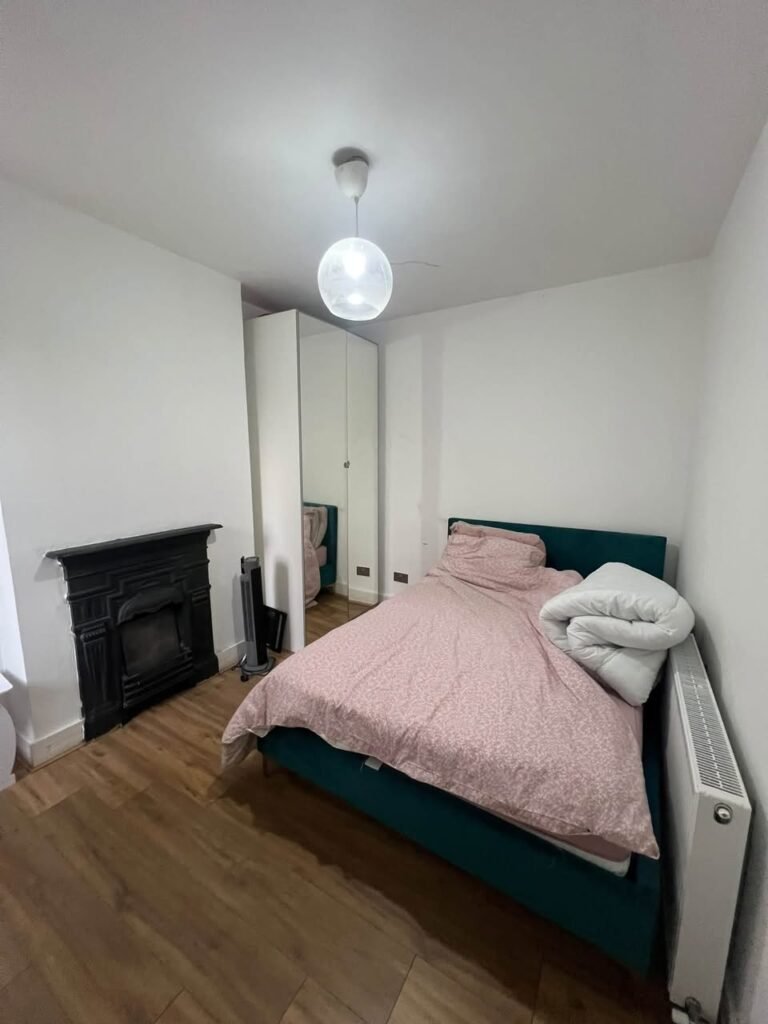
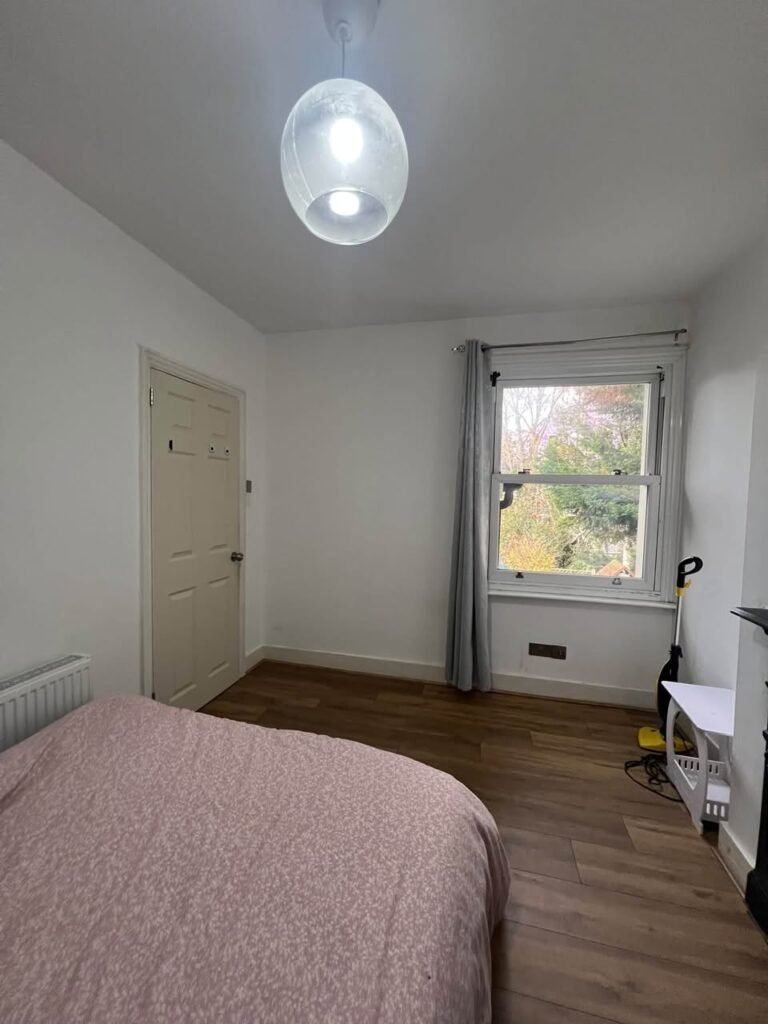
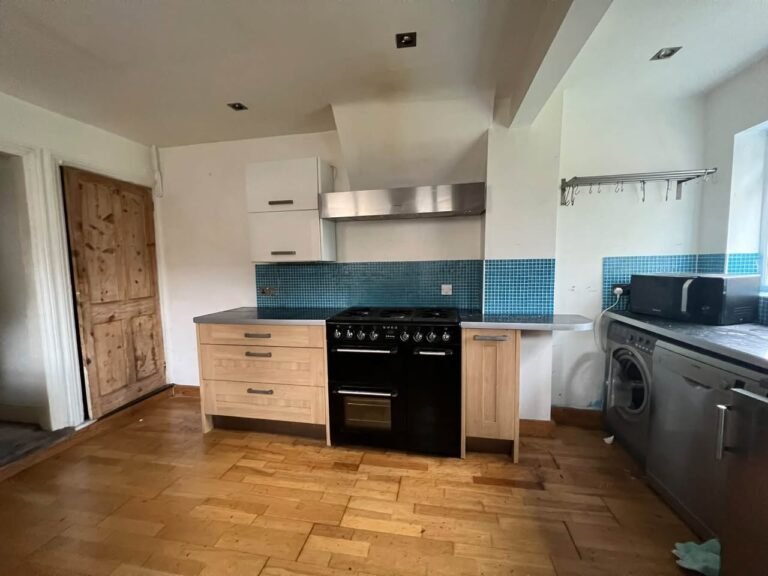
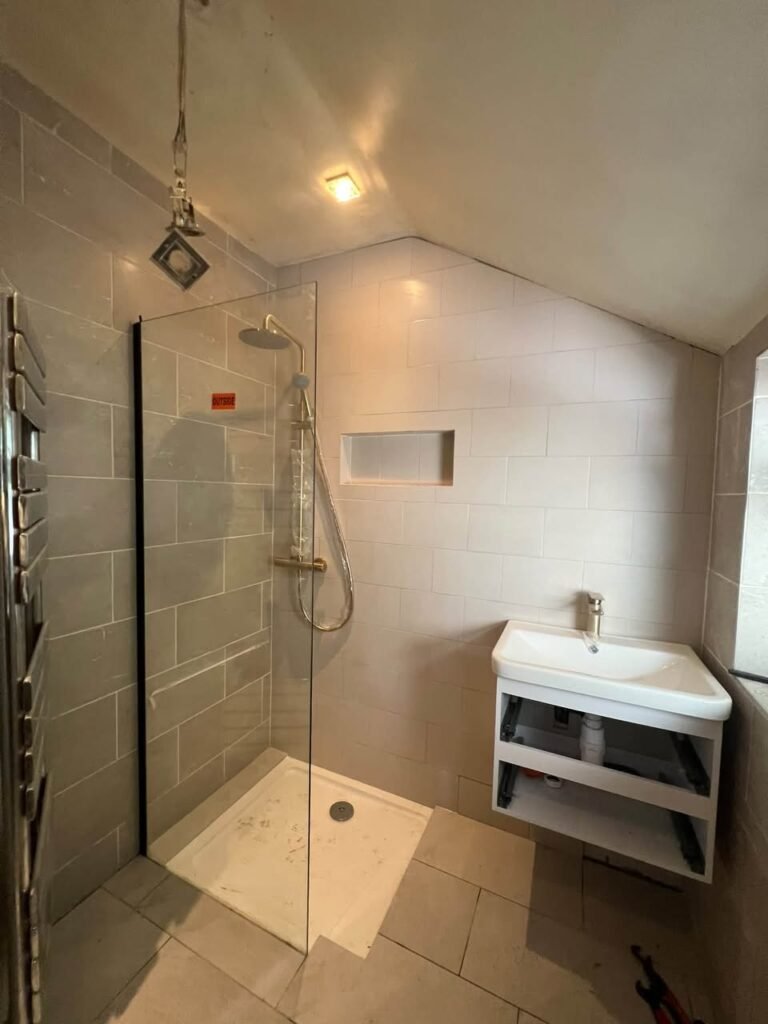


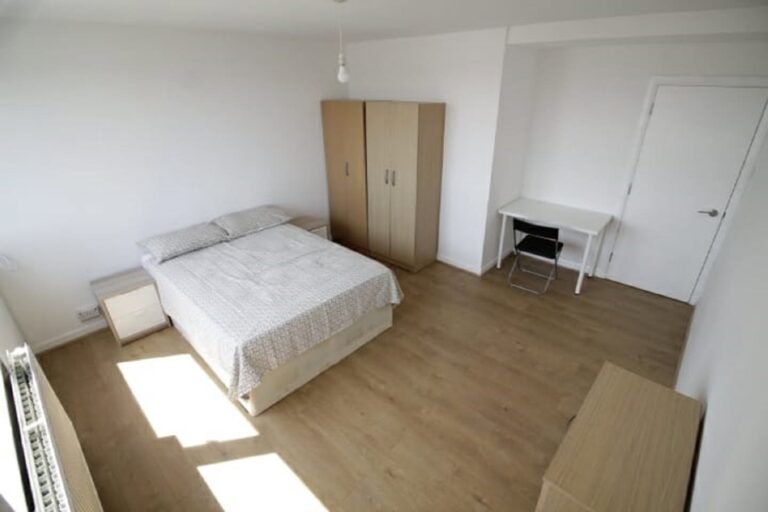
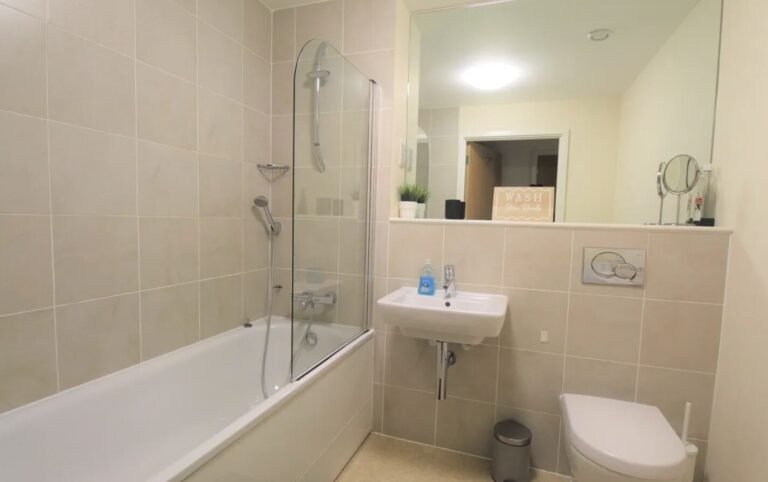

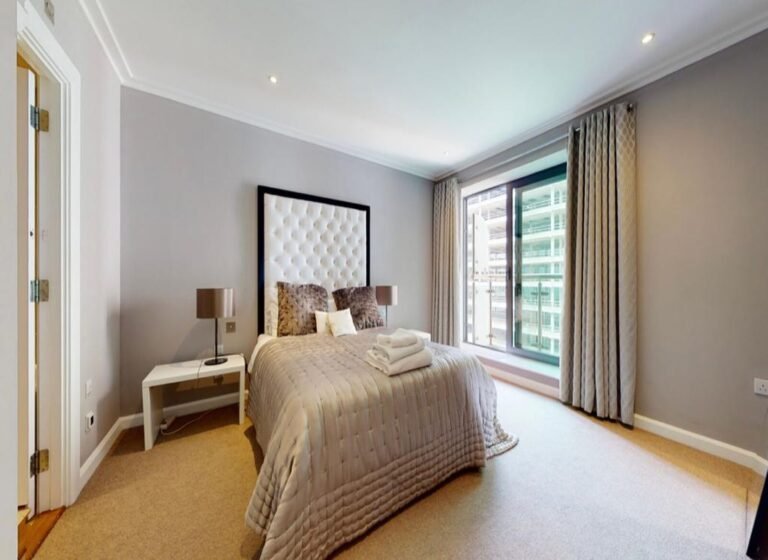


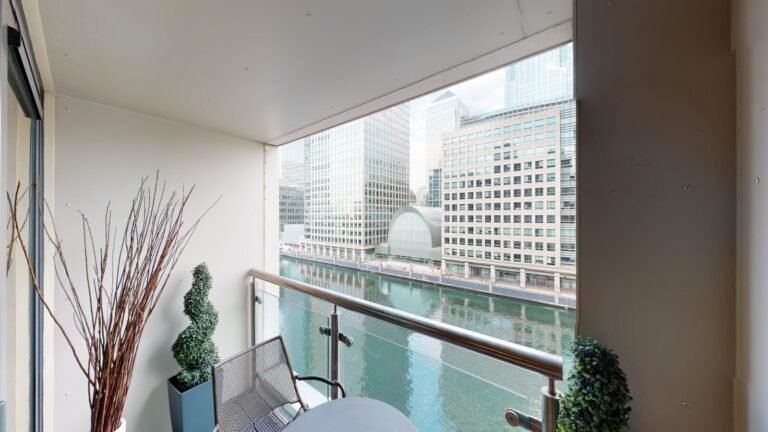
Ensuite room
Master Room & Ensuite Bath with Private Balcony – Canary Wharf | South Quay
London
- Beds: 4
- Baths: 2
+4 more at this address

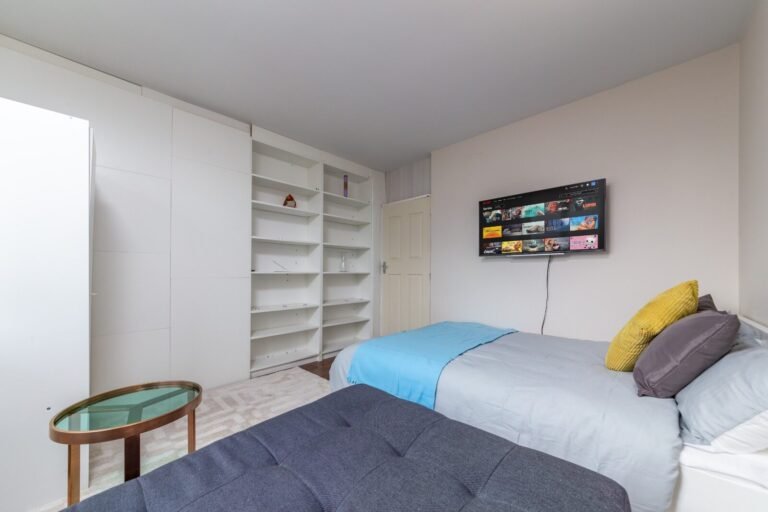
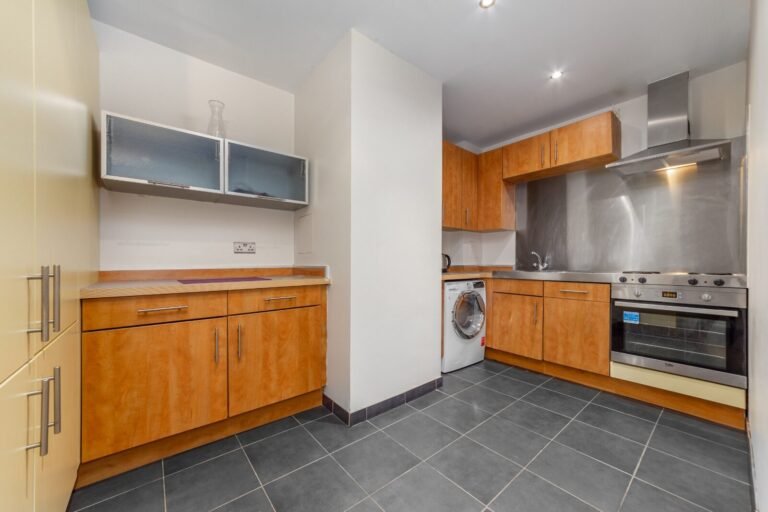
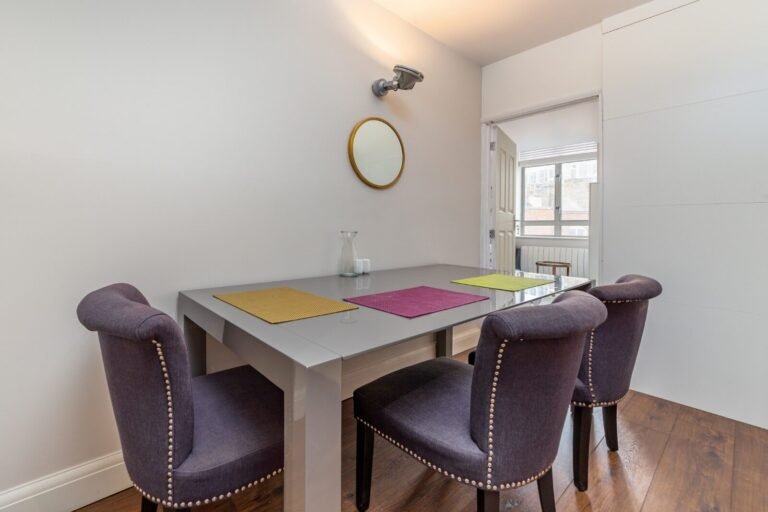
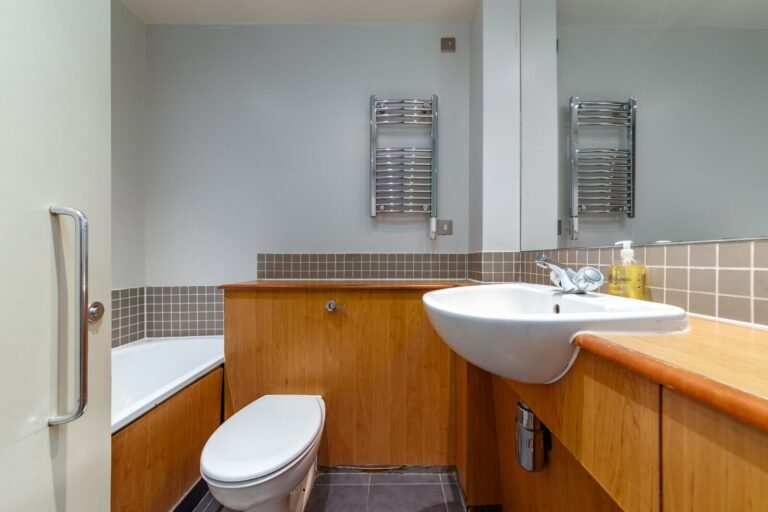

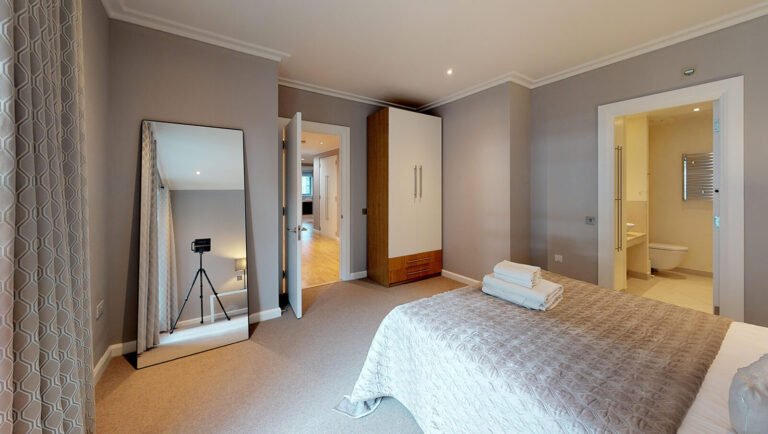
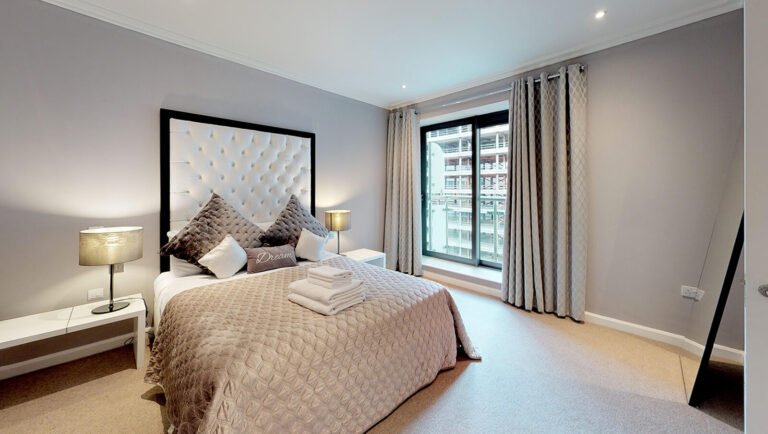
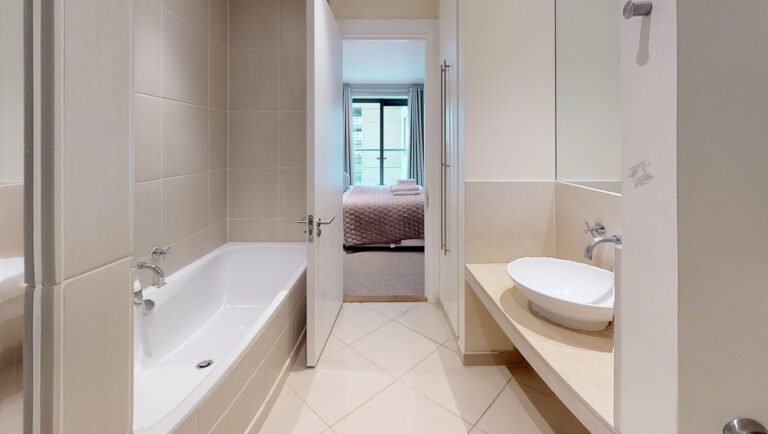

Ensuite room
Master Room & Ensuite Bath – Canary Wharf
London
- Beds: 4
- Baths: 2
+2 more at this address
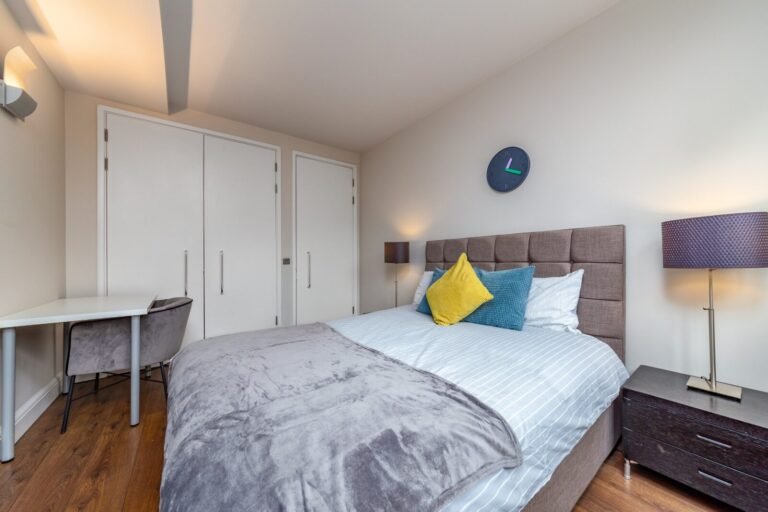

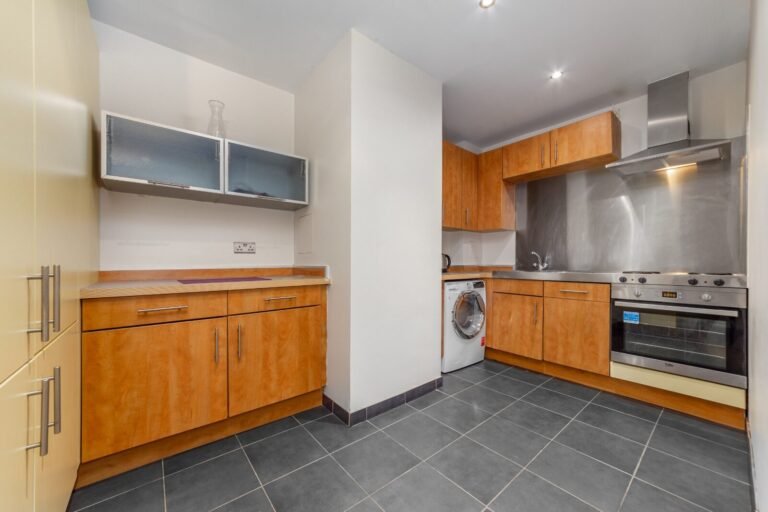





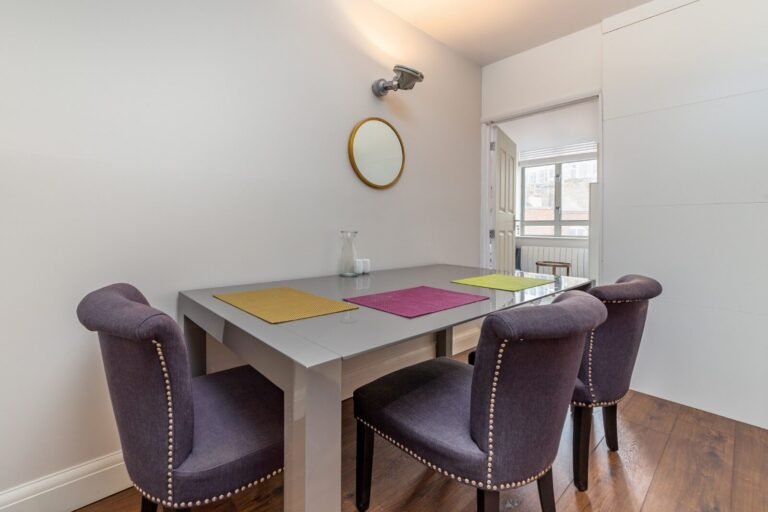

Ensuite room
Master Room & Ensuite Bath – Central London
London
- Beds: 4
- Baths: 2
+2 more at this address
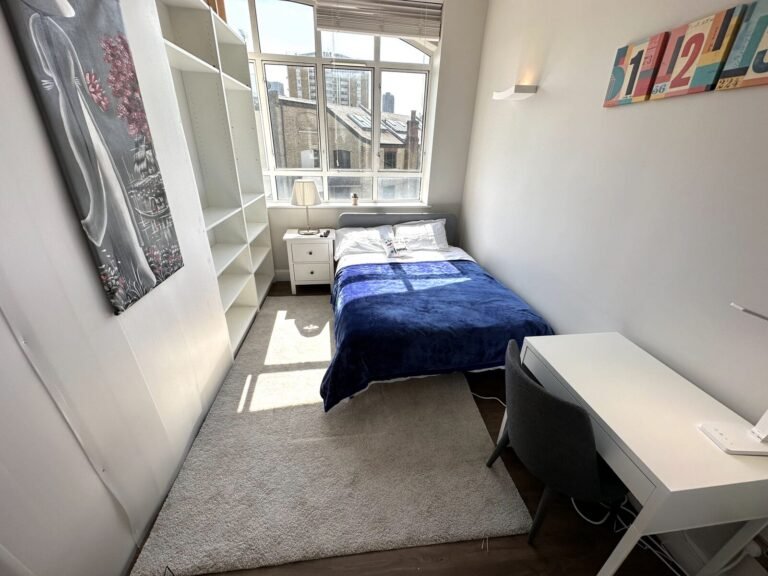

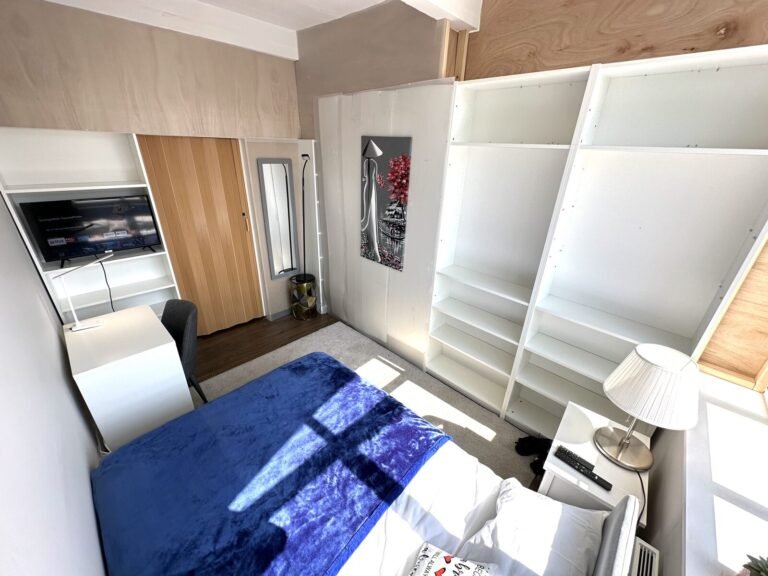


Private room
Flex Basic – Central London | Dingley Road
London
- Beds: 4
- Baths: 2
+2 more at this address
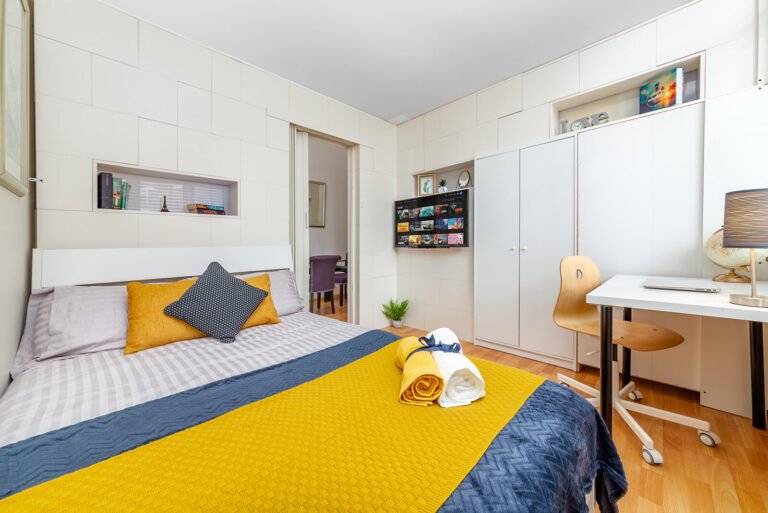
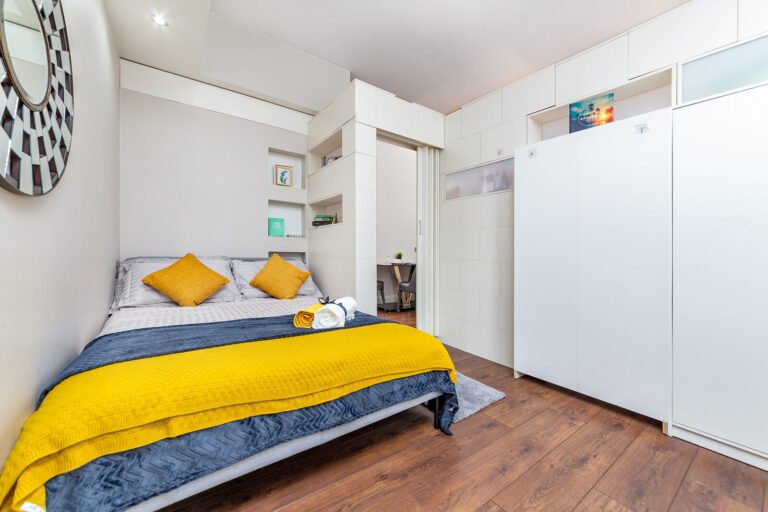


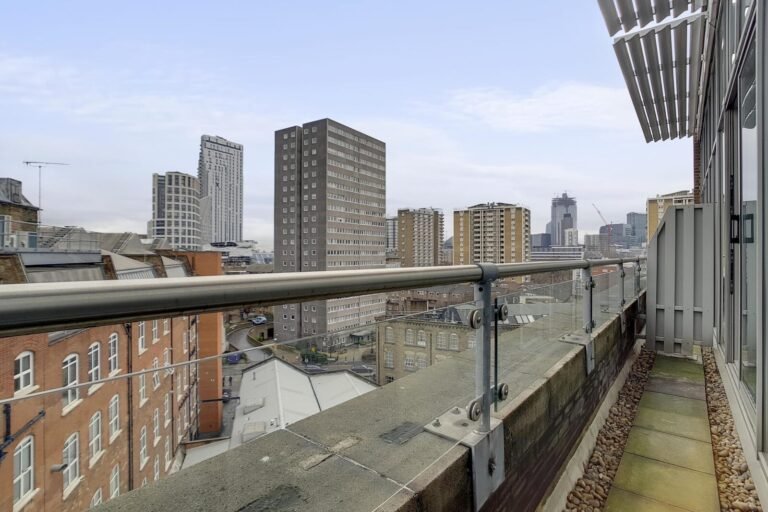



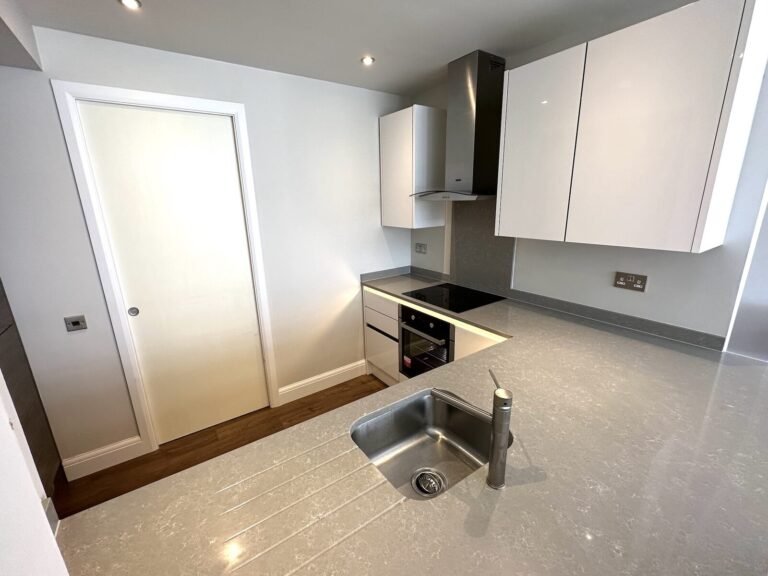

Ensuite room
Master Room & Ensuite Bath – Central London | Dingley Road
London
- Beds: 4
- Baths: 2
+2 more at this address



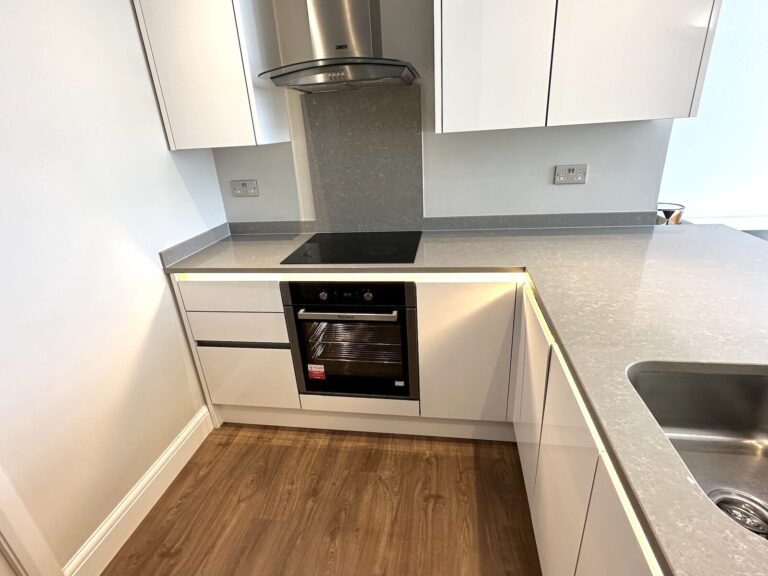

Private room
Deluxe Room – Central London | Dingley Road
London
- Beds: 4
- Baths: 2
+2 more at this address
Rent by room type in London
| Room type | Rooms live now | From | Typical |
|---|---|---|---|
| Private room | 12 | £800/month | £1,311/month |
| Ensuite room | 5 | £1,582/month | £1,712/month |
| Entire apartment | 2 | £1,300/month | £2,150/month |
| Entire house | 1 | £800/month | £800/month |
12 rooms at or below £1,400/month right now.
Live listings on Rentser today. Rooms priced by the week are shown as a monthly equivalent (weekly × 52 ÷ 12). Updated every hour.
Find a Room in London: 2026 Complete Search Guide
Looking to find a room in London? Whether you're an international student starting at UCL, Imperial, KCL, LSE, or one of London's 30+ universities, an EU/UK working professional relocating for a Square Mile finance or Shoreditch tech role, transitioning from family home to first independent living, or simply researching...
Why Find a Room in London
The choice between renting a room versus a solo studio dramatically reshapes London living. Solo studios in London run £1,700-£2,200/month in Zone 2 (Zone 1 even higher). Shared rooms run £700-£1,300/month — roughly half. For most first-time London renters, this 40-50% cost difference combined with Council Tax considerations is decisive.
Cost-sharing benefits beyond rent: - Utilities split between 3-4 housemates (£20-40/person vs £80-180 solo) - Council Tax split per resident (£25-50/person vs £100-180 solo for single resident) - TV License optional but often shared (£14/month per household) - Internet split (£10-20/person vs £35-60 solo) - Cooking + grocery sharing reduces food costs £100-200/month per person - Many London Victorian terraced houses come furnished
Community + transition support: First-time London renters often lack UK credit history, local references, and city knowledge. Shared housing provides built-in community — existing housemates can answer practical questions (TfL navigation, Council Tax registration, NHS GP registration, food + entertainment). For international students + EU/non-UK working professionals, this transition support is invaluable.
Trade-offs to acknowledge: - Less privacy than solo studio - Schedule coordination required - Roommate conflict possibility - UK guarantor requirement applies whether room or studio - Council Tax obligations still apply
When to choose room rental: - Budget under £1,800/month - First-time London renter wanting transition support - Open to community + shared cooking - Working professional balancing London cost with career trajectory - Student or recent graduate
When to choose studio instead: - Strong privacy preference + high income - Established UK resident with credit + references - Hosting frequent visitors important - Working from home concentration needs
For most first-time London renters, finding a room first builds UK credit history + financial reserves for eventual studio transition.
Employer hubs
Creative Industries
Key districtCreative IndustriesNearby areasBrixton · Stoke Newington · Camden TownSectorCreative Industries
Tourism + Hospitality
Key districtTourism + HospitalityNearby areasCamden Town · Shoreditch · TootingSectorTourism + Hospitality
Higher Education
Key districtHigher EducationNearby areasTooting · Walthamstow · HackneySectorHigher Education
Professional Services
Key districtProfessional ServicesNearby areasHackney · Peckham · BrixtonSectorProfessional Services
Best London Neighborhoods to Search
| Neighborhood | Room Rent (GBP) | Best for | Walk Score |
|---|---|---|---|
| Tooting | £850 | Zone 3 South London | 85/100 |
| Walthamstow | £900 | Zone 3 East London | 78/100 |
| Hackney | £950 | Zone 2 East London creative class | 90/100 |
| Peckham | £900 | Zone 2 South East London | 88/100 |
| Brixton | £1,000 | Zone 2 South London | 92/100 |
| Stoke Newington | £1,050 | Zone 2 North East London | — |
| Camden Town | £1,100 | Zone 2 North London | — |
| Shoreditch | £1,200 | Zone 1 East London | 95/100 |
The right London neighborhood for your room search depends on your employer/school Zone, budget, and tolerance for Zone 1 premium pricing. Here are eight Zone 2-3 areas where rooms are most commonly available.
Tooting (£700-£850, Zone 3)
Walk Score 85/100 • Transit Score 80/100. South-west London Northern Line. Heritage Victorian terraced houses. Best for budget-conscious searchers wanting affordable Zone 3 + cultural diversity + 30-35 min Tube to Bank/Liverpool Street.
Walthamstow (£750-£900, Zone 3)
Walk Score 78/100 • Transit Score 82/100. East London Victoria Line. Mix Victorian terraced + newer mid-rise. Best for searchers wanting direct Victoria Line + arts community + Walthamstow Wetlands.
Peckham (£800-£900, Zone 2)
Walk Score 88/100 • Transit Score 85/100. South-east London Overground + bus. Heritage Victorian terraced + newer mid-rise. Best for creative industry searchers + design + media + film professionals.
Hackney (£800-£950, Zone 2)
Walk Score 90/100 • Transit Score 88/100. East London Overground + Old Street tech corridor proximity. Victorian terraced + warehouse conversions. Best for Shoreditch tech corridor employers + creative industry searchers.
Stratford (£800-£900, Zone 2-3)
Walk Score 80/100 • Transit Score 95/100. East London — UK's busiest transport interchange. Modern mid-rise post-Olympic redevelopment. Best for searchers prioritizing transit connectivity to Canary Wharf + Central London + multiple Tube/Overground/DLR/Elizabeth lines.
Camden (£950-£1,100, Zone 2)
Walk Score 95/100 • Transit Score 95/100. North-west London Northern + Metropolitan. Victorian terraced + newer condo. Best for searchers wanting walkable nightlife + zero commute to Central London + lifestyle premium.
Brixton (£950-£1,150, Zone 2)
Walk Score 92/100 • Transit Score 90/100. South London Victoria Line + Overground. Mix older heritage homes + newer mid-rise. Best for cultural diversity + walking + 20-min Tube to Victoria + Central London.
Shoreditch (£1,200-£1,300, Zone 1)
Walk Score 95/100 • Transit Score 92/100. East-central London. Strong Silicon Roundabout + Square Mile finance proximity + Shoreditch creative scene. Victorian warehouse conversions + premium new builds. Best for established tech + creative + finance professionals + premium income searchers.
Where to Search for Rooms in London
London room search spans multiple channels. Smart searchers use 3-4 simultaneously:
Online Curated Platforms (Recommended)
- SpareRoom + Rightmove — UK rental aggregators with strong London inventory
- Zoopla — UK property portal with London listings
- Gumtree London — established UK classifieds, mixed quality
- Facebook Marketplace London — younger demographic listings
- OpenRent — direct landlord-tenant listings
University Housing Offices
- UCL Off-Campus Housing — open to non-students
- Imperial College London Housing
- King's College London Off-Campus
- LSE Off-Campus Housing
- QMUL Off-Campus
- SOAS Off-Campus Housing
- City, University of London Off-Campus
These offices verify landlord listings + roommate matching support.
Co-Living Building Operators (Direct)
- The Collective (Kings Cross, Old Oak) — purpose-built co-living
- Outsite (multiple London locations)
- Common Living (London expansion)
- NESTpick London
Search operators directly. Monthly memberships, turnkey arrangements.
London Estate Agent Network
UK has substantial estate agent network for room rentals. No tenant broker fees (Tenant Fees Act 2019 banned them). Major London letting agents: - Foxtons - Haart - Hunters - Knight Frank Lettings - Independent letting agents
Tech + Professional Networks
- London tech Slack workspaces (London Tech, London JS, etc.)
- Fintech London Slack (Revolut, Monzo, Wise alumni networks)
- Square Mile finance networks (CFA London, MBA alumni)
- Creative + media networks (London Designers, Film London)
- LinkedIn London housing groups
Cultural Community Networks
- South Asian London community networks (Brick Lane + Tooting + Wembley)
- Caribbean London networks (Brixton + Hackney + Walthamstow)
- EU/European London networks (Polish, Italian, French communities)
- East Asian London networks (Chinatown + Westminster)
- African London networks
Offline + In-Person
- Posting boards at universities, libraries
- Cultural community newspapers
- Word of mouth from existing London residents
- Walking through neighborhood + spotting "Room for Rent" signs
Browse room listings on Rentser and message landlords directly.
Best time to search: Spring (March-May) prime moving season. September-October sees academic year + finance professional waves. December-January thinner inventory but motivated landlords. Avoid late September if budget-constrained.
What to Look For in a Room
| Type | Range | Median | Notes |
|---|---|---|---|
| Room in shared (3-4 BR) | £850–£1,200 | £1,100 | Most common, utilities vary |
| Studio (solo alt.) | £1,572–£2,127 | £1,850 | Private, ~2x room cost |
| 1-bedroom | £1,870–£2,530 | £2,200 | Separate bedroom |
When viewing London rooms, evaluate beyond the room itself. Use this checklist:
Physical Room (5 items) - [ ] Adequate size (London rooms 60-130 sq ft typical — small by international standards) - [ ] Window functional + natural light source - [ ] Closet/storage adequate - [ ] Bed quality + mattress condition (if furnished) - [ ] Heating reliability (essential — UK winters reach 0°C, occasionally lower)
Shared Common Areas (4 items) - [ ] Kitchen functional + clean + gas hob (gas preferred for UK cooking culture) - [ ] Living room/common area for community - [ ] Bathroom condition + scheduling expectations - [ ] Laundry (combined washer-dryer common in newer; separate or laundromat in older)
Building + Neighborhood (5 items) - [ ] Building security (locked entry, intercom) - [ ] Mail handling procedures - [ ] Neighborhood safety walking at night - [ ] Tube station distance + Zone + monthly Travelcard cost - [ ] Grocery + pharmacy + GP/NHS access proximity
Housemates + Community (4 items) - [ ] Interview existing housemates separately - [ ] Discuss cleaning + chore expectations - [ ] Discuss quiet hours + guest policies - [ ] Confirm lease term alignment with your London plans
Lease + Cost (5 items) - [ ] Confirm 5-week deposit cap (Tenant Fees Act 2019) - [ ] Confirm no broker fees (Tenant Fees Act 2019 banned them) - [ ] Council Tax Band verification (significant ongoing cost ~£100-180/month per household) - [ ] Energy Performance Certificate (EPC) Band — Bands E-G have higher heating costs - [ ] Move-in date + Section 21 notice procedures (Renters Reform Act 2024 changed eviction rules)
Documentation Needed (3 items) - [ ] UK government ID + Right to Rent documents (passport + visa documentation) - [ ] UK guarantor or 6+ months upfront rent option - [ ] Employer letter + recent payslips
Red Flags + Scams to Avoid
London's competitive market + visa-dependent applicants attracts scammers. Recognize warning signs:
Listing Red Flags:
- Significantly below market rate — Zone 3 rooms below £600 likely scam or hidden problem
- Urgency pressure — "Decide today" — legitimate landlords give viewing time
- Wire transfer or cryptocurrency requests — never wire money or send crypto
- No in-person viewing possible — landlord "abroad" or "traveling" classic scam pattern
- No written lease (Assured Shorthold Tenancy) — UK requires written lease; verbal agreements rarely enforceable
- Cash-only requirements — cash for deposits risky; insist on bank transfer with receipt
UK-Specific Scam Patterns:
- Fake Zone misrepresentation — listings claim "Zone 2" but actually Zone 3 (verify on TfL map)
- Guarantor service scams — fraudulent guarantor companies offer cheap services then disappear with deposit
- EU/non-UK applicant exploitation — landlords overcharging international applicants
- Section 21 abuse during transition — pre-Renters Reform Act 2024 landlords may misuse evictions; post-2024 rules require valid reasons
Viewing Red Flags:
- Existing housemates seem unhappy — interview them privately
- Long-standing maintenance issues — water damage, mold, broken heating
- Building entry weak — broken intercom, unlocked exterior doors
- EPC Band E-G properties with high winter heating costs concealed
Lease Red Flags:
- Non-standard AST form — UK landlords use Assured Shorthold Tenancy standard
- Excessive deposit demands — Tenant Fees Act 2019: 5-week maximum
- Tenant fees — Tenant Fees Act 2019 banned tenant fees; if requested, illegal
- Renewal terms unclear — Renters Reform Act 2024 changed periodic tenancy rules
- Section 21 clause emphasis — abolished by Renters Reform Act 2024
Communication Red Flags:
- Landlord won't verify identity (passport + UK address proof)
- Landlord references unavailable
Where to Report:
- The Property Ombudsman — letting agent disputes
- Citizens Advice — tenant rights + guidance
- UK Government Tenant Fees Act enforcement — illegal fees
- Action Fraud — police-linked fraud reporting
How to Apply + Secure a Room in London
London's competitive market means application strategy matters, especially for UK-newcomers needing guarantor:
Step 1: Pre-Prepare Application Packet
Bring to first viewing: - UK passport or visa + Right to Rent documentation (legal requirement since 2014) - Employer letter confirming employment + salary - Last 2-3 payslips + UK bank statements - UK guarantor confirmation OR 6+ months upfront rent + bank proof - Credit check authorization (UK credit reference agencies: Equifax + Experian) - Previous landlord references (UK or international) - Filled-in AST application
Step 2: Move Quickly on Quality Listings
London's competitive market means quality listings close within 24-48 hours. If you've viewed + verified + want it, apply immediately.
Step 3: Guarantor or Upfront Strategy
If you lack UK guarantor: - Guarantor service (Housing Hand, UK Guarantor, etc.) for £400-800 fee - 6+ months upfront rent — alternative for international students/professionals - Co-signer arrangement with UK-resident friend/family - Employer-sponsored guarantee — some UK employers guarantee for relocating staff
Step 4: Verify Application Status + Move-In Logistics
After application acceptance: - Confirm written AST signed - Calculate upfront cost: first month + 5-week deposit (held in tenancy deposit scheme (TDP) by law) = ~2.2 months rent (post-Tenant Fees Act 2019) - Confirm Council Tax registration procedure - Confirm utility setup (British Gas, EDF Energy, etc.) + internet (Sky, BT, Virgin) - Confirm GP/NHS registration for healthcare - Confirm renter's contents insurance setup (£150-250/year)
All London room rental guides
Compare every London rental type — student, working-professional, shared, furnished, studio, and budget options.
LondonStudent HousingLondonRent a RoomLondonShared LivingLondonFurnished Rooms on RentLondonStudio on RentLondonStudent AccommodationLondonStudent RentalsLondonStudent LivingLondonRooms on RentLondonShared Rooms on RentLondonFind a Room on RentLondonStudio Apartment
About this guide: Updated quarterly using UK Tenant Fees Act 2019 + GBP/month · ONS UK Private Rental Statistics.
By the Rentser Editorial Team · Last updated June 2026 · For information only; consult a qualified attorney for legal advice.
Live · London
Studio guide
Self-contained studios — privacy, no roommates, budget comparison for London.
Quick links
- Renting in London: market guide
- People looking for a room in London
- Movers, cleaners and other services in London
More in London: Student Housing in London · Studio Apartments in London · Shared Living in London · Coliving in London
More London rooms for rent guides
Rent a Room in London: Everything You Need to Know Before Moving
Finding affordable accommodation in the UK’s capital can feel overwhelming, especially for newcomers. If you’re planning to rent a room in London, you’ll need to understand the city’s housing market, rental costs, and the best neighborhoods to suit your lifestyle. This guide will walk you through everything you need to know before moving, from budgeting tips to essential renter’s rights.
Table of Contents
Why Rent a Room in London?
London is one of the most exciting and diverse cities in the world, but it’s also one of the most expensive. Renting a whole flat is often out of budget for students, professionals, and expats. That’s why choosing to rent a room in London is a smart option.
- Affordability – Sharing accommodation cuts living costs.
- Flexibility – Many landlords offer short-term contracts.
- Community – Perfect for networking, making friends, and adjusting to city life.
Average Cost
Prices vary widely depending on location and amenities. On average:
- Central London (Zones 1–2): £900 – £1,500 per month
- East London: £700 – £1,000 per month
- North London: £750 – £1,200 per month
- South London: £600 – £900 per month
- West London: £800 – £1,200 per month
Pro Tip: Bills are sometimes included in rent. Always confirm what’s covered before signing.
Best Neighborhoods to Rent a Room in London1. Shoreditch (East London)
Trendy, full of art and nightlife, popular with young professionals.
2. Camden (North London)
Great for students, musicians, and creatives with affordable shared housing options.
3. Clapham (South London)
Perfect for professionals, with lively bars, parks, and quick commutes.
4. Kensington (West London)
Upscale and safe, but more expensive – ideal if you want luxury shared flats.
5. Stratford (East London)
Affordable, modern, and well-connected by public transport.
How to Find a Room in London- Online platforms: SpareRoom, Rightmove, Zoopla
- University housing boards (for students)
- Letting agents for professional support
Before moving in, landlords or agencies usually ask for:
- Passport or ID
- Proof of income or guarantor details
- Employment contract or student enrollment letter
- Previous landlord references
- Set your budget – Don’t spend more than 40% of your income on rent.
- Visit before signing – Check the property in person or request a video tour.
- Read the contract carefully – Look out for hidden fees.
- Check transport links – London’s Tube zones affect both cost and commute time.
- Look for bills-included deals – Helps avoid surprise expenses.
When you rent a room in London, you’ll likely share:
- Kitchen
- Bathroom
- Living room
Some rooms are en-suite, offering more privacy but at a higher price. Shared living often means cultural diversity and making lifelong connections.
Renter’s Rights in London- You must receive a written tenancy agreement.
- Your deposit should be placed in a government-backed deposit protection scheme.
- Landlords are required to ensure the property is safe and habitable.
- You have the right to at least 24 hours’ notice before landlord visits.
Pros:
- Lower costs compared to renting a whole flat
- Social opportunities
- Flexible contracts
Cons:
- Less privacy
- Shared responsibilities (cleaning, bills, etc.)
- Potentially noisy environments
If you’re planning to rent a room in London, preparation is key. From setting a realistic budget to choosing the right neighborhood, understanding the process will make your move smoother and stress-free. Whether you’re a student seeking affordable housing or a young professional looking for flexibility, London offers a wide range of room rental options to fit your lifestyle.
By following this guide, you’ll be ready to find the perfect room and start your journey in one of the world’s most dynamic cities.
Rent a Room in London: 2026 Working Professional Guide
Best London Neighborhoods to Rent a Room
| Neighborhood | Room Rent (GBP) | Best for | Walk Score |
|---|---|---|---|
| Tooting | £850 | Zone 3 South London | 85/100 |
| Walthamstow | £900 | Zone 3 East London | 78/100 |
| Hackney | £950 | Zone 2 East London creative class | 90/100 |
| Peckham | £900 | Zone 2 South East London | 88/100 |
| Brixton | £1,000 | Zone 2 South London | 92/100 |
| Stoke Newington | £1,050 | Zone 2 North East London | — |
| Camden Town | £1,100 | Zone 2 North London | — |
| Shoreditch | £1,200 | Zone 1 East London | 95/100 |
The right London neighborhood for renting a room depends on your employer Zone, your tolerance for Tube commute time, and your lifestyle priorities. Here are eight Zone 2-3 areas where working professionals rent rooms most often, with average price ranges and the trade-offs.
Tooting (£700-£850)
Walk Score 85/100 • Transit Score 80/100. South-west London Zone 3, anchored by the Northern Line. Older 1900s-1950s terraced houses subdivided into rooms dominate. Tooting Bec Common + Tooting Market provide green space + South Asian food scene. 30-35 minute commute to Bank/Liverpool Street via Northern Line. Best for budget-conscious working professionals at Square Mile finance firms, NHS workers (proximity to St George's Hospital), and young professional couples saving toward mortgage deposits.
Walthamstow (£750-£900)
Walk Score 78/100 • Transit Score 82/100. East London Zone 3, anchored by the Victoria Line. Older Victorian terraced houses + newer mid-rise developments around Walthamstow Wetlands. Direct Victoria Line provides 25-30 minute commute to Oxford Circus + Tottenham Court Road employer destinations. Best for working professionals at central London advertising, media, and tech firms. Strong young professional + young family community character.
Peckham (£800-£900)
Walk Score 88/100 • Transit Score 85/100. South-east London Zone 2, anchored by Peckham Rye Overground + Bus. Mix of Victorian terraced houses converted to shared rentals + newer mid-rise developments. Strong arts + nightlife scene with Peckham Rye Park + Peckham Levels creative spaces. Best for working professionals in creative industries (film, advertising, music, fashion), graphic designers, and young professional shared living. Steady community of South London-based finance + tech workers.
Hackney (£800-£950)
Walk Score 90/100 • Transit Score 88/100. East London Zone 2, anchored by Hackney Central Overground + multiple bus routes. Strong working professional + creative professional density. Victorian terraced houses + warehouse conversions. Best for working professionals at Shoreditch tech firms (Old Street + Silicon Roundabout), Hackney's tech corridor employers, and creative industry workers (Hackney Wick + Stratford studios).
Stratford (£800-£900)
Walk Score 80/100 • Transit Score 95/100. East London Zone 2-3 anchored by Stratford Station (Jubilee + Central + DLR + Overground + Elizabeth line — UK's busiest transport interchange). Modern mid-rise developments dominate post-Olympic redevelopment. Best for working professionals at Canary Wharf + central London + Olympic Park employers prioritizing transit connectivity. Westfield Stratford retail + Olympic Park amenities.
Camden (£950-£1,100)
Walk Score 95/100 • Transit Score 95/100. North-west London Zone 2, anchored by Camden Town + Northern + Metropolitan Lines. Victorian terraced houses + newer condo developments. Iconic Camden Market + Camden Lock + Regent's Canal nightlife scene. Best for working professionals wanting walkable + nightlife-dense + zero commute to central London. Particularly popular with creative professionals + media workers + young finance professionals with stable funding.
Brixton (£950-£1,150)
Walk Score 92/100 • Transit Score 90/100. South London Zone 2 anchored by Victoria Line + Overground + bus. Strong Afro-Caribbean cultural heritage + Brixton Market + Brixton Academy music venue. Mix of older heritage homes converted to shared rentals + newer mid-rise developments around Brixton Hill. Best for working professionals wanting cultural diversity + walking nightlife + 20-minute Tube commute to Victoria + central employer destinations.
Shoreditch (£1,200-£1,300)
Walk Score 95/100 • Transit Score 92/100. East-central London Zone 1, anchored by Old Street + Liverpool Street + Bethnal Green stations. Premium pricing reflects walking proximity to Silicon Roundabout tech employers, Square Mile finance, and Shoreditch's restaurant + nightlife + fashion district. Mix of Victorian warehouse conversions + premium new builds. Best for tech professionals at Revolut/Monzo/Wise/DeepMind, fintech founders + graduates, and lifestyle-oriented working professionals with senior compensation.
Rent Prices + Lease Terms
London room rental prices vary by Zone + walkability by 70%+ (£700 in Tooting vs. £1,300 in Shoreditch), reflecting commute time to central employer destinations and lifestyle amenity density. Here are 2026 baseline private-room rents and typical lease terms:
UK lease term norms:
- Assured Shorthold Tenancy (AST) — standard 12-month fixed-term lease; can convert to periodic (month-to-month) after fixed term
- Renters Reform Act 2024 — abolished Section 21 "no-fault" evictions. Landlords now need valid reasons (rent arrears, antisocial behavior, landlord moving in, selling). Strong tenant protections
- Tenant Fees Act 2019 — no broker fees passed to tenants. Landlord pays realtor commission
- 5-week deposit cap (Tenant Fees Act 2019) — significantly less than US Boston (3-4 months upfront) or BC ($1,500-2,000)
- UK guarantor requirement — most landlords require UK-based guarantor (homeowner earning 3x annual rent) OR 6+ months rent upfront for non-UK applicants
- Council Tax — separate from rent, ~£100-180/month per household depending on Band. Students exempt; working professionals not
- TV License — separate from rent, £159/year if any device receives BBC live broadcasts
- Renter's contents insurance — recommended (£150-250/year for £20K coverage)
- Utility bills — gas + electric + water + broadband typically tenant-paid in modern houses; some older buildings include utilities
Average Costs + Hidden Fees
| Type | Range | Median | Notes |
|---|---|---|---|
| Room in shared (3-4 BR) | £850–£1,200 | £1,100 | Utilities + WiFi typical |
| Studio (vs room) | £1,572–£2,127 | £1,850 | Solo, ~2x room cost |
| 1-bedroom | £1,870–£2,530 | £2,200 | Utilities extra |
Beyond the room rental price, London working professionals should budget for these additional expenses:
Working professional bottom line: Plan for room rental + £550-800/month additional living costs. Total monthly outlay £1,300-£1,800 for Zone 3 affordable neighborhoods, £1,800-£2,400 for Zone 2 premium neighborhoods.
UK tax considerations: UK has graduated income tax — Personal Allowance £12,570/year then 20% basic rate. National Insurance contributions (NICs) ~10% on earnings. Pension auto-enrollment ~5%. Plan for tax + NI withholding of ~30-35% of professional income.
London unique cost: Council Tax. Often-overlooked monthly expense ~£100-180/month per household. Students exempt; working professionals not. Verify Council Tax Band before signing — Band C-E most common in working professional shared houses.
London cost of living vs. other UK cities: London room rentals are 60% more expensive than Manchester, 50% more expensive than Birmingham, 70% more expensive than Liverpool, and comparable to Edinburgh + Bristol.
Renting as a Working Professional vs Student
Working professional room rental in London differs significantly from student rental — different lease norms, different landlord expectations, different application materials.
Application materials. Working professionals typically need: - Employer letter confirming employment + salary (most landlords request) - Right to Rent check (legal requirement post-2014) — passport + visa documentation - Credit check authorization (Equifax/Experian/TransUnion UK) - Previous landlord references (last 2 years preferred) - UK guarantor OR 6+ months rent upfront for non-UK applicants - Last 2-3 payslips + bank statements
Students typically have university accommodation guarantors and different documentation patterns.
Lease length expectations. Working professionals usually sign 12-month Assured Shorthold Tenancy (AST). Students often sign 9-month academic-year contracts. Working professionals also have more flexibility for periodic (month-to-month) post-fixed-term.
Amenity expectations. Working professionals typically prefer: - Private bathroom (significantly preferred) - High-speed broadband included - Modern kitchen (gas hob preferred for cooking) - Quiet building (working from home common) - Building amenities (gym, rooftop, concierge) in premium developments
Students often prioritize cost over amenity.
Roommate dynamics. Working professional shared housing typically involves 3-4 housemates with separate professional schedules. Less common to share with academic-year students.
Building selection. Working professionals more often choose: - Newer condo developments (Stratford, Canary Wharf, Wembley) - Buildings with property management vs. individual landlord - Buildings with concierge in premium Zone 2 locations
Heritage Victorian terraced houses converted to multi-room shares are popular in Tooting, Walthamstow, Peckham, and Brixton — affordable + characterful.
Move-in timing flexibility. Working professionals can move any month due to London's continuous turnover. Students primarily move September.
UK guarantor strategy. Working professionals from outside UK often pay 6+ months rent upfront OR use guarantor services (Housing Hand, UK Guarantor) for ~£500-1,000 fee.
How to Find a Room to Rent in London
The London working professional room rental search has unique challenges: UK guarantor requirements for non-UK applicants, Zone-based pricing complexity, Council Tax obligations, and Renters Reform Act 2024 changing landlord-tenant dynamics.
Step 1: Define your budget against actual London Zone baselines. A finance professional targeting Camden (Zone 2) at £1,000 GBP/month plus utilities + Council Tax (£130) + Travelcard (£174) faces a different reality than a Tooting (Zone 3) tenant at £750 GBP/month. Map Zone to employer commute time to find optimal balance.
Step 2: Browse London room listings on Rentser. Filter by price and room type. private room.
Step 3: Prepare UK-specific application materials. Right to Rent documents (passport + visa) + employer letter + 2-3 payslips + UK bank statements + UK guarantor OR 6+ months upfront. Faster decision turnaround with complete package.
Step 4: Verify UK-specific lease terms before signing. Confirm Tenant Fees Act 2019 compliance (no broker fees, 5-week deposit cap). Confirm Renters Reform Act 2024 compliance (no Section 21 evictions, periodic tenancy options). Confirm Council Tax Band + utility-inclusion status + EPC energy rating (Bands E-G have higher heating costs in winter).
Rooms on Rent in London: 2026 Filter Guide
Searching for rooms on rent in London? Whether you're a student, young professional, postgrad, or relocating to Greater London, this guide is a discovery router — not a single-category guide. We help you filter London's vast room rental market by your specific needs: budget tier, transport zone, lease term, lifestyle...
Filter 1: Budget Tier
London room rentals fall into 4 budget tiers:
Quick decision shortcut:
- Saving aggressively → Tier 1 (Zone 4-5, commute trade-off)
- Standard student/young pro → Tier 2 (best value, Zone 2-3)
- Working professional with savings → Tier 3 (Zone 1-2 inner)
- Premium downtown experience → Tier 4 (Zone 1 prime)
Employer hubs
Filter 2: Transport Zone
London's transport zones define commute + accessibility:
Zone 1 (Central):
- Bloomsbury, Marylebone, Mayfair, Kensington, Westminster
- Premium pricing + walking-distance Central London
- Best for: UCL/KCL students + premium professionals
Zone 2 (Inner):
- Camden, Islington, Brixton, Hackney, Whitechapel, Stratford, Lambeth
- Mid-Premium pricing + 10-20 min Central
- Best for: Most students + young professionals
- Sweet spot for accessibility
Zone 3 (Mid-Outer):
- Wood Green, Tooting, Catford, East Ham, Acton
- Mid-Market pricing + 20-30 min Central
- Best for: Budget-conscious + working professionals
- Standard inventory
Zone 4-5 (Outer):
- Croydon, Wimbledon outer, Walthamstow, Lewisham, Romford
- Budget pricing + 30-50 min Central
- Best for: Budget-extreme + suburban-preferring + family-oriented
- Long commute trade-off
TfL travelcard cost:
- Zone 1-2 monthly: £85 student / £180 adult
- Zone 1-3 monthly: £100 student / £210 adult
- Zone 1-4 monthly: £125 student / £255 adult
- Zone 1-5 monthly: £150 student / £305 adult
Filter 3: Lease Term
London offers 4 lease term options:
AST 12-Month (most common):
- Standard 12-month Assured Shorthold Tenancy
- Most common London rental term
- Best for: All London renters seeking stability
- Drawback: Locked-in rate
Academic AST (9-month, Sept-June):
- Available at UCL/Imperial/KCL areas + university PBSAs
- Slight premium over 12-month
- Best for: Undergraduate students
- Drawback: Need summer plan (return home or sublet)
6-Month AST:
- Available at private market + some professional accommodation
- ~10-15% premium over 12-month
- Best for: Short-term contracts, professional relocations, transitional
- Drawback: Limited inventory + premium
Rolling Periodic Tenancy:
- After initial AST expires
- 30-60 day notice for termination
- Best for: Transitional periods, decision-making
- Drawback: Landlord can also terminate (Section 21)
Important Tenant Fees Act 2019:
- NO admin fees (illegal)
- 5-week rent deposit cap under £50,000 annual rent
- 6-week deposit cap above £50,000
Council Tax: Full-time students exempt; certificate from university.
Filter 4: Lifestyle Match
London room rentals match different lifestyles:
Quiet + Focused:
- Crouch End, Tooting outer, Wandsworth, Wimbledon
- Mature working professionals + graduate students
- Library culture + cafes + parks + Victorian character
Active + Social:
- Camden, Shoreditch, Brixton, Tooting Broadway
- Young professionals + students + 20-30s creatives
- Nightlife + bars + comedy clubs + music venues
Creative + Bohemian:
- Brick Lane, Shoreditch, Camden, Stoke Newington, Crouch End
- Artists + creatives + tech workers + designers
- Indie cafes + galleries + warehouses + street art
Family + Diverse:
- Tooting, Walthamstow, Bromley, Croydon
- Working professionals + multicultural families
- Diverse markets + community events + family-oriented
Premium + Cosmopolitan:
- Kensington, Marylebone, Notting Hill, Bayswater, Earls Court
- High-earners + premium downtown professionals
- Upscale dining + cultural attractions + premium amenities
Student-Focused:
- Bloomsbury (UCL), South Kensington (Imperial), Strand (KCL), Aldwych (LSE)
- Undergraduate + graduate students
- Student amenities + Tube connections + academic resources
Filter 5: Room Type
London room rental options by room configuration:
Private Room (most common):
- £750-£1,400/month
- Personal bedroom + shared kitchen/bath
- Best for: All renters seeking privacy
Master Bedroom (premium):
- £1,000-£1,650/month
- Often en-suite bathroom + shared kitchen
- Best for: Premium renters + private bath priority
Shared Bedroom (budget):
- £450-£650/month
- Multi-occupant bunked or twin beds + shared bath
- Best for: Budget-extreme renters + temporary stays
Studio (independent):
- £1,000-£2,000/month
- Self-contained living space
- Best for: Working professionals + premium-budget
- See London Studio Apartments
Furnished Room:
- £100-£200 premium over unfurnished
- Bed, desk, dresser, sometimes more included
- Best for: International students + short-term + new arrivals
- See London Furnished Rooms
Co-living Pods/HMOs:
- £600-£900/month + utilities
- Modern co-living arrangements + shared amenities
- Best for: Co-living lifestyle + community-focused
Sharing arrangements:
- 2 housemates + 1 bath: Premium
- 3 housemates + 1 bath: Standard
- 4-5 housemates + 1 bath: Budget
- See London Shared Rooms for shared-specific guide
Best London Neighborhoods by Filter Combination
Top neighborhood matches by common filter combinations:
Budget + Student + Outer Zone:
- Stratford (Zone 3, £700-£900 private room) — Olympic Park + Westfield + emerging
- East Ham (Zone 4, £600-£800) — South Asian community + budget
- Walthamstow (Zone 3, £700-£900) — Victoria Line + emerging gentrification
Mid-Market + Working Pro + Inner Zone:
- Camden (Zone 2, £900-£1,200) — premium nightlife + character
- Brixton (Zone 2, £800-£1,100) — diverse + nightlife + emerging
- Shoreditch (Zone 2, £900-£1,200) — creative + tech corridor
Mid-Market + Creative + Hipster Zone:
- Hackney (Zone 2, £900-£1,200) — creative + bohemian
- Stoke Newington (Zone 2, £900-£1,200) — bohemian + family-friendly + cafes
- Brick Lane (Zone 2, £900-£1,200) — multicultural + creative
Premium + Working Pro + Central:
- Kensington (Zone 1, £1,400-£1,650) — luxury + premium + Imperial walking-distance
- Marylebone (Zone 1, £1,400-£1,650) — quiet + premium + downtown
- Notting Hill (Zone 1-2, £1,300-£1,650) — Caribbean + bohemian + premium
Budget + Multi-cultural Communities:
- East Ham (Zone 4, £600-£800) — South Asian
- Whitechapel (Zone 2, £750-£950) — Bangladeshi + Brick Lane proximity
- Brixton (Zone 2, £800-£1,000) — Caribbean + emerging
Frequently asked questions
How does London's Zones system affect roommate search?
London is divided into 9 Travel Zones radiating from central Zone 1. Monthly Travelcard pricing increases with each zone (Zone 1-2: £174, Zone 1-3: £204, Zone 1-4: £250). Most roommate seekers compromise on Zone 2-3 - affordable rents + 30-40 minute Underground commute to central London.
Do I need a UK guarantor as a roommate?
For traditional landlord leases, typically yes - UK landlords usually require a UK-based guarantor (homeowner earning 3x annual rent) OR 6+ months rent upfront.
When should I start a London roommate search?
August-September drives peak demand around UK university semester starts (Imperial, UCL, LSE, King's, SOAS). June-July offers value windows before the September peak. January (post-holiday) has less competition.
What protections does the Renters Reform Act 2024 give me?
The Renters Reform Act 2024 abolished Section 21 'no-fault' evictions - landlords now need valid reasons to evict (rent arrears, antisocial behavior, landlord moving in, selling). It also introduced periodic tenancies (no fixed-term lock-in) and bidding war bans. As a roommate, you have much stronger eviction protections than pre-2024.
Which London neighborhoods are best for affordable shared rooms?
Tooting (£700-850), Walthamstow (£750-900), Peckham (£800-900), Hackney (£800-950), Stratford (£800-900) offer the consistent value tier. All have direct Underground or Overground access to central London within 30 minutes.
What should I budget for a rooms in London?
Per ONS UK Private Rental Statistics Q1 2026 + Rightmove London Q1 2026, expect roughly £850–£1,200 GBP/month. Always confirm what utilities and fees are included before committing.
How much does it cost to rent a room in London as a working professional?
Per ONS UK Private Rental Statistics Q1 2026 + Rightmove London Q1 2026, room rents range £850–£1,200 GBP/month depending on neighborhood and commute. Median is £1,100. Renting a room runs roughly half the cost of a £1,850 studio, freeing budget for London's higher cost of living.
Can I rent a room in London year-round, or only on a lease cycle?
London has continuous year-round room rental turnover — you can move most months with planning.
How do I get started with rooms on rent in London?
Browse live London listings on Rentser, message landlords directly, and confirm all terms before committing.